
Are You Ignoring These Silent Signs of Heart Disease?
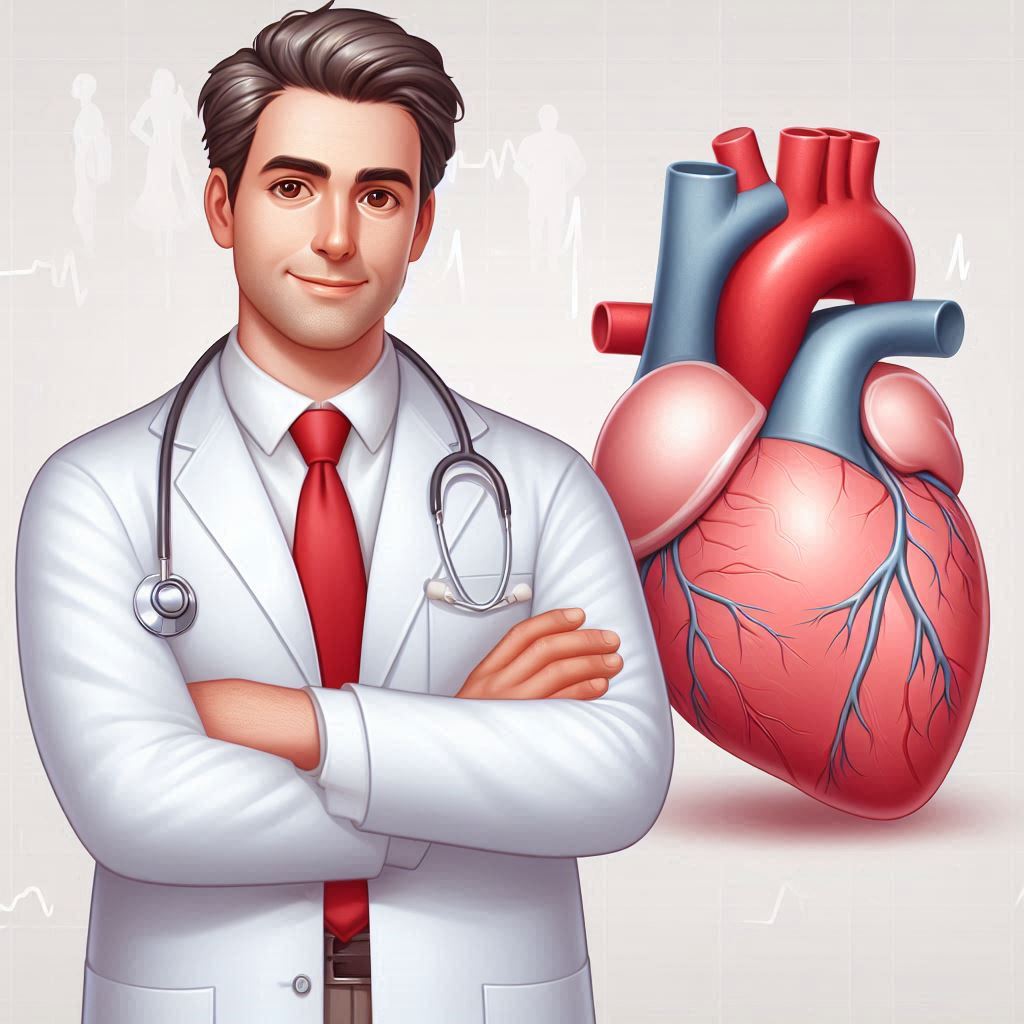 Cardiologist
Focuses on heart health, blood pressure, and circulation-related concerns.
Cardiologist
Focuses on heart health, blood pressure, and circulation-related concerns.
Heart disease remains one of the leading causes of death in the world, yet many individuals remain unaware of the subtle warning signs that can indicate a problem. Understanding these signs is crucial for early intervention and effective management. Let’s dive into the often-overlooked indicators of heart disease that you should be vigilant about.
The Subtle Signs of Heart Disease
Unusual Fatigue
Feeling unusually tired? It might not just be a busy week or stress. Fatigue can be a significant early warning sign for heart disease, especially if it’s not relieved by rest. Other signs related to fatigue may include:
- Difficulty completing daily activities
- Feeling exhausted after minimal exertion
Shortness of Breath
Shortness of breath during regular activities or even at rest can be a warning sign of heart issues. Here’s what to look for:
- Sudden onset of breathlessness without explanation
- Increased shortness of breath during exercise
Chest Discomfort
While chest pain is often associated with heart attacks, discomfort can manifest in various forms, including:
- Pressure, squeezing, or fullness in the chest
- Pain that radiates to the arms, neck, or back
Swelling in Legs or Feet
Swelling, or edema, in your legs or feet can indicate fluid retention caused by heart failure. Pay attention to:
- Persistent swelling that doesn’t go away
- Pitting edema, where pressing on the swollen area leaves an indentation
Changes in Sleep Patterns
Have you noticed changes in your sleep? Sleep apnea, a condition often linked to heart disease, can manifest in the following ways:
- Loud snoring followed by periods of silence
- Waking up feeling unrefreshed despite a full night’s sleep
Frequent Heartburn or Indigestion
Sometimes, heart disease symptoms can mimic digestive issues. If you frequently experience:
- Heartburn that worsens with exercise or stress
- Digestive discomfort that doesn’t respond to traditional medications
Why Awareness Matters
Being aware of these signs can lead to earlier diagnosis and better outcomes. Here are some key points to remember:
- Regular Check-ups: Schedule regular cardiovascular screenings, especially if you have risk factors like family history, high blood pressure, or diabetes.
- Know Your Numbers: Keep track of your blood pressure, cholesterol levels, and other important health metrics.
- Lifestyle Changes: Incorporate heart-healthy habits such as a balanced diet, regular exercise, and stress management.
- Stay Educated: Read up on heart health and stay informed about the latest research and guidelines.
For more information on heart disease prevention and management, you can visit trusted sources such as:
Take Action Today
If you notice any of these symptoms, consider consulting with a healthcare professional. Early intervention is key. Remember, your heart health is a priority, and understanding the signs can help you take charge of your well-being.
Make it a habit to discuss any changes in your health during check-ups and don’t hesitate to seek advice if something feels off. Heart disease can often be managed effectively when caught early, so stay informed and proactive!
Lastly, as we approach World Heart Day on September 29, let’s use this opportunity to focus on heart health and awareness. Make a commitment to yourself and your loved ones to prioritize cardiovascular wellness.
More articles for you
 Is Your Heart Taking a Silent Hit? Discover the Hidden Risks
Heart disease remains one of the leading causes of death worldwide, and many people are unaware of the…
Is Your Heart Taking a Silent Hit? Discover the Hidden Risks
Heart disease remains one of the leading causes of death worldwide, and many people are unaware of the…
 Is Your Heart Really Healthy? The Surprising Truth Revealed
Heart health is more than just a number on a report; it’s about understanding your body, recognizing the…
Is Your Heart Really Healthy? The Surprising Truth Revealed
Heart health is more than just a number on a report; it’s about understanding your body, recognizing the…
 Sit ups
: Exercise Guide Overview Sit ups are a slow, controlled exercise focusing primarily on strengthening the abdominal…
Sit ups
Sit ups: Exercise Guide Overview Sit ups are a slow, controlled exercise focusing primarily on strengthening the abdominal…
 Alternating sit ups
: Exercise Guide Overview Alternating sit ups are a slow, controlled movement primarily targeting the abdominal…
Alternating sit ups
Alternating sit ups: Exercise Guide Overview Alternating sit ups are a slow, controlled movement primarily targeting the abdominal…
 Crunches
: Exercise Guide Overview Crunches are a slow, controlled exercise designed to strengthen the abdominal muscles. This movement…
Crunches
Crunches: Exercise Guide Overview Crunches are a slow, controlled exercise designed to strengthen the abdominal muscles. This movement…