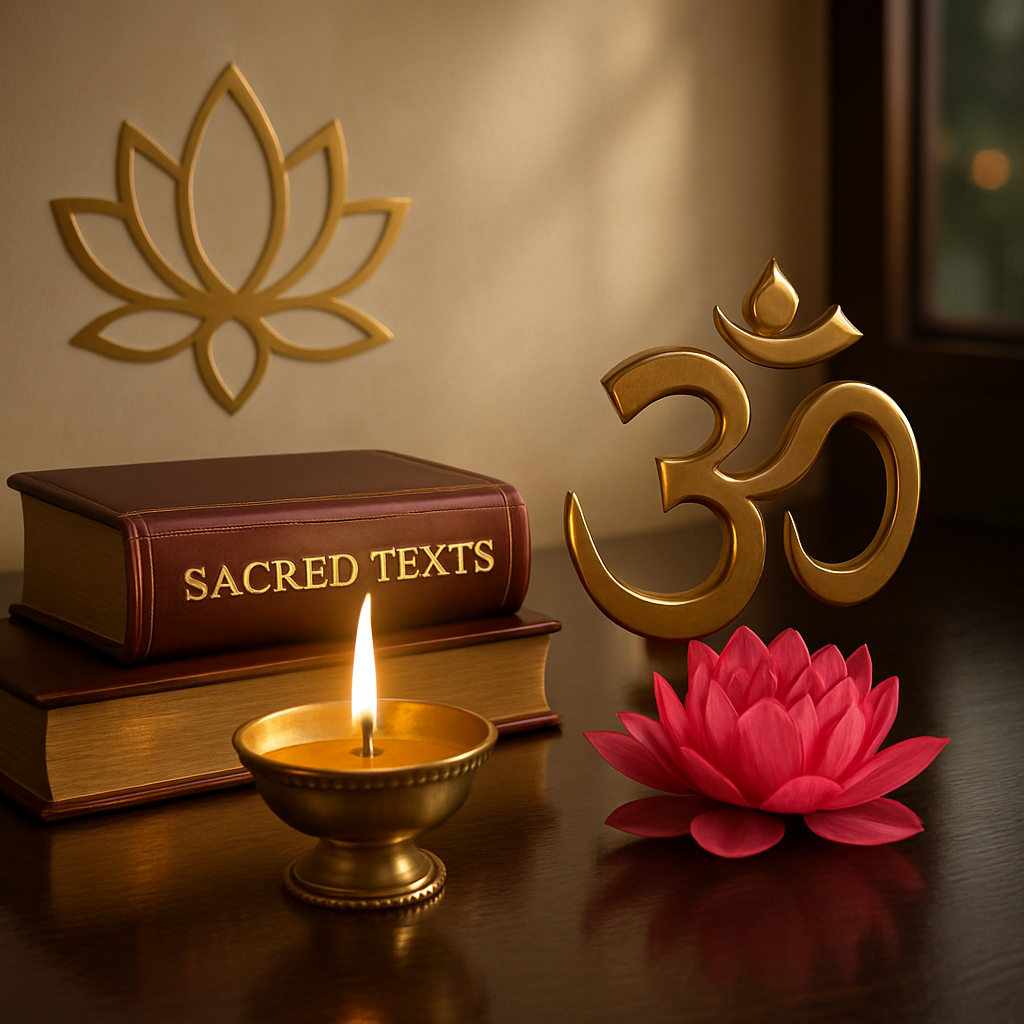
Understanding Hindu Teachings
Hinduism, one of the world’s oldest religions, is rich in philosophy, spirituality, and cultural diversity. This tradition embraces multiple paths to the divine, honoring deities such as Shiva, Vishnu, Devi, Surya, and Ganesha with equal reverence. Each represents different aspects of life and the cosmos, offering followers a holistic framework for understanding existence. As we delve into the teachings of Vedanta, the Bhagavad Gita, and Upanishadic wisdom, we can explore the interconnectedness of these philosophies and their practical implications for our daily lives.
The Essence of Vedanta
Vedanta, a school of philosophy that derives from the Upanishads, focuses on the nature of reality and the self. It teaches that the ultimate goal of life is to realize our unity with Brahman, the ultimate reality. This realization leads to liberation (moksha) from the cycles of birth and death. Vedantic teachings encourage us to reflect on our true nature, emphasizing that we are not merely our physical bodies or minds but part of a greater whole.
Key Concepts in Vedanta
- Brahman: The absolute reality that transcends all dualities.
- Atman: The individual self, which is ultimately identical to Brahman.
- Maya: The illusion that obscures our understanding of reality.
- Moksha: Liberation from the cycle of samsara (birth, death, and rebirth).
The Bhagavad Gita: A Guide to Dharma
The Bhagavad Gita, often referred to simply as the Gita, is a 700-verse text that is part of the Indian epic Mahabharata. It presents a conversation between Prince Arjuna and Lord Krishna, who serves as his charioteer. This scripture addresses the moral and philosophical dilemmas faced by Arjuna on the battlefield and offers profound insights into duty (dharma), righteousness, and devotion (bhakti).
Lessons from the Gita
- Performing One’s Duty: The Gita emphasizes the importance of fulfilling our responsibilities without attachment to the results. This principle encourages us to act with integrity and dedication.
- The Nature of the Self: The Gita teaches that the true self is eternal and beyond physical existence. Understanding this can help us navigate life’s challenges with equanimity.
- Paths to the Divine: The text outlines various paths to spiritual realization, including the paths of knowledge (jnana), devotion (bhakti), and disciplined action (karma).
Upanishadic Wisdom: The Search for Truth
The Upanishads are ancient texts that explore the philosophical concepts found in the Vedas. They delve into the nature of reality, the self, and the ultimate goal of life. The Upanishads encourage seekers to question and reflect on their experiences, leading to a deeper understanding of existence and the cosmos.
Key Themes in the Upanishads
- Self-Realization: The Upanishads stress the importance of knowing oneself as a means to understand the universe.
- Unity of Existence: They highlight the interconnectedness of all beings, emphasizing that all life is sacred.
- Meditation and Reflection: The texts advocate for practices that cultivate inner peace and clarity.
The Principles of Dharma and Karma
Dharma and karma are foundational concepts in Hindu philosophy that guide ethical living and spiritual growth. Dharma refers to the moral and ethical duties that individuals must uphold in their lives. It varies according to one’s stage of life, social obligations, and personal circumstances.
Karma, on the other hand, refers to the law of cause and effect, where every action has consequences. This principle encourages us to act mindfully, as our choices shape our future experiences.
Reflecting on Dharma and Karma
- How can I align my actions with my dharma?
- What consequences do my current choices have on my life?
- In what ways can I cultivate a greater sense of responsibility?
The Role of Yoga in Spiritual Practice
Yoga, derived from the Sanskrit word “yuj,” meaning to unite, is a practical discipline that encompasses physical, mental, and spiritual practices. It serves as a means to connect with the divine and achieve self-realization. There are various forms of yoga, each offering unique benefits and approaches to spiritual growth.
Different Paths of Yoga
- Hatha Yoga: Focuses on physical postures and breathing techniques to prepare the body for meditation.
- Bhakti Yoga: The path of devotion, emphasizing love and devotion to a personal deity.
- Karma Yoga: The yoga of selfless action, encouraging individuals to act without attachment to outcomes.
- Jnana Yoga: The path of knowledge and wisdom, which involves deep inquiry into the nature of reality.
The Importance of Devotion and Spiritual Reflection
Devotion (bhakti) is a crucial aspect of Hindu spirituality, fostering a personal connection with the divine. This relationship can be expressed through prayer, ritual, and community involvement. Spiritual reflection is equally vital, allowing individuals to contemplate their experiences, beliefs, and the teachings of scriptures.
Practices for Cultivating Devotion and Reflection
- Daily Prayer: Establish a routine of prayer or meditation to nurture your relationship with the divine.
- Journaling: Write about your spiritual journey, insights, and questions to enhance self-awareness.
- Community Engagement: Participate in local rituals, discussions, or study groups to deepen your understanding and connection with others.
Respecting Diversity within Hinduism
Hinduism is not monolithic; it encompasses a vast array of beliefs, practices, and traditions. From the worship of various deities to different philosophical interpretations, it is essential to respect the diversity within the tradition. Each path offers valuable insights and methods for spiritual growth.
Encouraging Open Dialogue
Engaging in conversations about different beliefs and practices fosters understanding and unity. It is beneficial to learn from one another while honoring individual experiences and perspectives.
Final Reflections
As we explore the depths of Hindu teachings, it becomes clear that they offer profound wisdom for navigating the complexities of life. By embracing principles of dharma, karma, yoga, and devotion, we cultivate a path toward self-realization and spiritual fulfillment. Remember that personal growth is a journey, and it is essential to approach it with an open heart and mind.
Questions for Personal Reflection
- What aspects of Hindu philosophy resonate most with you?
- How can you incorporate the teachings of the Gita into your daily life?
- In what ways can you foster a deeper sense of devotion in your spiritual practice?
As you continue your spiritual journey, consider consulting appropriate local religious leadership for personal guidance and support. Each individual’s path is unique, and the wisdom of experienced mentors can provide invaluable insights.