
Is Your Pet’s Anxiety Holding Them Back from Happiness?
 Animal Behaviorist
Helps with pet behavior, anxiety, and training.
Animal Behaviorist
Helps with pet behavior, anxiety, and training.
Pets, much like humans, can experience anxiety that affects their well-being and behavior. From excessive barking to destructive chewing, understanding and addressing these issues is crucial for a harmonious household. Let’s explore the key signs of anxiety in pets and effective strategies to help them find peace.
Recognizing Anxiety in Pets
Common Signs of Anxiety
Identifying anxiety in pets can be challenging, but there are several behaviors that may indicate your furry friend is struggling:
- Excessive Barking or Meowing: Vocalization can be a clear sign of distress.
- Destructive Behavior: Chewing furniture or digging can be a coping mechanism.
- Pacing or Restlessness: An anxious pet often has trouble settling down.
- Hiding: Seeking refuge in a small space can indicate fear.
- Changes in Eating Habits: A sudden loss of appetite or overeating can be a red flag.
Causes of Anxiety in Pets
Understanding the root cause of anxiety is essential for effective treatment. Here are some common triggers:
- Separation Anxiety: Many pets experience distress when left alone.
- Loud Noises: Thunderstorms, fireworks, or even construction can frighten pets.
- Changes in Environment: Moving to a new home or the introduction of new family members can unsettle pets.
- Past Trauma: Rescue pets may have experienced neglect or abuse, leading to anxiety.
Strategies for Managing Pet Anxiety
Tackling anxiety requires patience and a plan. Here are some scientifically-backed strategies to help your pet feel secure:
- Positive Reinforcement Training: Reward calm behavior with treats and praise to reinforce a sense of safety.
- Create a Safe Space: Designate a quiet area where your pet can retreat during stressful times.
- Routine and Structure: Keep a consistent schedule for feeding, walks, and playtime to foster a sense of stability.
- Desensitization: Gradually expose your pet to anxiety-inducing situations in a controlled manner to lessen their fear over time.
- Professional Help: In severe cases, consulting an animal behaviorist or veterinarian for possible medication may be necessary.
Resources for Further Reading
For more information on managing pet anxiety, consider the following trusted sources:
- Mayo Clinic – Pet Anxiety
- WebMD – Pet Health
- World Health Organization (WHO) – Mental Health
- Centers for Disease Control and Prevention (CDC) – Animal Health
In conclusion, your pet’s anxiety doesn’t have to define their happiness. By recognizing the signs and implementing effective strategies, you can help your furry friend lead a more relaxed and joyful life. Remember, patience and consistency are key. Whether you’re employing positive reinforcement or seeking professional help, the goal is to create an environment where your pet feels secure.
Advice: Regularly engage with your pet in activities they enjoy, as playtime can significantly reduce anxiety levels. Keep an eye on their behavior to notice any changes, and don’t hesitate to seek professional advice if needed.
More articles for you
 Is Your Relationship Thriving or Just Surviving?
Relationships can often feel like a rollercoaster ride, filled with ups and downs that challenge our emotional resilience.…
Is Your Relationship Thriving or Just Surviving?
Relationships can often feel like a rollercoaster ride, filled with ups and downs that challenge our emotional resilience.…
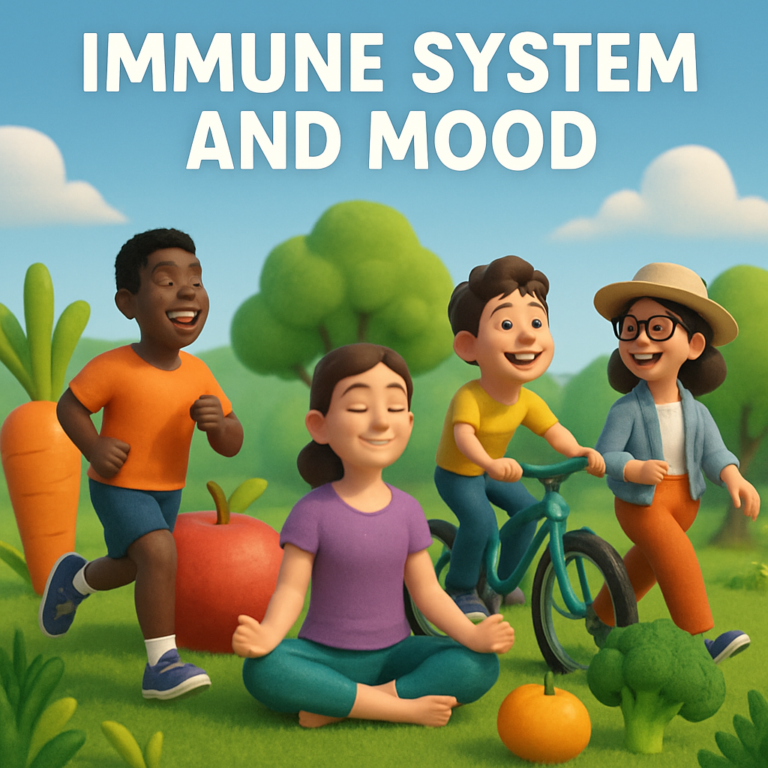 Can Your Immune System Really Affect Your Mood?
The connection between our immune system and our emotional health is often overlooked. But did you know that…
Can Your Immune System Really Affect Your Mood?
The connection between our immune system and our emotional health is often overlooked. But did you know that…
 Is Your Inner Critic Sabotaging Your Happiness?
Many people struggle with an inner critic that can cast a shadow over their happiness and self-esteem. This…
Is Your Inner Critic Sabotaging Your Happiness?
Many people struggle with an inner critic that can cast a shadow over their happiness and self-esteem. This…
 Sit ups
: Exercise Guide Overview Sit ups are a slow, controlled exercise focusing primarily on strengthening the abdominal…
Sit ups
Sit ups: Exercise Guide Overview Sit ups are a slow, controlled exercise focusing primarily on strengthening the abdominal…
 Alternating sit ups
: Exercise Guide Overview Alternating sit ups are a slow, controlled movement primarily targeting the abdominal…
Alternating sit ups
Alternating sit ups: Exercise Guide Overview Alternating sit ups are a slow, controlled movement primarily targeting the abdominal…
 Crunches
: Exercise Guide Overview Crunches are a slow, controlled exercise designed to strengthen the abdominal muscles. This movement…
Crunches
Crunches: Exercise Guide Overview Crunches are a slow, controlled exercise designed to strengthen the abdominal muscles. This movement…