
Are You Ready to Reclaim Your Strength Post-Surgery?
 Post-Surgery Coach
Supports safe rehabilitation after orthopedic or soft-tissue surgeries.
Post-Surgery Coach
Supports safe rehabilitation after orthopedic or soft-tissue surgeries.
Recovering from surgery can feel overwhelming, but it doesn’t have to be. With the right approach, you can regain your mobility and confidence. Whether you’ve undergone a knee replacement or a shoulder repair, understanding the steps you need to take is crucial.
The Importance of Post-Surgery Recovery
Understanding Your Recovery Journey
Recovery from surgery is a journey that requires patience, persistence, and a proper plan. After your procedure, the body needs time to heal, but this doesn’t mean you should remain inactive. Instead, a well-structured rehabilitation plan can help you get back on your feet.
- Physical Therapy: Engaging in physical therapy can significantly enhance your recovery. A physical therapist will guide you through tailored exercises to improve strength and mobility, ensuring you’re making progress safely.
- Home Exercises: Simple home exercises can often be incorporated into your daily routine. These can include gentle stretches and movements to keep your joints flexible and muscles engaged.
Key Components of Recovery
- Rest and Recovery: Don’t underestimate the power of rest. Your body needs time to heal, so make sure to balance activity with adequate rest. Be mindful of pain levels and don’t push through discomfort.
- Nutrition: A balanced diet plays a significant role in healing. Focus on nutrient-dense foods rich in protein, vitamins, and minerals. Foods like leafy greens, lean meats, and whole grains can support recovery.
- Hydration: Staying hydrated is essential. Water helps to flush out toxins and supports overall bodily functions. Aim for at least 8 cups of water a day, or more if recommended by your doctor.
- Gradual Progression: Start with light activities and gradually increase intensity as you feel comfortable. Listen to your body, and don’t rush the process.
Setting Realistic Goals
Setting achievable goals can keep you motivated throughout your recovery. Consider breaking down your rehabilitation into smaller milestones. This could be as simple as walking a certain distance or completing a set of exercises without pain.
- Short-term Goals: Aim for small victories like sitting up in bed unassisted or standing for a few minutes.
- Long-term Goals: Focus on returning to activities you love, whether it’s hiking, swimming, or playing with your grandkids.
Helpful Resources
For more detailed guidance, refer to these trusted sources:
- Mayo Clinic: Post-Surgery Recovery
- WebMD: Recovery After Surgery
- World Health Organization: Surgical Care
- CDC: Post-operative Care
Final Thoughts
Remember, recovery is a process that may take time, but with the right strategies, you can emerge stronger than before. Don’t hesitate to reach out for support, whether from healthcare professionals, family, or friends. Celebrate your progress, however small, and stay committed to your health journey.
As you embark on this path, remind yourself that every step you take is a step towards reclaiming your strength and independence. Keep pushing, stay positive, and know that you are not alone in this journey.
More articles for you
 Can Simple Changes Enhance Wellness During Cancer Treatment?
Facing cancer can feel overwhelming, but small changes can significantly enhance your quality of life during treatment. This…
Can Simple Changes Enhance Wellness During Cancer Treatment?
Facing cancer can feel overwhelming, but small changes can significantly enhance your quality of life during treatment. This…
 Can Simple Changes Help Tame Your Chronic Pain?
Chronic pain can feel overwhelming, but small lifestyle adjustments may offer significant relief. Many people unknowingly contribute to…
Can Simple Changes Help Tame Your Chronic Pain?
Chronic pain can feel overwhelming, but small lifestyle adjustments may offer significant relief. Many people unknowingly contribute to…
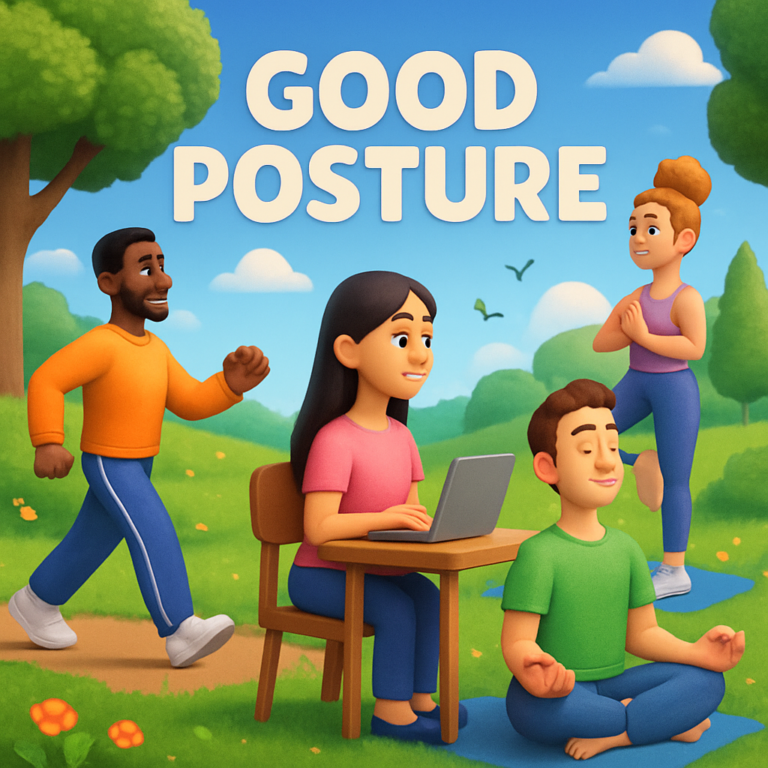 Is Your Posture Sabotaging Your Health? Discover the Truth
In our fast-paced world, many of us spend hours hunched over screens, often neglecting our posture. This seemingly…
Is Your Posture Sabotaging Your Health? Discover the Truth
In our fast-paced world, many of us spend hours hunched over screens, often neglecting our posture. This seemingly…
 Sit ups
: Exercise Guide Overview Sit ups are a slow, controlled exercise focusing primarily on strengthening the abdominal…
Sit ups
Sit ups: Exercise Guide Overview Sit ups are a slow, controlled exercise focusing primarily on strengthening the abdominal…
 Alternating sit ups
: Exercise Guide Overview Alternating sit ups are a slow, controlled movement primarily targeting the abdominal…
Alternating sit ups
Alternating sit ups: Exercise Guide Overview Alternating sit ups are a slow, controlled movement primarily targeting the abdominal…
 Crunches
: Exercise Guide Overview Crunches are a slow, controlled exercise designed to strengthen the abdominal muscles. This movement…
Crunches
Crunches: Exercise Guide Overview Crunches are a slow, controlled exercise designed to strengthen the abdominal muscles. This movement…