
Is Your Heart Health at Risk? Discover the Signs and Solutions
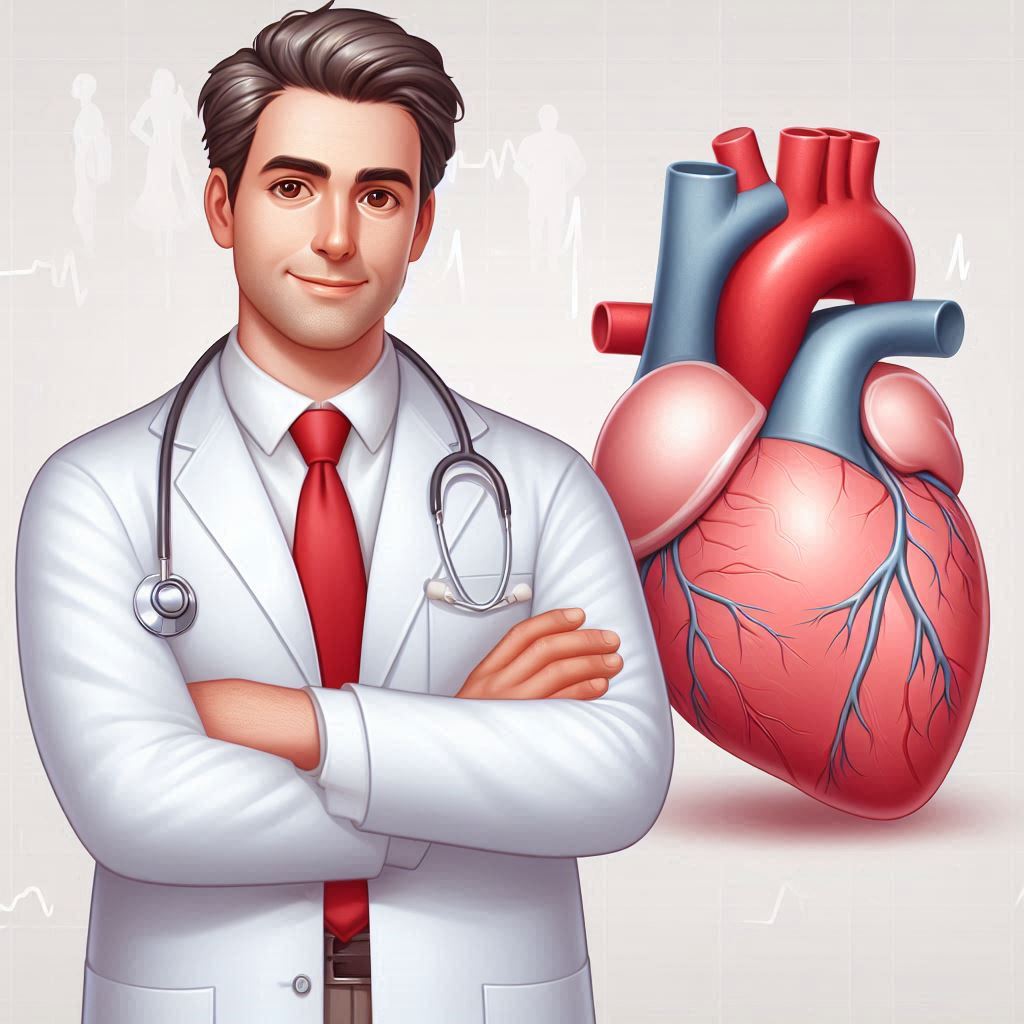 Cardiologist
Focuses on heart health, blood pressure, and circulation-related concerns.
Cardiologist
Focuses on heart health, blood pressure, and circulation-related concerns.
Heart disease remains one of the leading causes of death globally, yet many people remain unaware of the subtle signs that their heart health may be at risk. Understanding these signs and taking proactive measures can lead to a healthier, longer life.
Recognizing the Warning Signs of Heart Disease
Common Symptoms to Watch For
Heart disease can manifest in various ways, and recognizing these symptoms is crucial. Here are some key indicators to keep an eye on:
- Chest Pain or Discomfort: Often described as a feeling of pressure, squeezing, fullness, or pain in the center or left side of the chest.
- Shortness of Breath: This can occur with or without chest discomfort and may happen during physical activity or at rest.
- Fatigue: Unusual fatigue can be a sign of heart issues, especially in women.
- Heart Palpitations: Noticeable changes in heartbeat or rhythm can indicate underlying problems.
- Swelling: Unexplained swelling in the legs, ankles, or feet could signal heart failure.
Recognizing these signs can prompt early intervention, which is critical for managing heart health.
The Role of Lifestyle in Heart Disease Prevention
While genetic factors play a role in heart disease, lifestyle choices significantly impact your risk. Here’s how you can promote cardiovascular wellness:
- Eat a Heart-Healthy Diet: Focus on a diet rich in fruits, vegetables, whole grains, and lean proteins. The Mediterranean diet is often recommended for its heart benefits.
- Exercise Regularly: Aim for at least 150 minutes of moderate aerobic activity each week. Activities like walking, cycling, or swimming can boost heart health.
- Manage Stress: Chronic stress can take a toll on your heart. Techniques like mindfulness, yoga, and deep breathing exercises can help.
- Avoid Tobacco and Limit Alcohol: Smoking is a major risk factor for heart disease. Reducing alcohol intake can also improve heart health.
- Regular Check-Ups: Keep up with scheduled health screenings to monitor blood pressure, cholesterol levels, and other risk factors.
By taking these actionable steps, you can significantly reduce your risk of heart disease.
Importance of Personalized Medical Follow-Up
Every individual’s heart health journey is unique. Personalized medical follow-up plays a crucial role in effectively managing heart health. Here’s why:
- Tailored Treatment Plans: Based on your specific risk factors and health status, your cardiologist can create a treatment plan that suits your needs.
- Ongoing Monitoring: Regular appointments allow for continuous assessment of your heart health, ensuring any changes are addressed promptly.
- Education and Support: Engaging with your healthcare provider provides the opportunity to learn more about heart health and gain emotional support.
As we approach World Heart Day on September 29, it’s an ideal time to prioritize heart health. Make a conscious effort to understand your heart, and take steps toward a healthier lifestyle.
Conclusion: Take Charge of Your Heart Health
Being proactive about heart health is essential. If you notice any symptoms or have risk factors, don’t hesitate to consult a healthcare provider. Remember, early detection and lifestyle changes can significantly alter the course of your heart health. Stay informed, stay active, and make heart health a priority today!
For more information, check out these trusted sources:
More articles for you
 Is Your Heart Taking a Silent Hit? Discover the Hidden Risks
Heart disease remains one of the leading causes of death worldwide, and many people are unaware of the…
Is Your Heart Taking a Silent Hit? Discover the Hidden Risks
Heart disease remains one of the leading causes of death worldwide, and many people are unaware of the…
 Is Your Heart Really Healthy? The Surprising Truth Revealed
Heart health is more than just a number on a report; it’s about understanding your body, recognizing the…
Is Your Heart Really Healthy? The Surprising Truth Revealed
Heart health is more than just a number on a report; it’s about understanding your body, recognizing the…
 Are You Ignoring These Silent Signs of Heart Disease?
Heart disease remains one of the leading causes of death in the world, yet many individuals remain unaware…
Are You Ignoring These Silent Signs of Heart Disease?
Heart disease remains one of the leading causes of death in the world, yet many individuals remain unaware…
 Sit ups
: Exercise Guide Overview Sit ups are a slow, controlled exercise focusing primarily on strengthening the abdominal…
Sit ups
Sit ups: Exercise Guide Overview Sit ups are a slow, controlled exercise focusing primarily on strengthening the abdominal…
 Alternating sit ups
: Exercise Guide Overview Alternating sit ups are a slow, controlled movement primarily targeting the abdominal…
Alternating sit ups
Alternating sit ups: Exercise Guide Overview Alternating sit ups are a slow, controlled movement primarily targeting the abdominal…
 Crunches
: Exercise Guide Overview Crunches are a slow, controlled exercise designed to strengthen the abdominal muscles. This movement…
Crunches
Crunches: Exercise Guide Overview Crunches are a slow, controlled exercise designed to strengthen the abdominal muscles. This movement…