
Is Your Exercise Routine Holding You Back from Recovery?
 Physiotherapist
Helps with injury recovery, mobility improvement, and physical therapy.
Physiotherapist
Helps with injury recovery, mobility improvement, and physical therapy.
In the realm of fitness and recovery, many individuals find themselves caught in a cycle of ineffective exercise routines that lead to frustration and setbacks. Understanding how to tailor your exercise regimen can be the key to unlocking your full potential, enhancing recovery, and preventing future injuries.
The Importance of Personalized Exercise Programs
Why One Size Doesn’t Fit All
When it comes to exercise, a generic workout plan simply doesn’t cut it for everyone. Each person has unique needs, goals, and limitations. Here are some reasons why personalized exercise programs are essential:
- Individual Goals: Whether you’re aiming to lose weight, build muscle, or improve mobility, your program should reflect your specific objectives.
- Physical Limitations: Previous injuries or chronic pain conditions require tailored modifications to ensure safety and efficacy.
- Lifestyle Factors: Your daily routine, energy levels, and available equipment should influence your exercise choices.
Key Components of a Personalized Program
Creating an effective personalized exercise program involves several critical components:
- Assessment: A thorough evaluation of your physical condition, including flexibility, strength, and posture.
- Goal Setting: Establishing clear, measurable, and achievable goals to track progress.
- Exercise Selection: Choosing exercises that align with your goals and accommodate any limitations.
- Progression: Gradually increasing the intensity or complexity of exercises to avoid plateaus.
For a deeper understanding of exercise programs, refer to the Mayo Clinic and WebMD for credible information.
Ergonomics: The Unsung Hero of Recovery
What is Ergonomics?
Ergonomics is the science of designing the workplace, products, and systems to fit the people who use them. Proper ergonomic practices can significantly enhance recovery and prevent injuries. Here’s how:
- Improved Posture: Correct ergonomics help maintain a neutral spine and reduce strain on muscles and joints.
- Reduced Fatigue: Ergonomic setups can decrease the amount of energy expended during tasks, promoting endurance.
- Injury Prevention: By minimizing awkward positions and repetitive motions, proper ergonomics can greatly reduce the risk of injuries.
Practical Ergonomic Tips
To implement ergonomic practices into your daily routine, consider the following tips:
- Chair Height: Adjust your chair so that your feet are flat on the floor and your knees are at a 90-degree angle.
- Monitor Placement: Your computer screen should be at eye level to avoid neck strain.
- Breaks: Incorporate regular breaks to stretch and move around, especially if you work at a desk.
For more insights on workplace ergonomics, visit the CDC and WHO websites.
Real-World Example
Consider Sarah, a 35-year-old office worker who has been experiencing chronic lower back pain. After a thorough assessment, a personalized exercise program focusing on core strengthening and flexibility was developed for her, alongside ergonomic adjustments to her workspace. Over several weeks, her pain diminished, and her overall productivity improved.
Final Thoughts
Tailoring your exercise routine to your individual needs, combined with ergonomic practices, can dramatically enhance your recovery journey. Remember to listen to your body, modify exercises as necessary, and ensure your workspace is conducive to optimal health.
For ongoing support, consider consulting a physiotherapist who can guide you through your recovery process and help you stay on track with your fitness goals.
As a reminder, on International Cancer Awareness Day, let’s also commit to incorporating healthy habits that prevent various health issues, including exercise and proper ergonomics.
More articles for you
 How Can Nature Transform Your Fitness Routine?
In the hustle and bustle of everyday life, we often forget the incredible benefits that nature can bring…
How Can Nature Transform Your Fitness Routine?
In the hustle and bustle of everyday life, we often forget the incredible benefits that nature can bring…
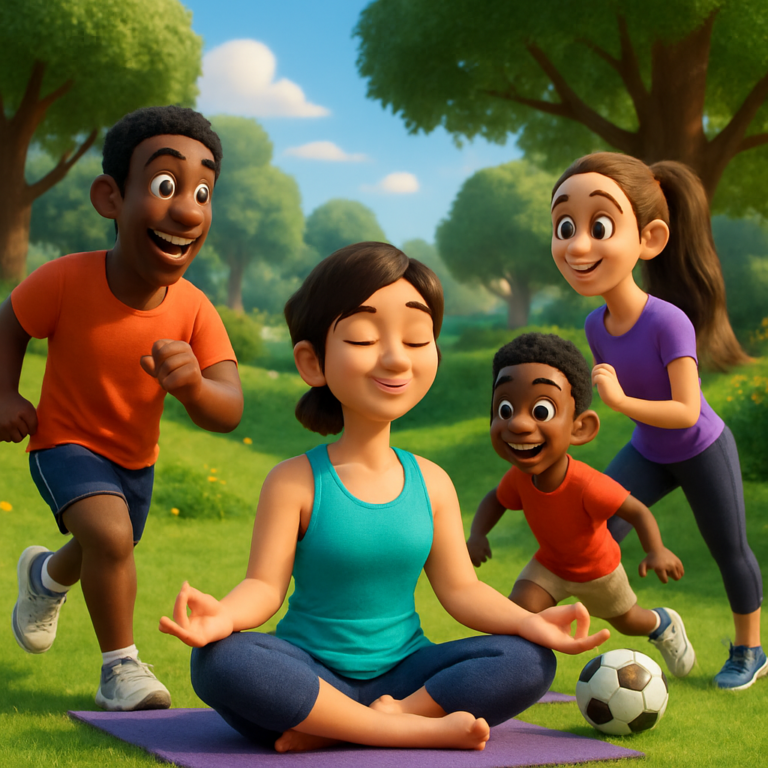 Is Your Movement Holding You Back from Living Fully?
Movement is the foundation of our daily lives, yet many of us take it for granted. Whether it’s…
Is Your Movement Holding You Back from Living Fully?
Movement is the foundation of our daily lives, yet many of us take it for granted. Whether it’s…
 Can Nature Be Your Gym? Explore Outdoor Fitness Benefits!
Imagine stepping outside your front door and into a world of fitness. Nature offers a unique setting for…
Can Nature Be Your Gym? Explore Outdoor Fitness Benefits!
Imagine stepping outside your front door and into a world of fitness. Nature offers a unique setting for…
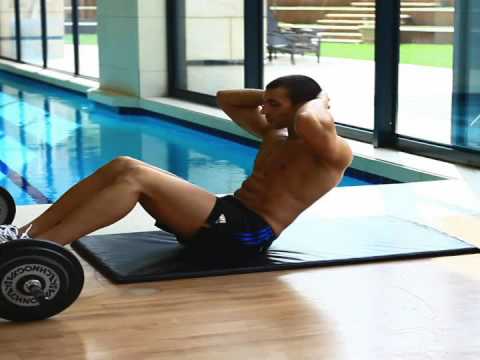 Sit ups
: Exercise Guide Overview Sit ups are a slow, controlled exercise focusing primarily on strengthening the abdominal…
Sit ups
Sit ups: Exercise Guide Overview Sit ups are a slow, controlled exercise focusing primarily on strengthening the abdominal…
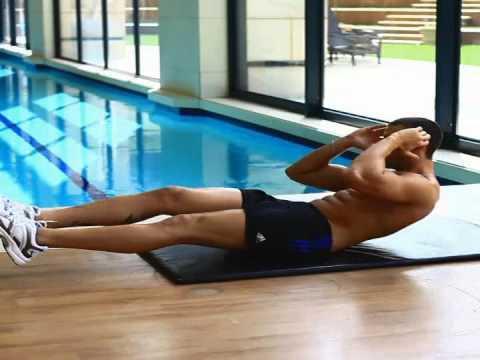 Alternating sit ups
: Exercise Guide Overview Alternating sit ups are a slow, controlled movement primarily targeting the abdominal…
Alternating sit ups
Alternating sit ups: Exercise Guide Overview Alternating sit ups are a slow, controlled movement primarily targeting the abdominal…
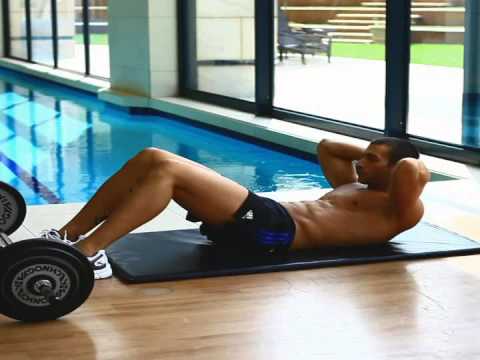 Crunches
: Exercise Guide Overview Crunches are a slow, controlled exercise designed to strengthen the abdominal muscles. This movement…
Crunches
Crunches: Exercise Guide Overview Crunches are a slow, controlled exercise designed to strengthen the abdominal muscles. This movement…