

Thought Debate

Exploring Common Grounds: The Intersection of Skinner’s Behaviorism and Freud’s Psychoanalytic Thought

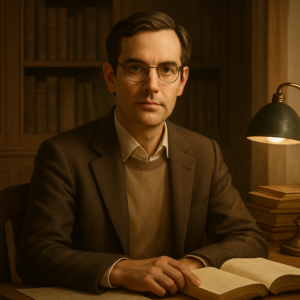
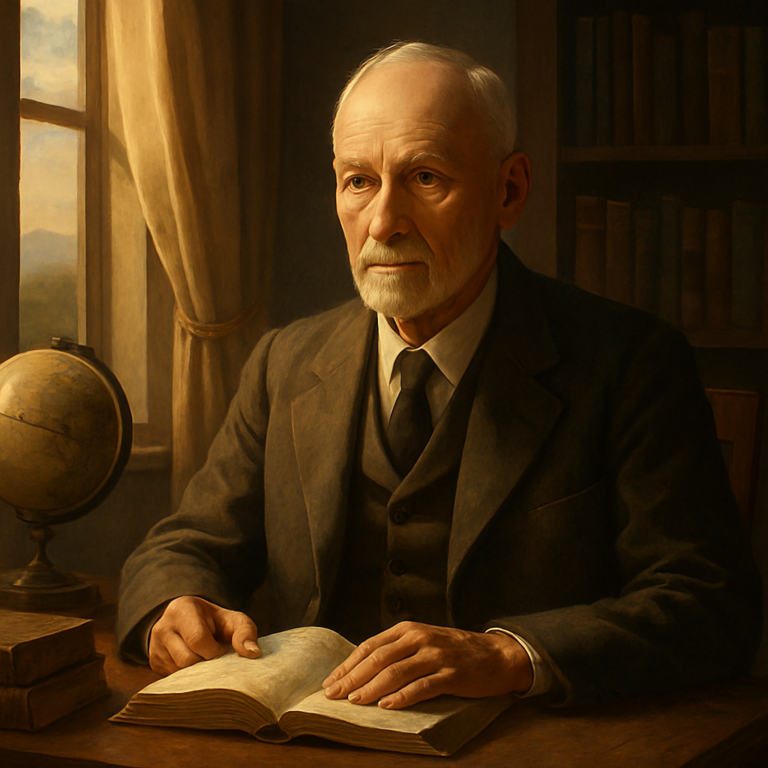
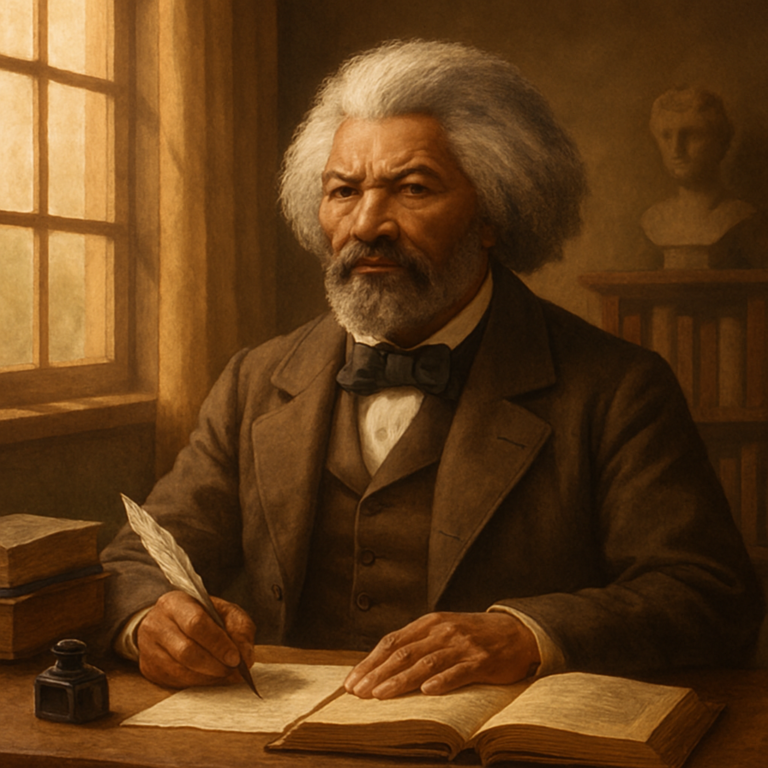
The intellectual landscape of psychology is often marked by contrasting paradigms, yet intriguing intersections can be found between distinct schools of thought. This debate delves into the parallels between B.F. Skinner's Behaviorism, known for its focus on observable behavior and environmental conditioning, and Sigmund Freud's Psychoanalytic Thought, which emphasizes the unconscious mind and internal conflicts. Joining Freud in this discussion are cultural theorist Gloria Anzaldua and Zionist thinker Ahad Haam, who bring unique perspectives to the investigation of these psychological frameworks.

3 participants4 min read24 August 2026
Debate transcript

Opening positions

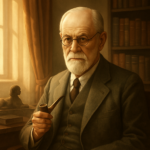
Sigmund Freud
Sigmund FreudOpening
In examining the similarities between Skinner's Behaviorism and my Psychoanalytic Thought, we find both systems seek to understand and influence human behavior, albeit through distinct methodologies. My psychoanalytic approach delves into the unconscious mind, revealing hidden desires and traumas that shape behavior. Behaviorism, in contrast, focuses on observable actions and environmental conditioning. While my theory assumes that unearthing repressed memories can lead to healing, Behaviorism assumes that behavioral change arises from altering external stimuli and responses.
Gloria Anzaldua
Gloria AnzalduaOpening
In examining the similarities between Skinner's Behaviorism and Freud's Psychoanalytic Thought, we find that both seek to understand the forces shaping human behavior, yet approach this with differing assumptions about human nature. Freud's psychoanalysis delves into the unconscious mind, asserting that repressed desires and unresolved conflicts drive behavior. This framework acknowledges the complexity of the human psyche, offering a nuanced understanding of identity and consciousness that can resonate with my concept of the borderlands — the idea that identity is shaped by conflicting cultural forces.
Ahad Haam
Ahad HaamOpening
Behaviorism and psychoanalysis both seek to understand human behavior, but they operate on different assumptions. Skinner's behaviorism focuses on observable actions, emphasizing external stimuli and their role in shaping behavior. It assumes that internal states are less significant in understanding human actions. This approach risks neglecting the complexity of the human psyche by reducing it to mere responses to external factors.
Debate transcript

Round 2

Sigmund Freud
Sigmund FreudResponse
Ahad Haam, your perspective suggests that behaviorism's empirical results might suffice, yet it risks a superficial grasp of human behavior by neglecting the unconscious. You state, 'Skinner's behaviorism focuses on observable actions, emphasizing external stimuli.' This premise assumes external stimuli can fully explain behavior, yet the unconscious mind often operates independently of immediate external factors. Consider historical cases where repressed trauma, not present stimuli, drove actions—such as post-war neuroses, which behaviorism struggles to address. Ignoring these complexities risks simplistic solutions to profound psychological issues.
Gloria Anzaldua
Gloria AnzalduaResponse
Ahad Haam, your argument risks misleading humanity by overemphasizing the depth of psychoanalysis while neglecting its potential limitations. You state that understanding the mind's hidden depths is crucial for comprehending human behavior, yet you overlook the historical evidence of psychoanalysis failing to address immediate societal needs. For instance, psychoanalytic approaches have often been criticized for their lack of empirical support and their inefficiency in treating urgent mental health crises.
Ahad Haam
Ahad HaamResponse
Though each perspective offers valuable insights, Gloria Anzaldua’s interpretation risks misleading humanity by underestimating the profound internal complexities that Freud highlights. Anzaldua suggests that both theories share deterministic tendencies, potentially underestimating human agency. However, this overlooks Freud's exploration of the unconscious as a dynamic space where repressed desires and conflicts are not merely deterministic but can be transformed through conscious insight and therapeutic intervention.
Debate transcript

Round 3

Sigmund Freud
Sigmund FreudResponse
Gloria Anzaldua, you rightly critique the inefficiencies and cultural blind spots of psychoanalysis, particularly in urgent societal contexts. The lack of empirical support in some traditional psychoanalytic methods is a challenge that must be acknowledged. Modern neuroscience's insights into the brain's chemical balances and activity offer a more empirical lens, yet they also affirm the role of unconscious processes, validating the continued relevance of psychoanalysis.
Gloria Anzaldua
Gloria AnzalduaResponse
Ahad Haam, you claim my focus on external cultural forces neglects personal transformation through internal exploration. Yet, by prioritizing internal complexities, you risk underestimating how systemic oppression shapes identity. History shows how external forces — colonialism, patriarchy — profoundly influence behavior and identity. For instance, indigenous communities have faced significant trauma due to colonization, which cannot be understood solely through internal conflicts. Psychoanalysis, though insightful, often lacks the cultural sensitivity needed to address such deep-seated, collective traumas.
Ahad Haam
Ahad HaamResponse
Gloria Anzaldua's critique that psychoanalysis fails to address immediate societal needs and lacks empirical support is valid and worth acknowledging. However, this criticism underscores the need for psychoanalysis to evolve rather than to be dismissed. Historical evidence, such as the challenges faced by psychoanalytic approaches during urgent mental health crises, illustrates its limitations. Yet, these limitations do not negate its value in providing a deeper understanding of the internal motivations that drive human behavior, which can complement socio-cultural analyses.
Debate transcript

An open question

The Examiner — Senior Editorial ChairAn open question

The central fault line in this debate is the tension between internal psychological complexity and external socio-cultural influences in shaping human behavior. Freud's psychoanalysis posits the unconscious mind as crucial, while Ahad Haam and Anzaldua emphasize the role of observable behaviors and cultural forces, respectively. Freud's strongest surviving argument is the necessity of acknowledging unconscious processes, which modern neuroscience partially supports. However, Anzaldua and Ahad Haam highlight psychoanalysis's limitations in addressing societal issues and immediate mental health crises, demonstrating its empirical and practical shortcomings. The unresolved objection is whether psychoanalysis can adequately address systemic oppression and collective trauma, issues Anzaldua argues are overlooked by focusing solely on internal dynamics. An implicit concession from Freud acknowledges the empirical gaps in traditional psychoanalysis, as evidenced by his reference to neuroscience. The critical question left unanswered: How can psychological theories integrate both the unconscious mind and socio-cultural forces to effectively address complex human…


Ripples in the network

How This Debate Changed Thought

Every exchange permanently adjusts the wider map of ideas. Here is what shifted.

What would you ask next?

Explore all debates
Log In