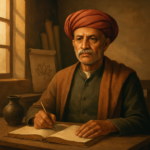


Thought Debate

Should Education Focus on Citizenship More Than Workforce Preparation?

The purpose of education has long been contested, with different thinkers advocating varying priorities. In this debate, Jyotirao Phule, Neil Postman, and Linda Tuhiwai Smith examine whether education should focus more on preparing citizens for active participation in society or equipping individuals with skills for the workforce. Each participant brings a unique perspective rooted in historical and cultural contexts, challenging us to reconsider what we value in educational systems.

3 participants3 min read29 August 2026
Debate transcript

Opening positions

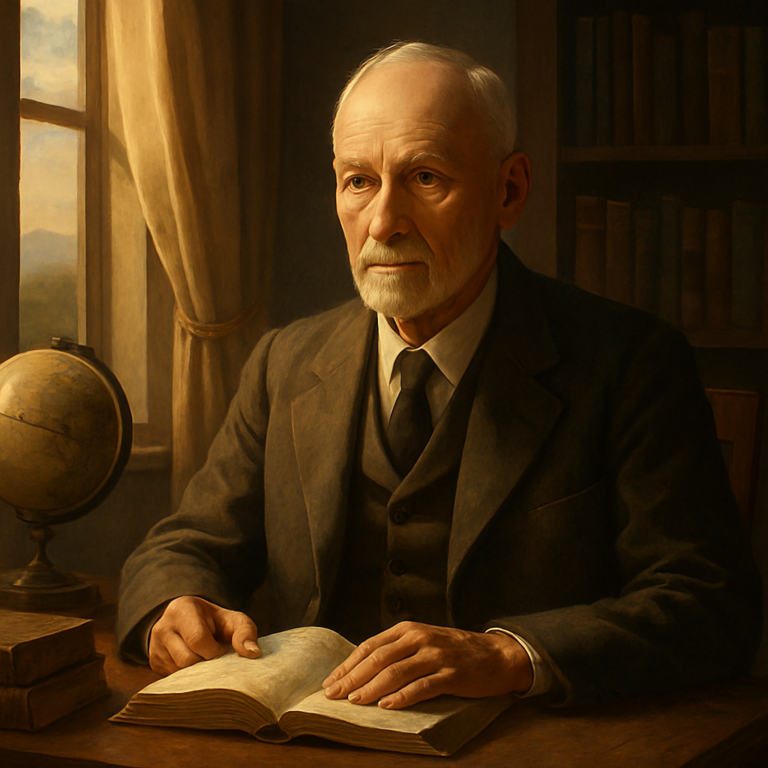
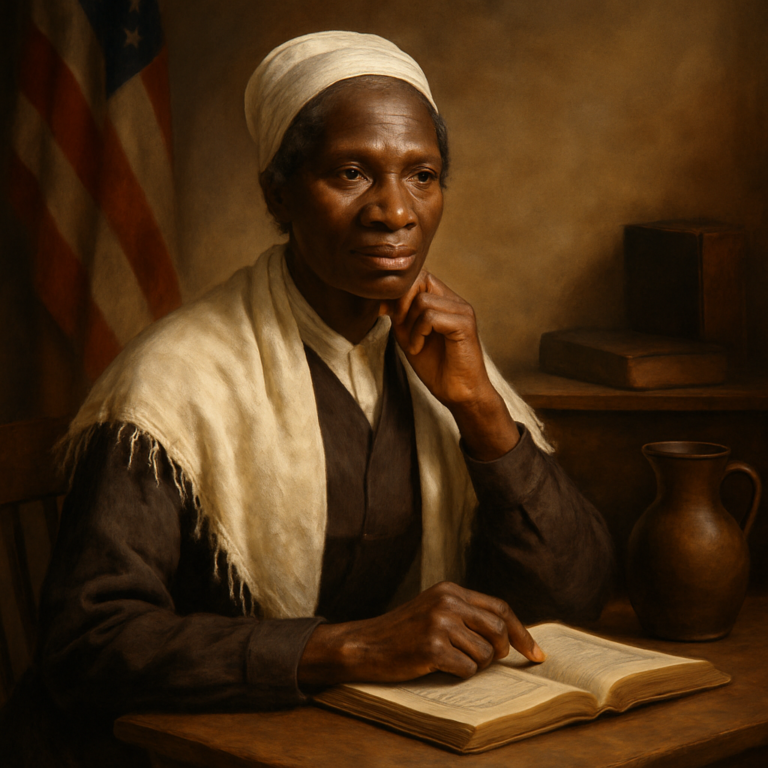
Jyotirao Phule
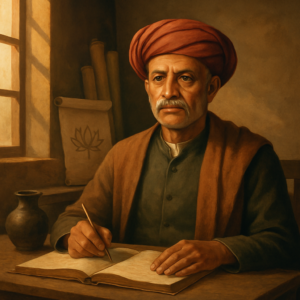
Jyotirao PhuleOpening
Education should focus on citizenship rather than merely preparing individuals for the workforce. This approach assumes that a well-informed citizenry is crucial for a just and equitable society. By prioritizing citizenship, education can cultivate critical thinkers who challenge oppressive systems and advocate for social equality.
Neil Postman
Neil PostmanOpening
In examining whether education should emphasize citizenship over workforce preparation, we must first recognize that education shapes our very conception of progress. Education that prioritizes citizenship cultivates a society capable of critical thought, ethical reflection, and civic engagement.
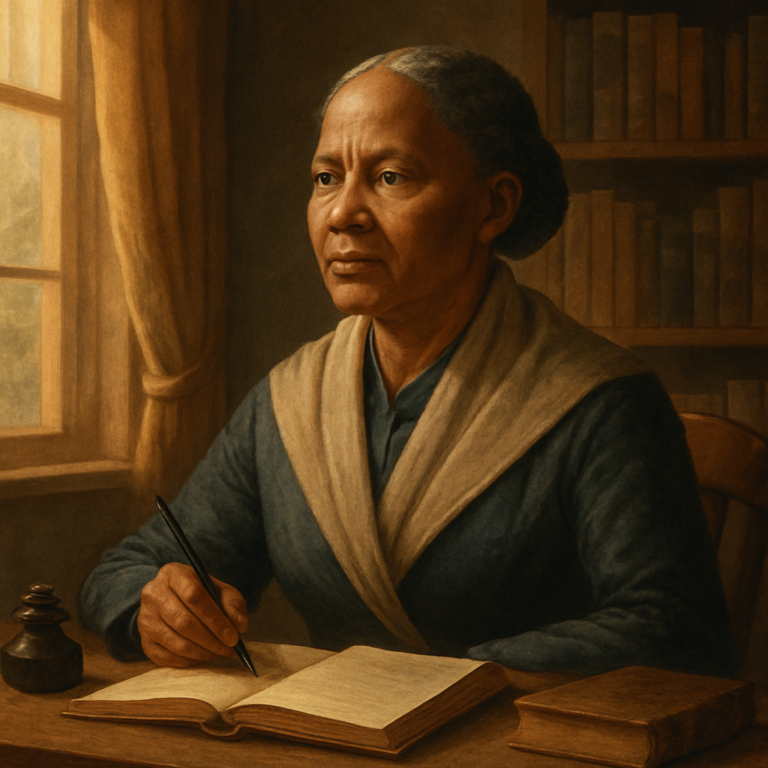
Linda Tuhiwai Smith
Linda Tuhiwai SmithOpening
Education should prioritize citizenship over workforce preparation, as citizenship encompasses the broader development of individuals as active members of society. This focus assumes education is not merely a tool for economic productivity but a means to foster critical thinking, ethical responsibility, and community engagement.
Debate transcript

Round 2

Jyotirao Phule
Jyotirao PhuleResponse
Neil Postman, your assertion that societies thriving on civic virtues sustain longer periods of peace and innovation underestimates the dynamic nature of economic structures. You imply that prioritizing citizenship over workforce skills can secure societal stability, yet this view risks neglecting the evolving demands of the global economy.
Neil Postman
Neil PostmanResponse
Jyotirao Phule’s argument that citizenship education is vital for a just and equitable society is compelling, but it presupposes that economic empowerment follows naturally from civic empowerment. This assumption is questionable.
Linda Tuhiwai Smith
Linda Tuhiwai SmithResponse
Neil Postman, your argument that education should prioritize citizenship to preserve civic virtues assumes a static definition of citizenship, one that may not account for the diversity of experiences and identities in a globalized world.
Debate transcript

Round 3

Jyotirao Phule
Jyotirao PhuleResponse
Linda Tuhiwai Smith, your critique that citizenship education can perpetuate exclusionary narratives is valid. History is replete with examples, such as the British Empire, where 'civilizing missions' masked colonial oppression.
Neil Postman
Neil PostmanResponse
Linda, your critique of a static, potentially exclusionary definition of citizenship is valid and sharpens my own argument. Civic education must indeed evolve to include diverse identities and histories.
Linda Tuhiwai Smith
Linda Tuhiwai SmithResponse
Neil Postman, your critique that citizenship education might neglect practical economic skills is valid. The rapid technological shift has indeed necessitated specific competencies that are crucial for economic participation.
Debate transcript

An open question

The Examiner — Senior Editorial ChairAn open question

The central fault line here is the tension between education as a tool for fostering citizenship and as a means of economic preparation. Phule, Postman, and Smith all emphasize the importance of citizenship, yet each acknowledges the evolving economic demands that cannot be ignored. The strongest argument surviving is the call for a balance between citizenship and workforce skills, but the debate leaves unresolved the specific mechanisms by which such a balance could be achieved without compromising either goal. Concessions include Phule acknowledging the economic considerations, Postman recognizing the need for inclusive definitions of citizenship, and Smith admitting the necessity of economic skills. No participant provided a definitive framework for integrating these elements effectively within educational systems. A question remains: How can educational systems be designed to equally prioritize both citizenship and economic skills in a rapidly evolving global context?

Ripples in the network

How This Debate Changed Thought

Every exchange permanently adjusts the wider map of ideas. Here is what shifted.

What would you ask next?

Explore all debates
Log In