Curated Collection

Economics

Thinkers and essays gathered around this school of thought.

17Thinkers
4Thoughts
45Major Works
38Archive Entries
Modern · ContemporaryTime Period
Featured Thinker

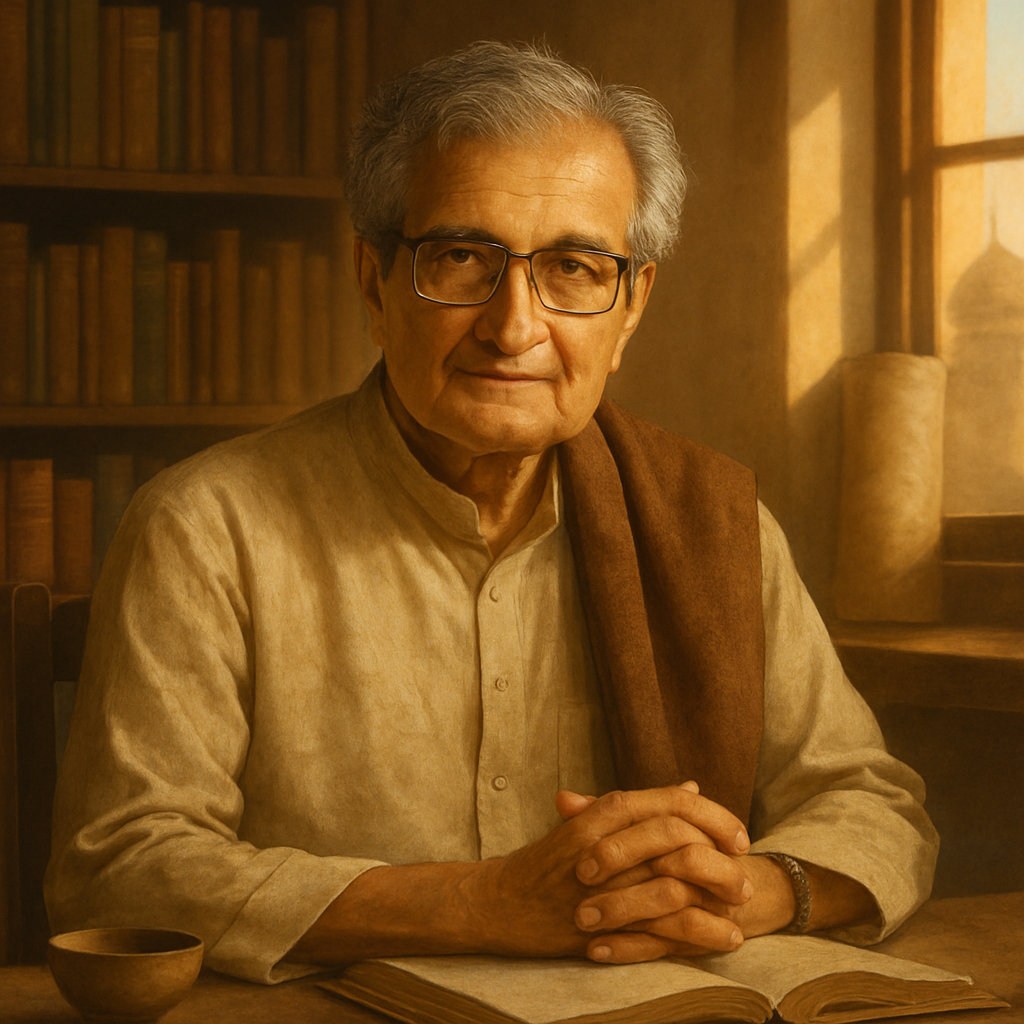
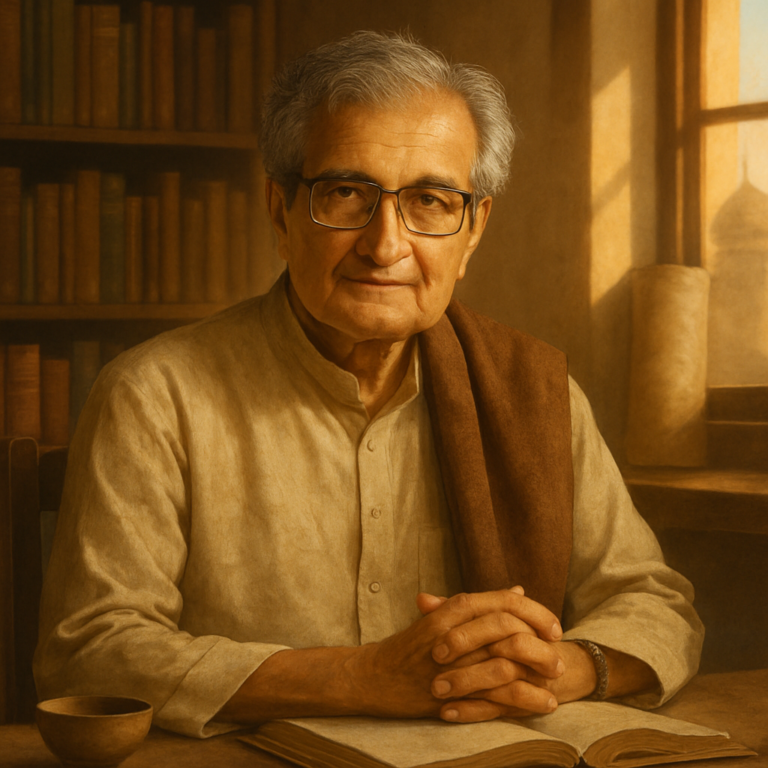
Amartya Sen

Defines development as expanding real freedoms and capabilities, not only income.

“Capabilities must be examined, not inherited.”
View Profile
Across time

A history of Economics

Voices

Thinkers

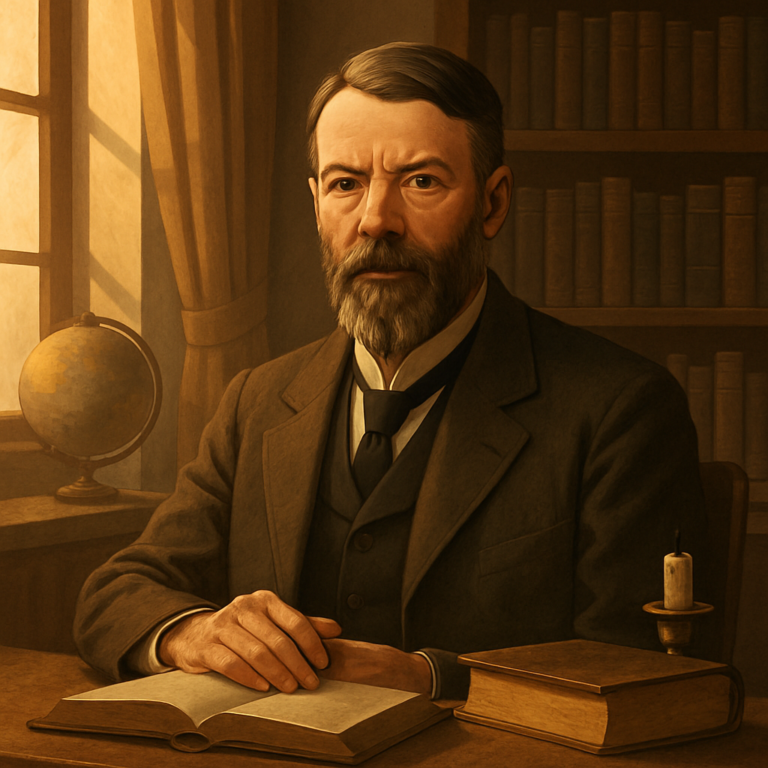
1864–1920

Max Weber

Explains modernity through rationalization, bureaucracy, legitimacy, and the iron cage of systems.

Economics · Political Philosophy · Religion & Mysticism
1909–2005

Peter Drucker

Treats organizations as social institutions that must balance effectiveness and responsibility.

Economics · Leadership · Organizational Thought
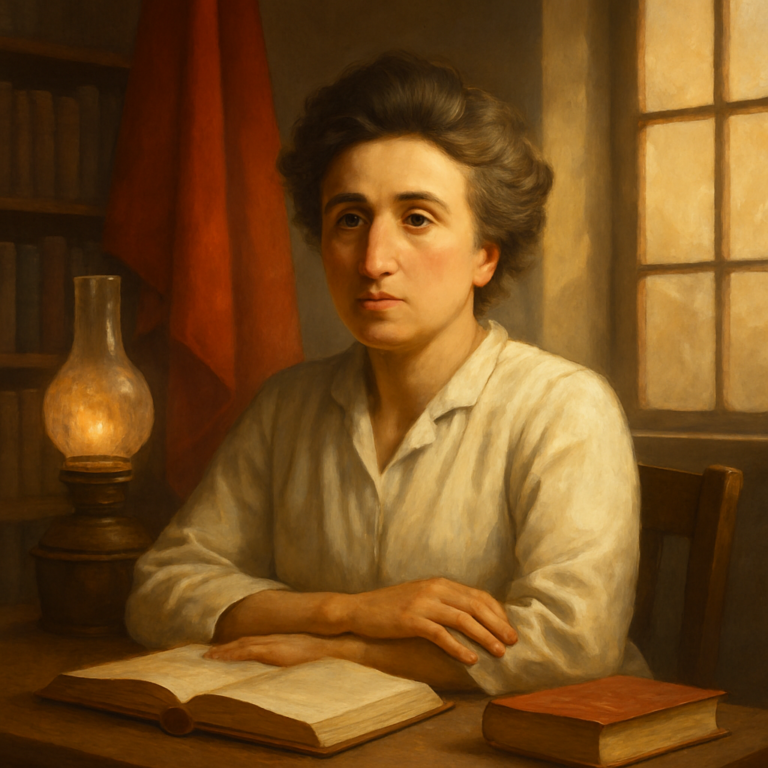
1871–1919

Rosa Luxemburg

Insists that socialism without democracy loses its emancipatory meaning.

Economics · Feminist Thought · Political Philosophy
1842–1921

Peter Kropotkin

Counters harsh competition narratives with cooperation as a force in evolution and society.

Ecology · Economics · Political Philosophy
1916–2006

Jane Jacobs

Defends living cities as complex local ecologies of trust, use, density, and improvisation.

Economics · Political Philosophy · Social Theory
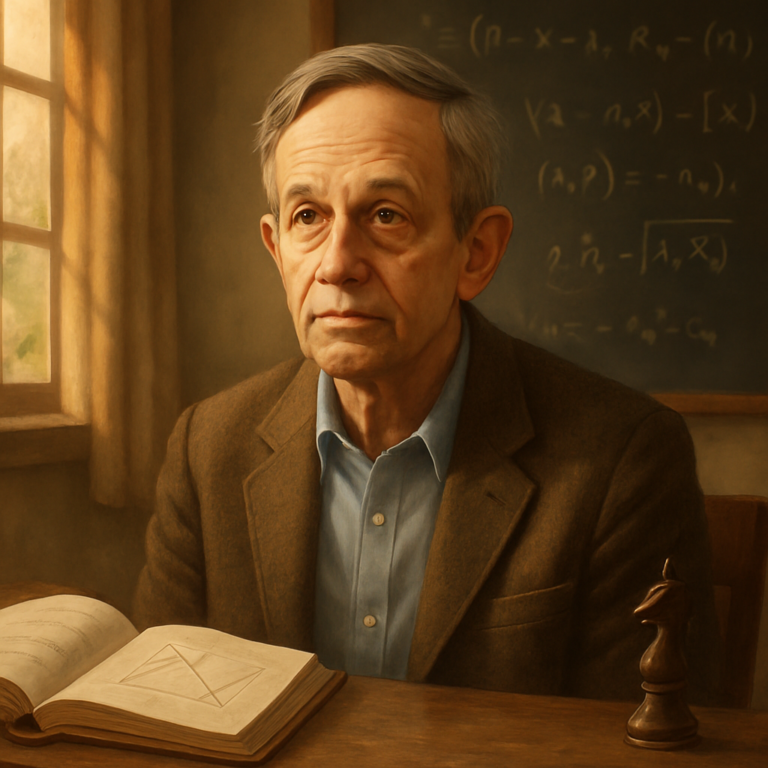
1928–2015

John Nash

Explains how rational agents can settle into stable but not always ideal strategic patterns.

Economics · Game Theory · Mathematics
1903–1957

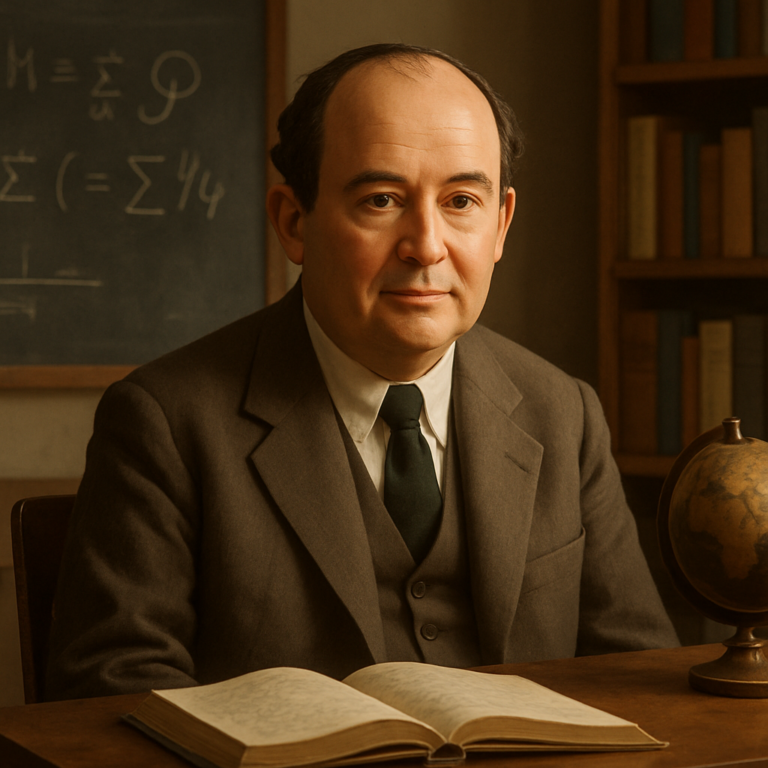
John von Neumann

Connects mathematics to machines, games, strategy, physics, and world-changing technical systems.

Computing · Economics · Mathematics
1951–present

Shoshana Zuboff

Shows how digital platforms turn behavior into prediction, profit, and new forms of power.

Economics · Political Philosophy · Social Theory
1972–present

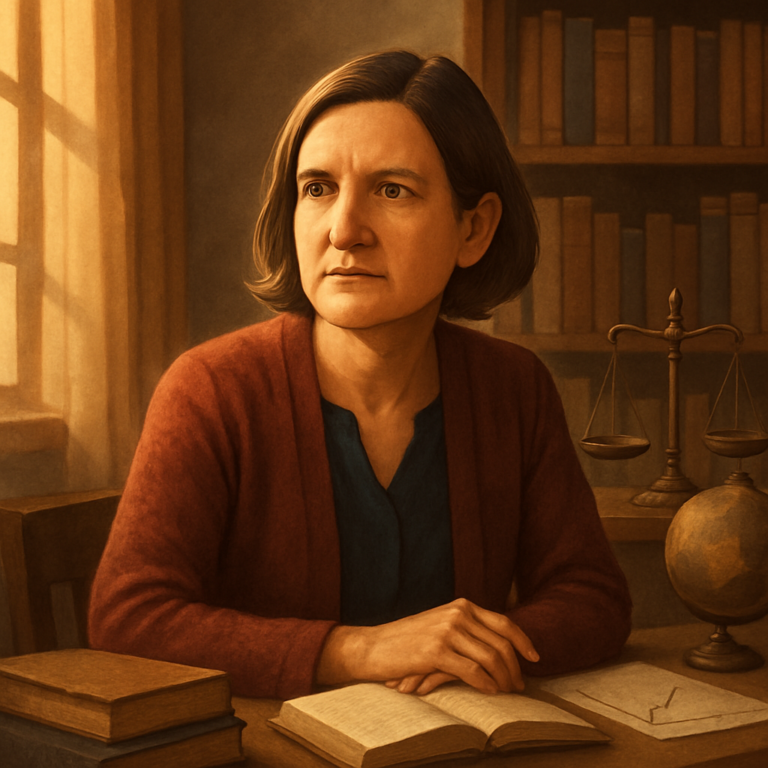
Esther Duflo

Uses careful evidence to understand poverty, incentives, and what actually improves lives.

Development Thought · Economics · Public Policy
1933–present

Amartya Sen

Defines development as expanding real freedoms and capabilities, not only income.

Development Thought · Economics · Ethics
1930–present

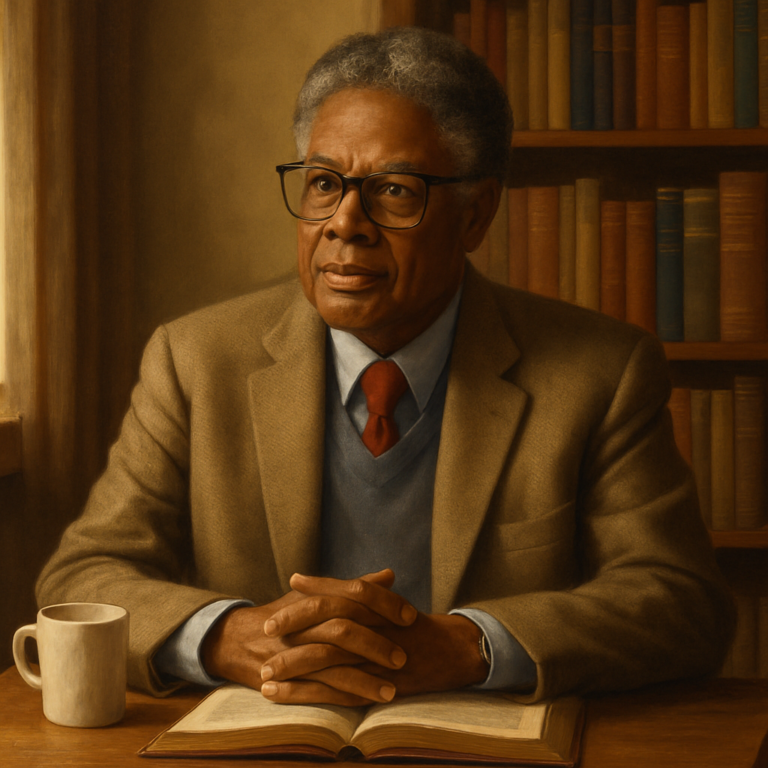
Thomas Sowell

Pushes debates toward incentives, unintended consequences, evidence, and tradeoffs.

Economics · Political Philosophy · Public Policy
1933–2012

Elinor Ostrom

Shows that communities can govern shared resources through durable, locally designed institutions.

Ecology · Economics · Political Philosophy
1912–2006

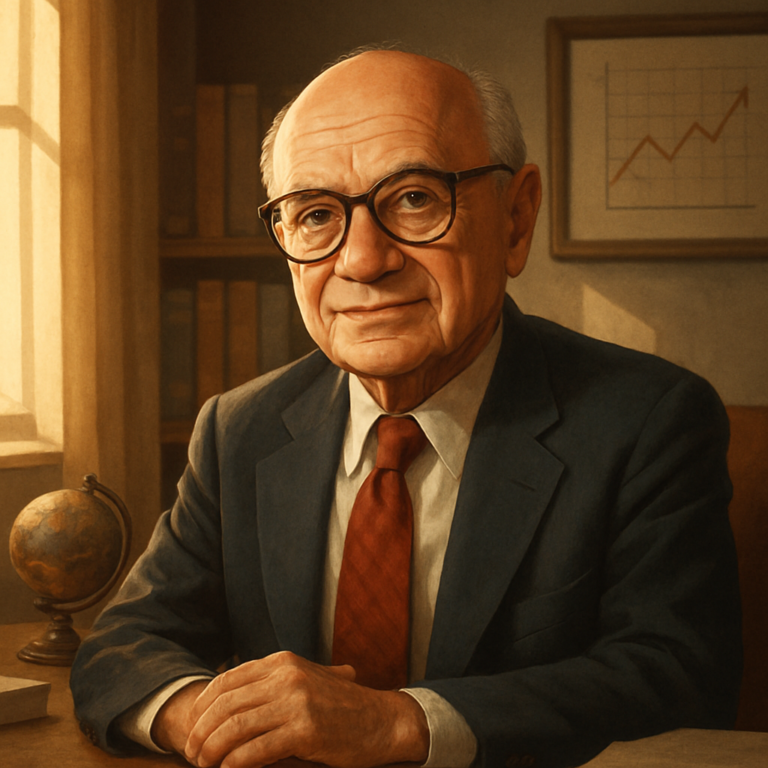
Milton Friedman

Argues that monetary policy, individual choice, and market incentives shape freedom and prosperity.

Economics · Liberal Thought · Political Philosophy
1899–1992

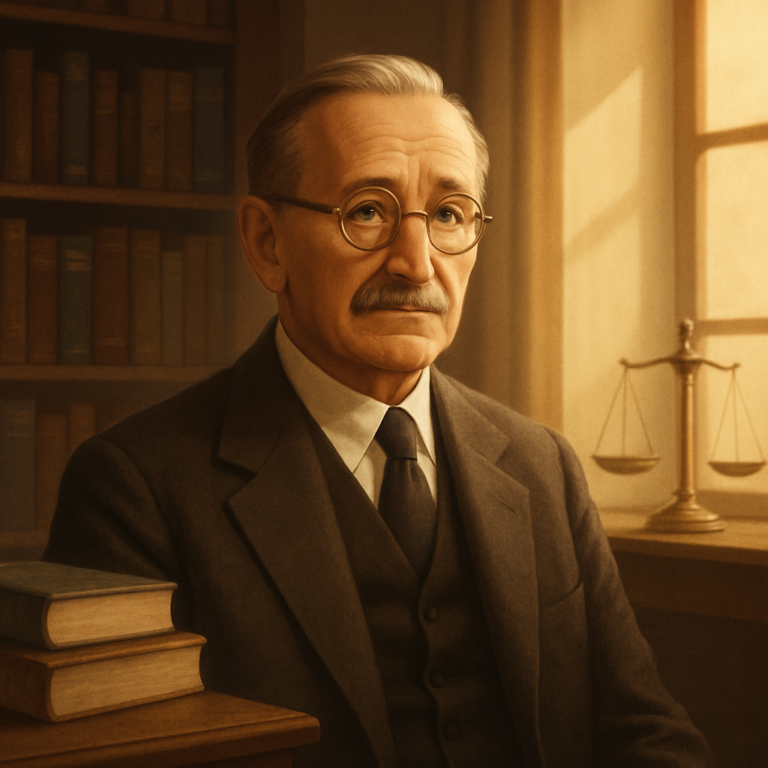
Friedrich Hayek

Warns that dispersed knowledge makes centralized planning dangerous and market signals valuable.

Economics · Liberal Thought · Political Philosophy
1883–1946

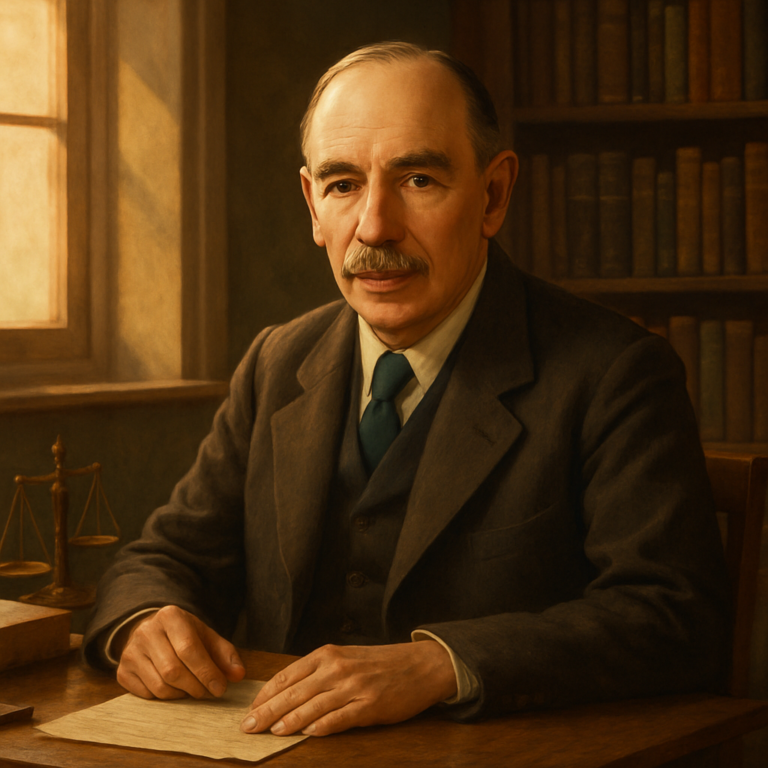
John Maynard Keynes

Asks how economies behave under uncertainty and when public action can prevent mass suffering.

Economics · Modern Thought · Political Philosophy
1723–1790

Adam Smith

Links markets to moral sentiments, institutions, incentives, and the social conditions of prosperity.

Economics · Enlightenment · Ethics
1818–1883

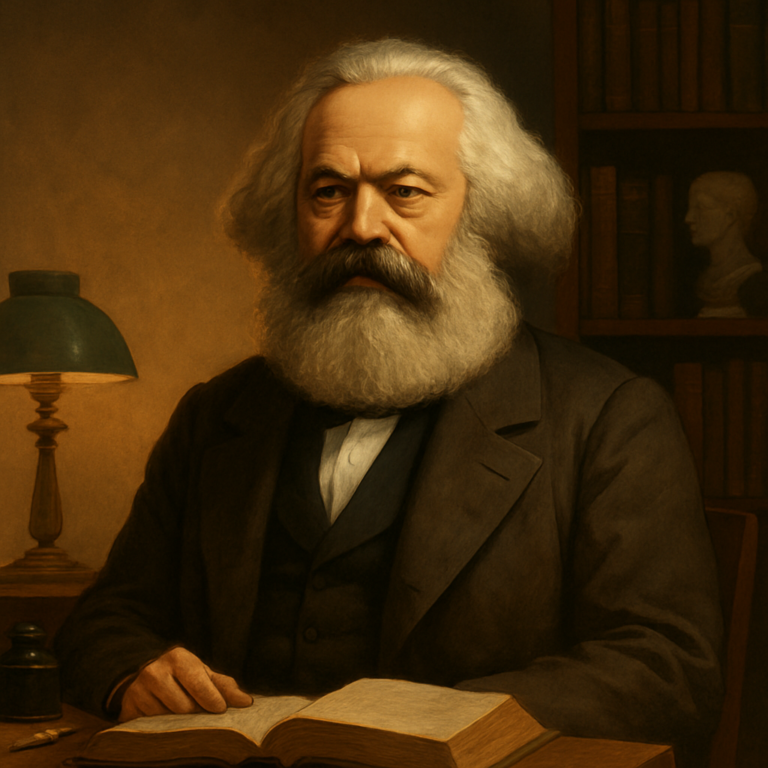
Karl Marx

Analyzes labor, capital, class, ideology, alienation, power, and historical change through materialist social critique.

Economics · Political Philosophy · Social Theory
Explore Ideas

Questions within the collection

bureaucracyauthorityrationalizationProtestant ethicdisenchantmentknowledge workmanagement by objectivesinstitutionsresponsibilityeffectiveness
Ideas

Thoughts

Continue the Conversation

Carry Economics into a living dialogue.

Begin with one thinker, or join a published debate to hear the disagreements tested live.

Explore debates
Log In