

Girth
Measurement Tips: Use a flexible tape measure (not material). Measure in centimeters. Keep tension uniform. Always measure the same point. Don't measure more than twice.
What the Girth Test Measures and Why It Matters
The Girth Test measures the circumference of key body areas to understand your body symmetry, proportions, and physical development.
Instead of only looking at weight or BMI, this test compares measurements across the body to identify how balanced your structure is. It looks at left-right symmetry in areas such as the calves, quads, forearms, and biceps, while also reviewing larger body proportions such as shoulders, chest, waist, hips, bum, and neck.
This matters because body measurements can reveal patterns that weight alone cannot show. A person may weigh the same over time, but their body shape, muscle balance, waist size, and limb development may change significantly.
The Girth Test is especially useful for identifying:
- Left-right muscle imbalances
- Upper vs lower body proportional differences
- Waist, shoulder, chest, and hip balance
- General physical development trends
- Areas that may need more focused training or lifestyle attention
It is not designed to diagnose medical conditions. Instead, it gives you a practical snapshot of your body structure so you can track progress and make more informed health and fitness decisions.
How the Test Works and Its Accuracy
The test uses a flexible measuring tape to record measurements in centimeters across multiple body areas, including the calves, quads, forearms, biceps, shoulders, chest, waist, hips, bum, and neck.
Your result is calculated using three main scoring areas:
Bilateral Symmetry
This compares left and right measurements, such as left calf vs right calf or left bicep vs right bicep. Large differences may suggest muscular imbalance or uneven training patterns.
Proportional Balance
This looks at key body ratios, such as waist-to-shoulder, chest-to-waist, and quad-to-calf balance. These help show how evenly your body is developing overall.
Development Level
This compares your measurements against height-adjusted reference ranges to estimate overall development.
For best accuracy:
- Use a flexible, non-stretch measuring tape
- Measure in centimeters
- Keep tape tension consistent
- Measure the same point each time
- Stay relaxed rather than flexing
- Avoid measuring repeatedly until you get a “better” number
This test is most powerful when repeated over time. A single result gives a snapshot, while repeated results show trends.
How to Interpret Results
Your result is shown as a score out of 5, with supporting breakdowns for symmetry, proportions, and development.
A higher score generally means your measurements are more balanced across the body. A lower score may indicate stronger left-right differences, uneven proportions, or underdeveloped areas compared with the rest of your body.
The result may highlight:
- Your worst left-right imbalance
- Areas where proportions need attention
- Whether your overall development is excellent, good, average, below average, or poor
The goal is not to chase a perfect body shape. The goal is to understand where your body may be balanced, where it may be compensating, and what areas could benefit from more focused training or lifestyle changes.
Practical Guidance for Users
Use the Girth Test as a tracking tool, not a judgement tool.
For best results, repeat the test every 2–4 weeks under similar conditions. Try to measure at the same time of day and avoid comparing results taken after heavy exercise, large meals, dehydration, or unusual bloating.
If your result shows a left-right imbalance, consider adding more unilateral exercises such as single-arm rows, split squats, lunges, single-leg deadlifts, or single-arm presses.
If your result shows proportional imbalance, focus on balanced full-body training instead of overworking only one area.
For the clearest picture, combine this test with other assessments such as BMI, pushups, situps, plank, balance, resting heart rate, water intake, and walking fitness.
Small changes in waist, limb, or symmetry measurements can be meaningful even when the scale does not move.
Log in to save your data
Track assessment results, compare progress, and keep your health profile connected across tools.
Movements that may pair well with this test result and help guide your next training step.
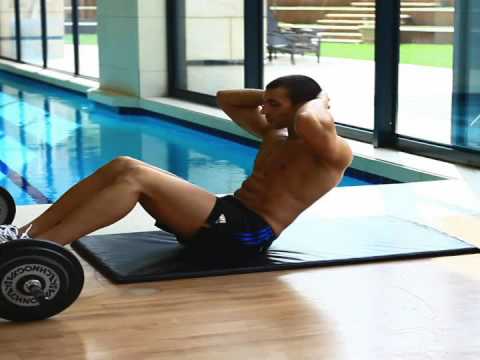 Sit ups
: Exercise Guide Overview Sit ups are a slow, controlled exercise focusing primarily on strengthening the abdominal…
Sit ups
Sit ups: Exercise Guide Overview Sit ups are a slow, controlled exercise focusing primarily on strengthening the abdominal…
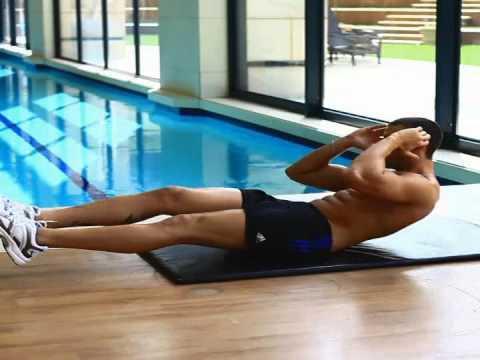 Alternating sit ups
: Exercise Guide Overview Alternating sit ups are a slow, controlled movement primarily targeting the abdominal…
Alternating sit ups
Alternating sit ups: Exercise Guide Overview Alternating sit ups are a slow, controlled movement primarily targeting the abdominal…
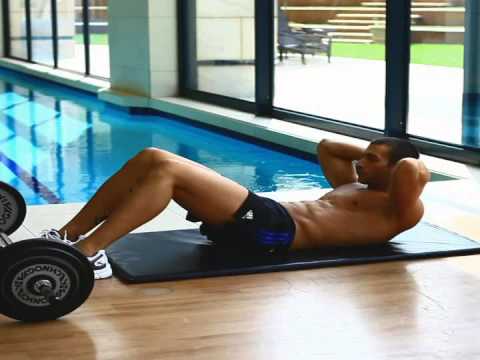 Crunches
: Exercise Guide Overview Crunches are a slow, controlled exercise designed to strengthen the abdominal muscles. This movement…
Alternating sit ups
Alternating sit ups: Exercise Guide Overview Alternating sit ups are a core-strengthening exercise that focuses on the abdominal…
Crunches
Crunches: Exercise Guide Overview Crunches are a slow, controlled exercise designed to strengthen the abdominal muscles. This movement…
Alternating sit ups
Alternating sit ups: Exercise Guide Overview Alternating sit ups are a core-strengthening exercise that focuses on the abdominal…
Food ideas selected to support the bigger health picture around this assessment.
Short reads that add useful context without sending you on a research expedition.
 Is Your Gut Trying to Tell You Something Important?
Gastrointestinal health is often overlooked, yet it plays a crucial role in our overall well-being. Many people experience…
Is Your Gut Trying to Tell You Something Important?
Gastrointestinal health is often overlooked, yet it plays a crucial role in our overall well-being. Many people experience…
 Is Your Body Keeping Score? The Hidden Impact of Trauma
Trauma can leave invisible scars that affect our bodies and minds. Many people don’t realize how deeply past…
Is Your Body Keeping Score? The Hidden Impact of Trauma
Trauma can leave invisible scars that affect our bodies and minds. Many people don’t realize how deeply past…
 Can Simple Habits Transform Your Health After 50?
As we age, our bodies undergo various changes, and maintaining our health becomes more crucial than ever. However,…
Can Simple Habits Transform Your Health After 50?
As we age, our bodies undergo various changes, and maintaining our health becomes more crucial than ever. However,…
 Is Your Prostate Health Keeping You Up at Night?
Prostate health is a topic that often gets pushed to the back burner, but it’s crucial for men…
Is Your Prostate Health Keeping You Up at Night?
Prostate health is a topic that often gets pushed to the back burner, but it’s crucial for men…
Girth Measurement Frequently Asked Questions
A measuring tape, a few landmarks, and the ongoing quest to not pull it like a seatbelt.
What does this girth test save?
It saves the body measurements entered for the test, while also keeping height and weight context when available. Common tracked areas include calves, quads, arms, shoulders, chest, waist, hips, bum, and neck.
How tight should the tape be?
Snug but not digging in. If the tape leaves a dramatic indentation, it has stopped measuring and started negotiating.
Why measure both left and right limbs?
Left-right measurements can reveal asymmetry. Small differences are normal; larger changes may guide training focus or prompt a closer look.
When should I measure?
Use the same time of day and similar conditions. Food, hydration, exercise, and posture can change measurements more than people expect.
What should I compare over time?
Look at trends by site rather than obsessing over one reading. Tape measurements are great for context alongside BMI, calipers, strength tests, and how you feel.