

Walk/Run Test
Log in to save your data
Track assessment results, compare progress, and keep your health profile connected across tools.
Movements that may pair well with this test result and help guide your next training step.
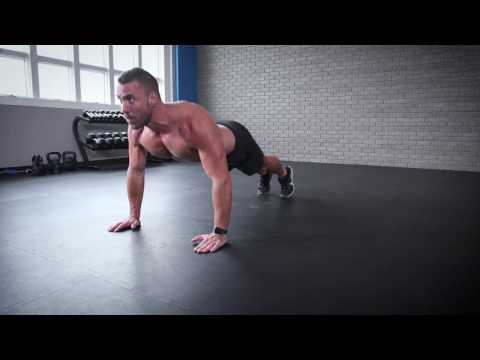 Pushup to box jump
: Exercise Guide Overview The Pushup to box jump is an explosive movement that combines…
Pushup to box jump
Pushup to box jump: Exercise Guide Overview The Pushup to box jump is an explosive movement that combines…
 Burpee sprints
: Exercise Guide Overview Burpee sprints are a dynamic and explosive exercise that combines the traditional burpee…
Burpee sprints
Burpee sprints: Exercise Guide Overview Burpee sprints are a dynamic and explosive exercise that combines the traditional burpee…
 Burpees
: Exercise Guide Overview Burpees are a bodyweight exercise designed to enhance fitness through a slow, controlled movement…
Burpees
Burpees: Exercise Guide Overview Burpees are a bodyweight exercise designed to enhance fitness through a slow, controlled movement…
 Hop heel kicks
: Exercise Guide Overview Hop heel kicks are an explosive movement designed to improve overall fitness…
Hop heel kicks
Hop heel kicks: Exercise Guide Overview Hop heel kicks are an explosive movement designed to improve overall fitness…
Food ideas selected to support the bigger health picture around this assessment.
Short reads that add useful context without sending you on a research expedition.
 Are You Ignoring Your Flexibility? Here’s Why It Matters!
Flexibility often takes a backseat in our fitness routines, yet it plays a crucial role in our overall…
Are You Ignoring Your Flexibility? Here’s Why It Matters!
Flexibility often takes a backseat in our fitness routines, yet it plays a crucial role in our overall…
 Can Nature Be Your Gym? Discover the Benefits of Outdoor Workouts
In a world increasingly dominated by indoor fitness trends, the great outdoors offers a refreshing alternative for those…
Can Nature Be Your Gym? Discover the Benefits of Outdoor Workouts
In a world increasingly dominated by indoor fitness trends, the great outdoors offers a refreshing alternative for those…
 Are You Ignoring These Signs of Overtraining in Your Fitness Routine?
Overtraining can sneak up on even the most dedicated athletes and fitness enthusiasts. Understanding the subtle signs and…
Are You Ignoring These Signs of Overtraining in Your Fitness Routine?
Overtraining can sneak up on even the most dedicated athletes and fitness enthusiasts. Understanding the subtle signs and…
 Is Your Heart at Risk? The Hidden Dangers of High Blood Pressure
High blood pressure, often dubbed the ‘silent killer,’ affects millions without them even knowing. Understanding how to manage…
Is Your Heart at Risk? The Hidden Dangers of High Blood Pressure
High blood pressure, often dubbed the ‘silent killer,’ affects millions without them even knowing. Understanding how to manage…
Walk/Run Frequently Asked Questions
Distance, time, and lungs having a meeting about your current fitness situation.
What does this walk/run test save?
It saves the test type or method when available, plus time or duration, distance, and unit. The history view also standardizes distance so progress graphs behave themselves.
Should I use the same route?
Yes, if possible. Hills, wind, surface, traffic lights, and dramatic playlist choices can all change the result. Same route means cleaner comparison.
Does walking count?
Absolutely, if the test allows it. Walking fitness is still fitness. The important part is recording the method honestly so future-you is not decoding a mystery novel.
How hard should I go?
Follow the test instructions and your current ability. You want a useful effort, not a heroic collapse into the nearest patch of regret.
What should I compare over time?
Compare distance covered, time taken, or pace under similar conditions. The trend is the treasure; one windy day is just weather with opinions.