Opening positions



Round 2
Closing synthesis
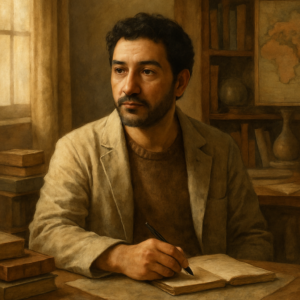
Central fault line:
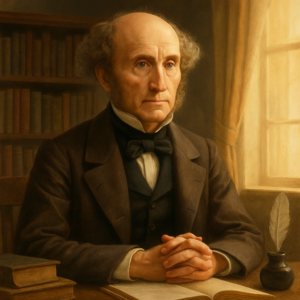
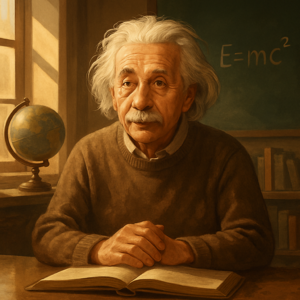
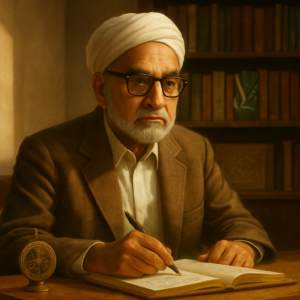
The central philosophical fault line in this debate lies in how each thinker perceives the role of dissent and diversity of opinion in a democracy. Mill emphasizes the prevention of societal tyranny through the protection of minority rights. Einstein focuses on the necessity of individual reasoning to foster innovation and prevent detrimental conformity. Rahman highlights the ethical dimensions of decision-making and the realpolitik of power dynamics that might distort the free exchange of ideas.
What survived challenge:
Mill's assertion that a democracy's health relies on diverse opinions remains robust, as it underscores a fundamental democratic principle. Einstein's concern about the stifling effects of groupthink on innovation is also unchallenged, illustrating the necessity of independent analysis in achieving progress. Rahman's focus on structural inequalities and the ethics of decision-making stands firm, reminding us of the complexities in ensuring a truly democratic discourse.
Assumptions under pressure:
Mill's assumption that free expression alone will naturally lead to truth is contested by both Einstein and Rahman. Einstein challenges the idea that diversity of opinion is sufficient without addressing how modern information systems can skew public discourse. Rahman adds that Mill's model fails to account for power imbalances that can undermine the marketplace of ideas. These critiques suggest that Mill's model might be overly simplistic in today's complex media landscape.
Unresolved question:
How can modern democracies effectively balance the protection of diverse opinions with the need to mitigate the risks of misinformation and structural power imbalances that distort discourse? This question remains unanswered, as each thinker highlights different facets of the problem without offering a comprehensive solution.
Why it matters now:
In an era where information spreads rapidly and the influence of social media is pervasive, understanding the dynamics of groupthink and its impact on democracy is crucial. The unresolved question challenges societies to find ways to protect free expression while ensuring that discourse remains constructive and representative of diverse perspectives. The debate encourages ongoing reflection on how democracies can adapt to these challenges, emphasizing the importance of vigilance in protecting democratic values.