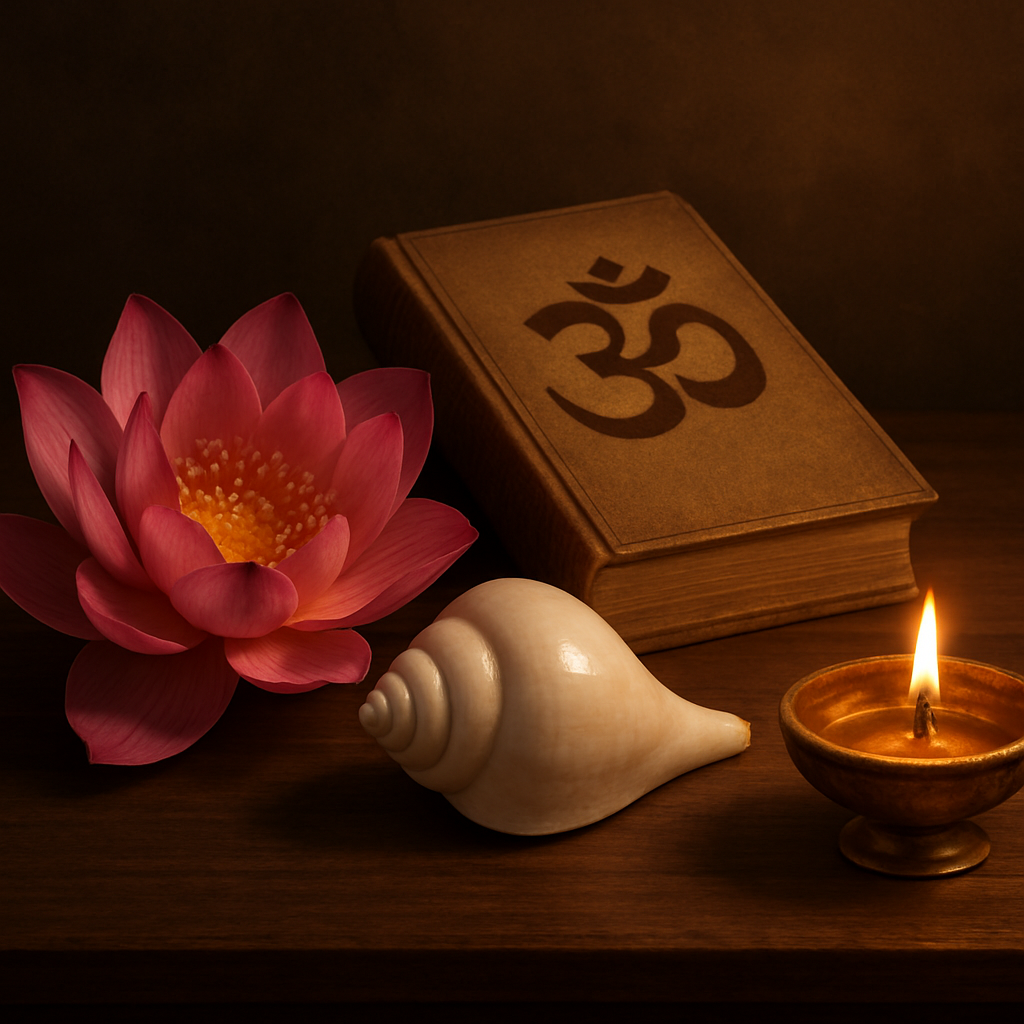
Introduction: The Rich Tapestry of Hindu Teachings
Hinduism is a vast and intricate tradition that encompasses a multitude of beliefs, practices, and philosophies. At its core, it offers paths that lead to spiritual awakening, personal discipline, and a harmonious life. This article invites you to explore the teachings of Vedanta, the wisdom of the Bhagavad Gita, the insights of the Upanishads, and the principles of dharma and karma, all while honoring the divine in its various forms, including Shiva, Vishnu, Devi, Surya, and Ganesha.
Understanding Vedanta: The Essence of Knowledge
Vedanta, meaning “the end of the Vedas,” is one of the six orthodox schools of Hindu philosophy. It emphasizes the ultimate reality (Brahman) and the nature of the self (Atman). Vedanta teaches us that the self is not separate from the divine; rather, it is a manifestation of the same ultimate reality. This understanding encourages us to seek knowledge and wisdom, leading to liberation (moksha).
The Role of the Upanishads
The Upanishads are ancient texts that form the philosophical backbone of Vedanta. They explore profound questions about existence, consciousness, and the nature of the universe. Through dialogues between teacher and student, the Upanishads guide us toward self-realization. They invite us to reflect on our purpose and our relationship with the cosmos.
Philosophical Reflection Questions
- What does the concept of Brahman mean to you in your daily life?
- How can you cultivate a deeper understanding of your own Atman?
- In what ways do the teachings of the Upanishads resonate with your personal experiences?
The Bhagavad Gita: A Dialogue of Duty and Devotion
The Bhagavad Gita, often referred to simply as the Gita, is a dialogue between Prince Arjuna and Lord Krishna. It addresses the moral and philosophical dilemmas faced by Arjuna on the battlefield. The Gita teaches the importance of dharma (righteous duty) and the paths of devotion (bhakti), knowledge (jnana), and disciplined action (karma yoga).
Key Teachings of the Gita
Among the key teachings of the Gita is the idea that one must act according to their dharma without attachment to the results. This principle encourages us to engage fully in our responsibilities while maintaining an inner sense of detachment. The Gita also emphasizes the importance of devotion and surrender to the divine, reminding us that we are never alone in our struggles.
Personal Reflection Questions
- What does dharma look like in your own life?
- How can you practice the principle of non-attachment in your daily actions?
- In what ways can you deepen your sense of devotion to a higher power?
Dharma and Karma: The Interconnectedness of Actions
Dharma and karma are foundational concepts in Hindu philosophy. Dharma refers to the ethical and moral duties that guide our actions, while karma signifies the law of cause and effect. Every action we take has consequences, shaping our present and future experiences.
Living in Accordance with Dharma
Understanding and living in accordance with one’s dharma is essential for personal and societal harmony. Each individual’s dharma may vary based on their stage of life, responsibilities, and capacities. It is a dynamic principle that encourages us to adapt and grow.
The Cycle of Karma
Karma teaches us to reflect on our actions and their impact on ourselves and others. By embracing the concept of karma, we become more mindful of our choices and their implications. This awareness can lead to a more compassionate and responsible way of living.
Reflective Questions on Dharma and Karma
- How do you discern your personal dharma in your life?
- What actions can you take to create positive karma?
- How do you respond to the consequences of your past actions?
Yoga: The Pathway to Union
Yoga is more than just physical postures; it is a holistic practice that integrates the mind, body, and spirit. Grounded in ancient texts, yoga serves as a pathway to self-discovery and spiritual growth. The different paths of yoga—such as Bhakti Yoga (devotion), Karma Yoga (selfless action), and Jnana Yoga (knowledge)—provide various approaches to connect with the divine.
The Transformative Power of Yoga
Engaging in yoga can lead to a profound transformation, fostering awareness, inner peace, and a sense of unity with the universe. Through regular practice, individuals can cultivate discipline, enhance their physical well-being, and deepen their spiritual connection.
Reflections on Your Yoga Practice
- What aspects of yoga resonate most with you?
- How can you incorporate yoga philosophy into your daily life?
- What changes have you noticed in yourself through your yoga practice?
Devotion in Hinduism: A Personal Journey
Devotion, or bhakti, is a central theme in Hindu spirituality. It encourages a personal relationship with the divine, transcending rituals and dogmas. Bhakti can manifest through prayer, singing, and selfless service, allowing individuals to express their love and reverence for the divine.
The Diversity of Devotion
Hinduism embraces a rich diversity of devotional practices, each offering unique expressions of faith. From the vibrant chants dedicated to Ganesha to the serene offerings to Devi, each form of devotion serves to deepen one’s connection with the divine.
Questions for Personal Devotion
- What role does devotion play in your spiritual life?
- How do you express your love for the divine?
- What insights have you gained through your devotional practices?
Spiritual Reflection: Finding Your Path
In the pursuit of spiritual growth, reflection is crucial. Taking time to contemplate the teachings of Hindu philosophy, the Bhagavad Gita, and the Upanishads can illuminate your path. Each individual’s journey is unique, and self-inquiry can lead to deeper understanding and connection with the divine.
Practical Reflection Practices
- Set aside time each day for quiet reflection or meditation.
- Journaling your thoughts and insights can help clarify your spiritual journey.
- Engage in discussions with others in your community to share experiences and insights.
Conclusion: Embracing the Journey
Hindu teachings offer a rich tapestry of wisdom that encourages us to explore our spirituality with curiosity and respect. By honoring the diverse paths within the tradition and engaging with its core principles, we can cultivate a balanced and fulfilling spiritual life. As you embark on this journey, remember to consult local religious leadership for guidance tailored to your unique circumstances. May your exploration of these teachings lead you to deeper understanding and connection with the divine.