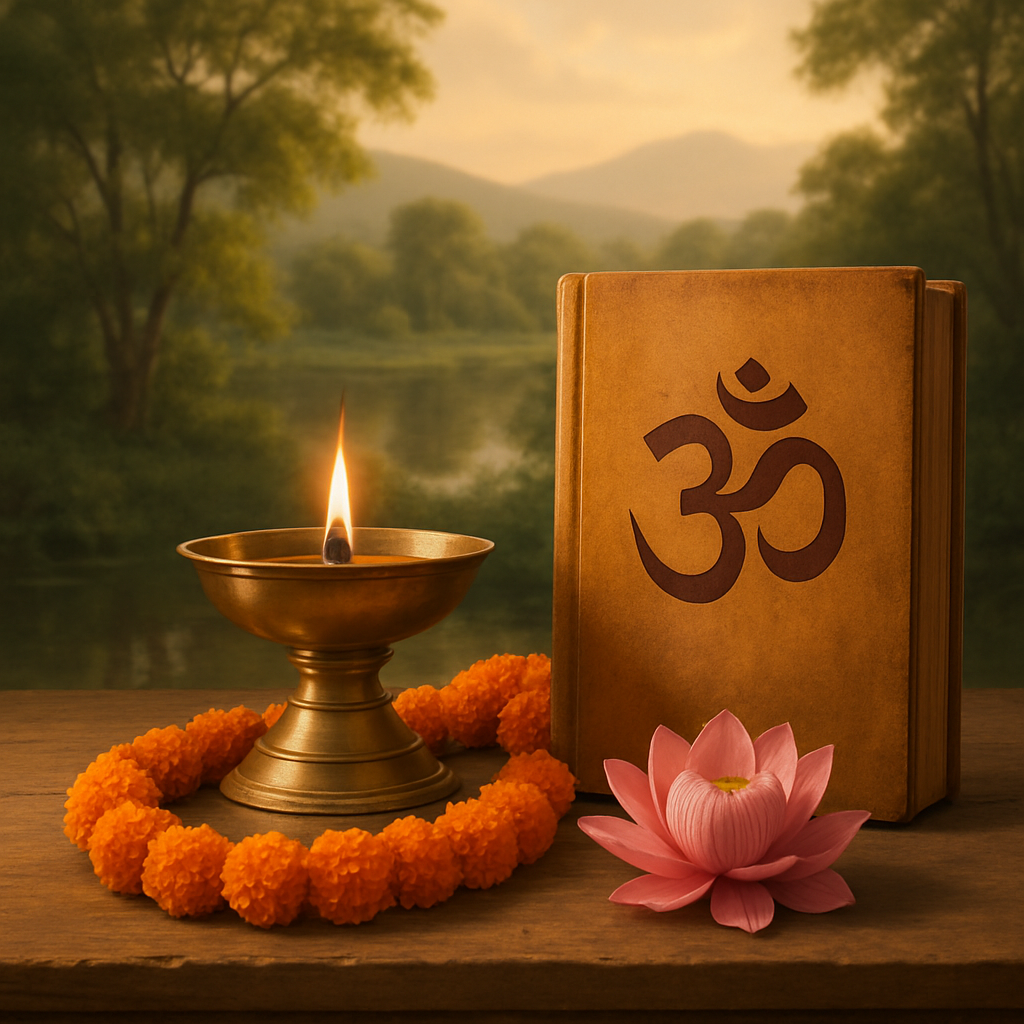
Introduction to Hindu Teachings
In the vast tapestry of Hindu philosophy and spirituality, there exists a profound depth that invites seekers to reflect on the nature of existence, the self, and the Divine. As a Shakta Priestess devoted to the many forms of the Divine Mother, I invite you to embark on a journey through some of the foundational teachings of Hinduism, including Vedanta, the Bhagavad Gita, Upanishadic wisdom, dharma, karma, yoga, devotion, and spiritual reflection.
Vedanta: The Philosophy of the Ultimate Reality
Vedanta, one of the six classical schools of Hindu philosophy, translates to “the end of the Vedas.” It delves into the nature of Brahman, the ultimate reality, and explores the relationship between the individual soul (Atman) and Brahman. This philosophy emphasizes the idea that understanding our true nature leads to liberation (moksha).
The Three Schools of Vedanta
- Advaita Vedanta: Advocated by Adi Shankaracharya, this non-dualistic approach teaches that the individual soul and Brahman are one and the same.
- Vishishtadvaita: Proposed by Ramanuja, this qualified non-dualism acknowledges a personal God and emphasizes devotion.
- Dvaita: Championed by Madhvacharya, this dualistic perspective posits a clear distinction between the individual soul and the Supreme Being.
The Bhagavad Gita: A Dialog of Duty and Devotion
The Bhagavad Gita, often considered the essence of Hindu thought, is a conversation between Prince Arjuna and Lord Krishna, who serves as his charioteer. This sacred text addresses the moral and philosophical dilemmas faced by individuals in the pursuit of righteousness.
Key Themes in the Bhagavad Gita
- Dharma: The concept of duty, which varies based on one’s position and circumstances in life. Understanding and fulfilling our dharma is essential for harmony.
- Karma: The law of cause and effect, which teaches that our actions have consequences. Engaging in selfless action (karma yoga) purifies the heart.
- Devotion: Bhakti, or love for the Divine, is a powerful theme in the Gita, encouraging devotees to surrender to God with faith and love.
Upanishadic Wisdom: The Search for Truth
The Upanishads, the concluding part of the Vedas, are a collection of philosophical texts that explore profound questions about reality, the self, and the nature of the Divine. They emphasize direct experience and personal realization.
Core Concepts in the Upanishads
- Atman: The individual self, which is eternal and identical with Brahman, the universal soul.
- Brahman: The ultimate reality that transcends description and duality, understood through meditation and spiritual practice.
- Maya: The illusion that veils our perception of reality, which can be pierced through knowledge and self-inquiry.
Dharma: The Path of Righteousness
Dharma, often translated as duty or righteousness, is a central concept in Hindu philosophy. It encompasses moral values, ethical conduct, and the responsibilities we hold towards ourselves and others.
Understanding Your Dharma
Dharma is not a one-size-fits-all concept. It varies according to age, caste, gender, and personal circumstances. Reflecting on your unique dharma can guide your actions and decisions.
Reflection Questions:
- What responsibilities do you feel resonate with your current life stage?
- How can you align your actions with your understanding of dharma?
Karma: The Law of Cause and Effect
Karma is a fundamental principle in Hinduism, reflecting the idea that every action has consequences. It teaches us to be mindful of our thoughts, words, and deeds.
The Three Types of Karma
- Sanchita Karma: The accumulated karma from past lives.
- Prarabdha Karma: The portion of karma that is currently active and influences our present life.
- Agarabhava Karma: The karma that is yet to come, based on our current actions.
Reflection Questions:
- In what ways can you cultivate positive karma in your daily life?
- How can understanding karma help you navigate challenges?
Yoga: The Path to Union
Yoga, derived from the Sanskrit word “yuj,” meaning to unite, is a spiritual practice that encompasses various paths to achieve the ultimate union with the Divine. There are several forms of yoga, each catering to different aspects of human experience.
Different Paths of Yoga
- Karma Yoga: The path of selfless action, emphasizing duty without attachment to outcomes.
- Bhakti Yoga: The path of devotion, focusing on love and surrender to God.
- Jnana Yoga: The path of knowledge and wisdom, involving study and contemplation of the scriptures.
- Raja Yoga: The royal path, often associated with meditation and the eight limbs of yoga as outlined by Patanjali.
Reflection Questions:
- Which path of yoga resonates most with you at this moment?
- How can incorporating yoga into your daily life enhance your spiritual journey?
Devotion: The Heart of Spiritual Practice
Devotion, or bhakti, is a powerful aspect of Hindu spirituality that invites us to cultivate a loving relationship with the Divine. This path emphasizes surrender, faith, and the expression of love through prayer, worship, and service.
The Role of Rituals and Worship
Rituals and worship are expressions of devotion that can deepen our connection to the Divine. They serve as reminders of our spiritual aspirations and help us create sacred spaces in our lives.
Reflection Questions:
- What practices of devotion resonate with your heart?
- How can you incorporate more expressions of love and gratitude into your daily routine?
Spiritual Reflection: A Journey Inward
Spiritual reflection is an essential aspect of any spiritual journey. It invites us to pause, look inward, and assess our thoughts, actions, and beliefs. This practice can lead to greater self-awareness and transformation.
Practices for Spiritual Reflection
- Journaling: Writing down your thoughts and feelings can provide clarity and insight.
- Meditation: Taking time to sit in silence allows for deeper connection with the self and the Divine.
- Nature Walks: Spending time in nature can inspire reflection and a sense of peace.
Reflection Questions:
- What insights have you gained from your spiritual practices?
- How can you cultivate a regular practice of reflection in your life?
Conclusion: Embracing the Journey
The teachings of Hinduism provide a rich framework for understanding ourselves and our place in the universe. Whether through the philosophical insights of Vedanta, the teachings of the Bhagavad Gita, the wisdom of the Upanishads, or the paths of yoga and devotion, each aspect invites us to engage deeply with our spiritual journey.
As you explore these teachings, remember that your path is uniquely your own. Embrace the journey with an open heart and mind, and consider seeking guidance from local religious leaders or mentors as you navigate your spiritual exploration.