
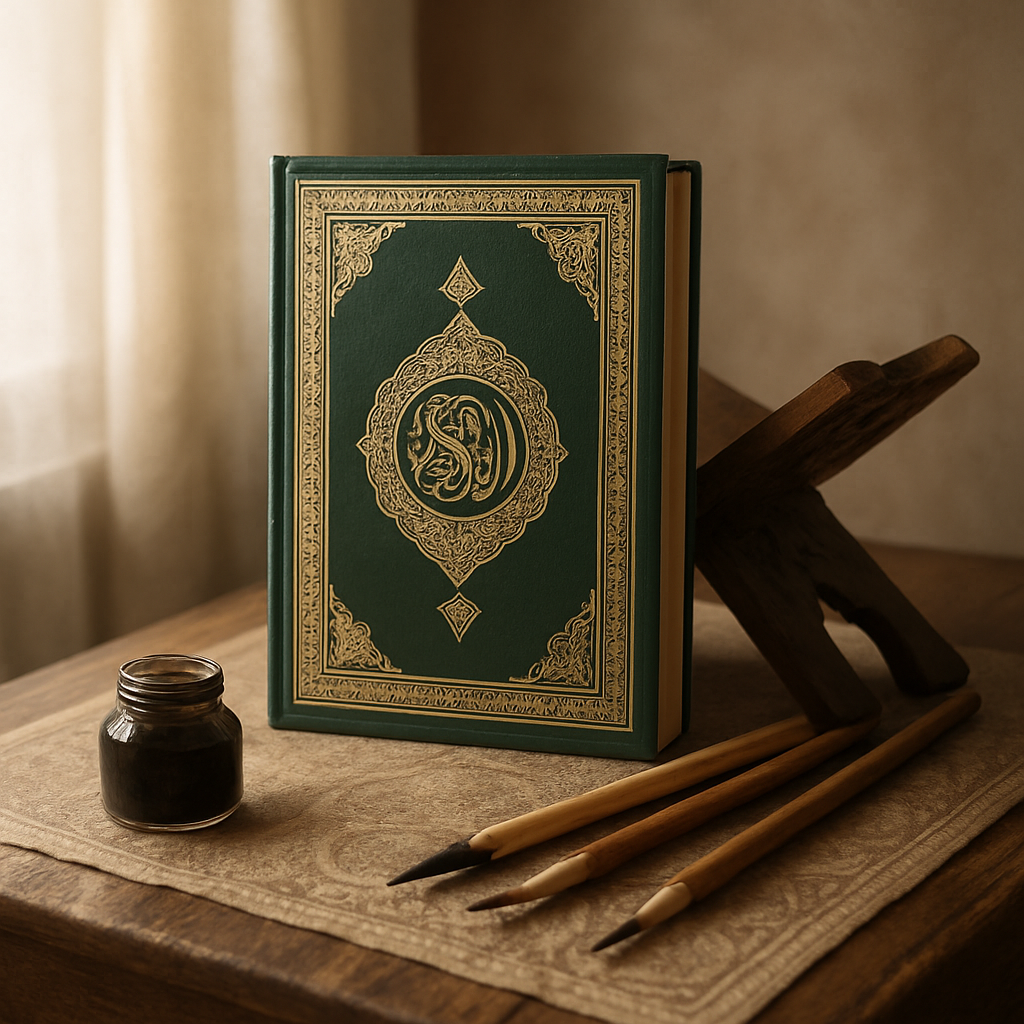
Introduction: The Essence of Islamic Teachings
Islam is a rich tapestry woven from the threads of divine guidance, human experience, and community values. Central to this fabric are the teachings derived from the Qur’an and the Sunnah, which invite us to explore the depths of knowledge, the importance of worship, the essence of mercy, and the cultivation of good character. In this article, we delve into these themes, reflecting on how they shape individual and communal life while respecting the diversity within our tradition.
The Pursuit of Knowledge
Knowledge holds a revered place in Islam, often described as a path to enlightenment and understanding. The Prophet Muhammad (peace be upon him) emphasized the importance of seeking knowledge, stating that it is an obligation upon every Muslim. This pursuit is not limited to religious knowledge; it encompasses all areas of understanding that contribute to the betterment of oneself and society.
The Qur’anic Perspective on Knowledge
The Qur’an invites reflection and contemplation, urging believers to observe the world around them. Verses such as “Read! In the name of your Lord who created…” (Qur’an 96:1) highlight the transformative power of knowledge. This initial command from Allah underscores the importance of literacy and learning, serving as a foundation for intellectual growth.
Practical Reflection Questions
- In what ways can you incorporate the pursuit of knowledge into your daily life?
- How can seeking knowledge enhance your understanding of Islam and the world?
The Importance of Worship
Worship in Islam transcends ritual; it is an expression of love, gratitude, and submission to Allah. The five pillars of Islam provide a framework for worship, guiding Muslims in their relationship with the Divine and with one another.
Worship as a Means of Connection
Prayer (Salah), fasting (Sawm), almsgiving (Zakat), pilgrimage (Hajj), and the declaration of faith (Shahada) each serve to deepen one’s connection to Allah and foster a sense of community. Through these acts, Muslims cultivate spiritual awareness and ethical behavior, reinforcing their commitment to justice, compassion, and mercy.
Practical Reflection Questions
- How do your daily acts of worship impact your relationship with Allah?
- In what ways can you enhance your worship to make it more meaningful?
The Significance of Mercy
Mercy is a fundamental attribute of Allah, repeatedly emphasized throughout the Qur’an. Understanding and embodying mercy is essential for personal growth and community harmony.
The Qur’anic Emphasis on Mercy
In the opening of every chapter of the Qur’an, we find the phrase “In the name of Allah, the Most Gracious, the Most Merciful”. This invocation sets the tone for the entire text, reminding us that mercy is at the heart of our faith. The Prophet Muhammad (peace be upon him) exemplified mercy in his interactions with others, teaching us to extend compassion to all of creation.
Practical Reflection Questions
- How can you practice mercy in your daily interactions with others?
- In what ways can embracing mercy transform your community?
Cultivating Good Character
Character is a cornerstone of Islamic teaching. The Prophet Muhammad (peace be upon him) is described as a “walking Qur’an,” embodying the ethical and moral principles laid out in the holy text. Good character is not merely about personal integrity; it reflects our commitment to justice, honesty, and respect for others.
The Role of Character in Islam
The Qur’an and Hadith encourage us to cultivate traits such as patience (Sabr), gratitude (Shukr), humility (Tawadu’), and honesty (Sidq). These qualities not only enhance individual character but also strengthen community bonds.
Practical Reflection Questions
- Which character traits do you aspire to develop further?
- How can good character influence your relationships and community life?
The Importance of Community
Islam is inherently communal, emphasizing the significance of brotherhood and sisterhood among believers. The concept of Ummah reflects the idea that Muslims are part of a larger family, bound by faith and mutual support.
The Role of Community in Personal Growth
A vibrant community encourages individual growth and fosters a sense of belonging. Engaging in communal worship, charity, and social activities strengthens ties and reinforces shared values. The Prophet Muhammad (peace be upon him) taught that the best among people are those who are most beneficial to others, highlighting the interconnectedness of individual and community well-being.
Practical Reflection Questions
- What role does your community play in your spiritual journey?
- How can you contribute positively to your community?
Respecting Differences Within the Tradition
Islam is a diverse faith, encompassing a multitude of interpretations and practices. This diversity is a source of strength, providing a rich array of perspectives on spirituality, ethics, and community life. Respecting differences among scholars, schools of thought, and cultural practices fosters a spirit of unity and cooperation.
Embracing Diversity as Strength
Engaging with various interpretations allows us to expand our understanding and appreciation of the faith. It is essential to approach these differences with humility and an open heart, recognizing that each perspective can contribute to our collective knowledge and spiritual growth.
Practical Reflection Questions
- How can you cultivate respect for diverse interpretations of Islam?
- What steps can you take to engage constructively with differing viewpoints?
Conclusion: A Lifelong Journey
Islam invites us to embark on a lifelong journey of learning, worship, and personal development. By embracing knowledge, practicing mercy, cultivating good character, and fostering community, we can navigate the complexities of life with grace and compassion. Let us remember that each step we take on this journey is an opportunity to grow closer to Allah and to one another.
As you reflect on the themes discussed, consider consulting local religious leadership for guidance on personal matters and to deepen your understanding of Islamic teachings. Each of us is on a unique path, and seeking knowledge and support can illuminate our way forward in faith and community.