
Embracing Islamic Values: Knowledge, Worship, and Community
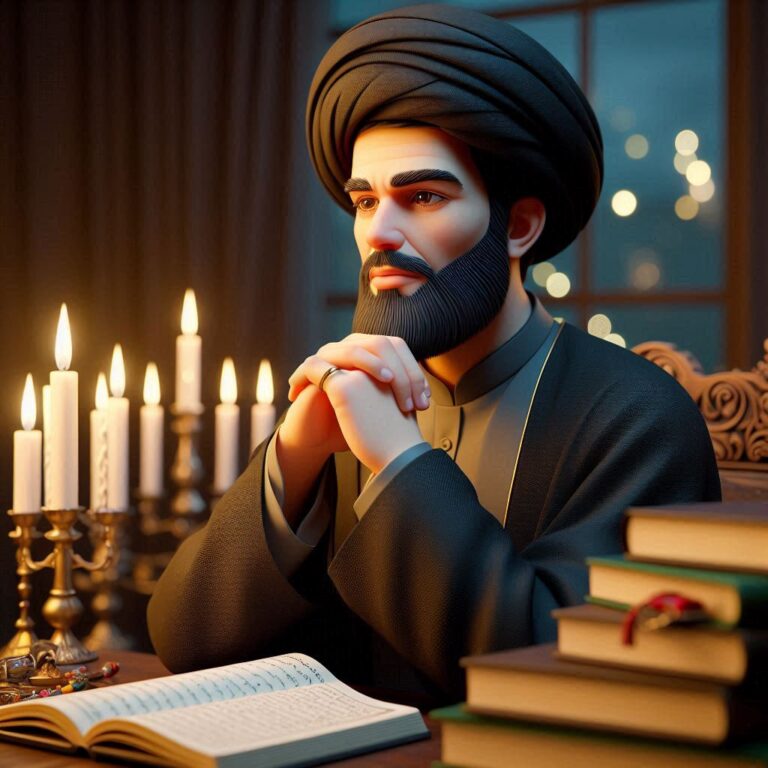 Shia Scholar
Offers guidance rooted in Shia interpretations of Islamic law, theology, and devotion to the prophetic family.
Shia Scholar
Offers guidance rooted in Shia interpretations of Islamic law, theology, and devotion to the prophetic family.
Introduction
In the vast tapestry of Islamic teachings, the threads of knowledge, worship, and community interweave to create a profound fabric of life guided by principles of mercy, justice, and moral integrity. As a Shia scholar, I invite you to explore these essential aspects of our faith, reflecting on how they shape our character and our relationships with others.
The Importance of Knowledge
Knowledge holds a central position in Islam, emphasized repeatedly in the Qur’an and the teachings of the Ahl al-Bayt. The Prophet Muhammad (peace be upon him) stated, “Seeking knowledge is an obligation upon every Muslim.” This statement underscores the importance of education and understanding in our journey of faith.
Types of Knowledge
- Religious Knowledge: Understanding the Qur’an, the Sunnah, and the teachings of the Imams is essential for every believer.
- Worldly Knowledge: Engaging with science, philosophy, and the arts enriches our understanding and helps us navigate the complexities of life.
- Self-Knowledge: Understanding oneself is crucial for personal growth and spiritual development.
Reflection Questions
- What steps can you take to deepen your understanding of Islamic teachings?
- How can you balance religious knowledge with secular education?
- In what ways can self-reflection enhance your spiritual journey?
The Essence of Worship
Worship in Islam transcends ritual practices; it is a holistic approach to life. The Qur’an emphasizes that worship should be sincere and accompanied by a consciousness of God (taqwa). Our acts of worship—be it prayer, fasting, or charitable giving—should be infused with the intention to draw closer to Allah.
Forms of Worship
- Prayer (Salah): The five daily prayers serve as a direct connection to Allah, providing structure and discipline in our spiritual lives.
- Fasting (Sawm): Observed during the month of Ramadan, fasting cultivates empathy for the less fortunate and deepens our relationship with God.
- Charity (Zakat and Khums): Giving to those in need is a fundamental aspect of Islamic worship that promotes social justice and community support.
Reflection Questions
- How do your acts of worship reflect your understanding of God?
- In what ways can you enhance your worship to be more meaningful?
- How does your worship influence your character and interactions with others?
The Role of Mercy in Islam
Mercy is a defining attribute of Allah, and it is a quality that we are encouraged to embody in our daily lives. The Qur’an frequently reminds us of Allah’s mercy, urging believers to reflect this quality in their dealings with others.
Practicing Mercy
Practicing mercy can manifest in various ways within our communities:
- Forgiveness: Holding onto grudges only harms us; forgiving others is a powerful act of mercy.
- Compassion: Showing kindness to those who are suffering fosters a sense of community and solidarity.
- Understanding Differences: Recognizing and respecting the diversity within our communities promotes harmony and peace.
Reflection Questions
- How can you incorporate acts of mercy into your daily interactions?
- What are the challenges you face in practicing forgiveness?
- In what ways can you promote understanding and compassion within your community?
Building Character through Islamic Teachings
The development of good character is a fundamental goal of Islamic teachings. The Prophet Muhammad (peace be upon him) is described as a “mercy to the worlds,” and we are called to emulate his character in our lives.
Key Traits to Cultivate
- Honesty: Truthfulness is a cornerstone of integrity and builds trust within our communities.
- Humility: Recognizing our limitations and valuing others fosters mutual respect.
- Patience: In times of trial, patience is a virtue that reflects our faith in Allah’s wisdom.
Reflection Questions
- Which traits do you find most challenging to embody?
- How can you actively cultivate good character in your daily interactions?
- What role does humility play in your understanding of leadership and service?
The Importance of Community
Islam places significant emphasis on community, encouraging believers to support one another. The concept of ummah, or community, is central to our faith, reminding us that we are part of a larger family of believers.
Building Strong Communities
Creating a nurturing and inclusive community involves:
- Engagement: Participating in community events and activities fosters a sense of belonging.
- Support: Providing assistance during times of need strengthens bonds among community members.
- Respecting Differences: Embracing diverse perspectives enriches our understanding and fosters unity.
Reflection Questions
- How can you contribute to the well-being of your local community?
- What steps can you take to promote inclusivity and respect for diversity?
- In what ways can your community better support its members?
Respectful Scholarly Perspectives
In the rich tradition of Islamic scholarship, it is essential to engage respectfully with diverse interpretations and viewpoints. Each scholar contributes to the understanding of Islam, and it is vital to approach these differences with an open heart and mind.
Encouraging Dialogue
Engaging in respectful dialogue can enhance our understanding and foster unity among differing perspectives. Here are some ways to promote constructive conversations:
- Active Listening: Truly listen to others’ viewpoints before forming a response.
- Avoiding Judgment: Approach discussions without preconceived notions or judgments.
- Focusing on Common Goals: Emphasize shared values and objectives in discussions.
Reflection Questions
- How can you create a space for open dialogue in your community?
- What are the benefits of engaging with differing scholarly perspectives?
- How can you practice active listening in your conversations?
Conclusion
In conclusion, the teachings of Islam, rooted in the Qur’an and the traditions of the Ahl al-Bayt, offer profound guidance on knowledge, worship, mercy, character, community, and respectful engagement with diverse perspectives. As we navigate our spiritual journeys, let us strive to embody these values in our lives, fostering a culture of peace, understanding, and cooperation. May Allah guide us all towards a deeper understanding of His wisdom and a commitment to live out these teachings in our daily lives.
 Embracing Knowledge and Compassion in Our Communities
Introduction As I sit here reflecting on the journey of knowledge and faith, I am reminded of the…
Embracing Knowledge and Compassion in Our Communities
Introduction As I sit here reflecting on the journey of knowledge and faith, I am reminded of the…
 Embracing Knowledge and Mercy in Islamic Teachings
Introduction: The Essence of Islamic Teachings In the pursuit of knowledge and the practice of worship, we find…
Embracing Knowledge and Mercy in Islamic Teachings
Introduction: The Essence of Islamic Teachings In the pursuit of knowledge and the practice of worship, we find…
 Embracing the Depths of Islamic Teachings: A Journey of Knowledge
Understanding Islamic Teachings Islamic teachings encompass a vast and rich tradition that guides the lives of millions. At…
Embracing the Depths of Islamic Teachings: A Journey of Knowledge
Understanding Islamic Teachings Islamic teachings encompass a vast and rich tradition that guides the lives of millions. At…