
Judah Magnes
Pressed Zionism to answer the ethical challenge of shared land and equal dignity.

Life and thought
Reflects on binationalism, peace, Jewish-Arab coexistence, university life, moral Zionism, and the risks of militarized nationalism.
Judah Magnes is presented in the Thought archive through political thought, american jewish / israeli, united states / palestine, modern. The recorded life dates are 1877–1948. The profile connects this work to Ethics, Jewish Thought, Peace Studies, Political Philosophy.
The central questions gathered here concern binationalism, coexistence, peace, moral Zionism, education. Together they show the recurring problems, methods, and distinctions that define this thinker’s contribution.
Judah Magnes developed within an intellectual conversation shaped by Jewish ethics, pacifism, Zionist debates. These names provide context for the traditions and problems surrounding the work; they do not imply simple agreement.
The surviving reading path begins with speeches, Hebrew University writings, Ihud advocacy. The recorded legacy extends toward peace movements, Hebrew University, binational thought.
Five Defining Theories
The central ideas, methods, and arguments that give this thinker’s work its distinctive shape.
binationalism
A central idea in this thinker’s work, method, and intellectual legacy.
coexistence
A central idea in this thinker’s work, method, and intellectual legacy.
peace
A central idea in this thinker’s work, method, and intellectual legacy.
moral Zionism
A central idea in this thinker’s work, method, and intellectual legacy.
education
A central idea in this thinker’s work, method, and intellectual legacy.
Life journey
A structured path through the verified context attached to this profile.
Context
1877–1948 · United States / Palestine · Modern
Intellectual formation
The recorded influences include Jewish ethics, pacifism, Zionist debates.
Defining ideas
The profile centres on binationalism, coexistence, peace, moral Zionism, education.
The work
A reading path through speeches, Hebrew University writings, Ihud advocacy.
Lasting influence
The recorded influence reaches peace movements, Hebrew University, binational thought.
In time
Major Works
Texts through which the thinker’s ideas entered the wider intellectual record.
speeches
This work matters because it carries a central part of the thinker’s method, argument, or intellectual legacy into a form readers can examine directly.
Hebrew University writings
This work matters because it carries a central part of the thinker’s method, argument, or intellectual legacy into a form readers can examine directly.
Ihud advocacy
This work matters because it carries a central part of the thinker’s method, argument, or intellectual legacy into a form readers can examine directly.
Influence network
Trace the intellectual lineage into and beyond this thinker.
Selected quotations
Peace is not weakness.
A university must serve truth before power.
There are two peoples in the land.
Moral victory is not won by domination.
Coexistence is a discipline, not a slogan.
Schools of thought
Ethics
Explore the thinkers and ideas connected to this tradition.
Explore school J20 thinkersJewish Thought
Explore the thinkers and ideas connected to this tradition.
Explore school P4 thinkersPeace Studies
Explore the thinkers and ideas connected to this tradition.
Explore school P185 thinkersPolitical Philosophy
Explore the thinkers and ideas connected to this tradition.
Explore schoolConnected Thinkers
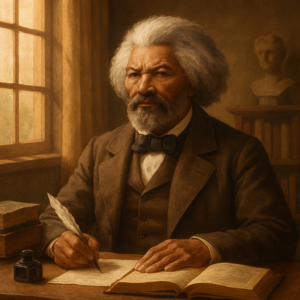
Frederick Douglass
SharedEthics · Political Philosophy · Political thought
View thinker →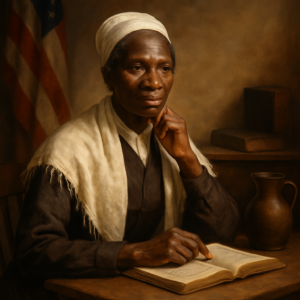
Sojourner Truth
SharedEthics · Political thought · Modern
View thinker →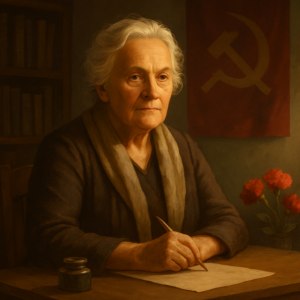
Clara Zetkin
SharedPolitical Philosophy · Political thought · Modern
View thinker →
Rosa Luxemburg
SharedPolitical Philosophy · Political thought · Modern
View thinker →
Pierre Bourdieu
SharedPolitical Philosophy · Modern
View thinker →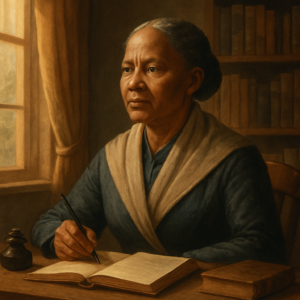
Frances Ellen Watkins Harper
SharedEthics · Modern
View thinker →Featured Debates
See how Judah Magnes’s perspective changes when it meets another mind.



Does Military Intervention Ever Truly Secure Lasting Peace?
The question of whether military intervention can ever truly secure lasting peace has long been a contentious issue. In this debate, Judah Magnes, a proponent of…
View Debate →


Can Secular Societies Sustain Moral Frameworks Without Religious Foundations?
In a world that increasingly embraces secularism, the question of whether societies can sustain moral frameworks without relying on religious foundations becomes crucial. This debate brings…
View Debate →

Do National Interests Justify Civilian Harm in Strategic Military Operations?
The complex moral landscape of military strategy often pits national interests against the sanctity of civilian life. In this debate, historical figures Judah Magnes, Sister Nivedita,…
View Debate →

The Role of Essence and Existence in Guiding Ethical AI Development
The Role of Essence and Existence in Guiding Ethical AI Development
View Debate →Continue the conversation with Judah Magnes.
Test an assumption, explore an idea, or bring this perspective into dialogue with a council of other thinkers.