
Simone de Beauvoir
Transformed feminist philosophy by analyzing womanhood, embodiment, oppression, ambiguity, and freedom.

Life and thought
Analyzes freedom, gender, ambiguity, oppression, embodiment, ethics, and the social construction of womanhood.
Simone de Beauvoir is presented in the Thought archive through philosophy, french, france, modern. The recorded life dates are 1908–1986. The profile connects this work to Ethics, Existentialism, Feminist Thought, Western Philosophy.
The central questions gathered here concern the Other, becoming woman, ambiguity, freedom, oppression. Together they show the recurring problems, methods, and distinctions that define this thinker’s contribution.
Simone de Beauvoir developed within an intellectual conversation shaped by Sartre, Hegel, Marx, existentialism. These names provide context for the traditions and problems surrounding the work; they do not imply simple agreement.
The surviving reading path begins with The Second Sex, Ethics of Ambiguity, Memoirs of a Dutiful Daughter, The Mandarins. The recorded legacy extends toward feminism, gender theory, ethics, existentialism.
Five Defining Theories
The central ideas, methods, and arguments that give this thinker’s work its distinctive shape.
the Other
A central idea in this thinker’s work, method, and intellectual legacy.
becoming woman
A central idea in this thinker’s work, method, and intellectual legacy.
ambiguity
A central idea in this thinker’s work, method, and intellectual legacy.
freedom
A central idea in this thinker’s work, method, and intellectual legacy.
oppression
A central idea in this thinker’s work, method, and intellectual legacy.
Life journey
A structured path through the verified context attached to this profile.
Context
1908–1986 · France · Modern
Intellectual formation
The recorded influences include Sartre, Hegel, Marx, existentialism.
Defining ideas
The profile centres on the Other, becoming woman, ambiguity, freedom, oppression.
The work
A reading path through The Second Sex, Ethics of Ambiguity, Memoirs of a Dutiful Daughter, The Mandarins.
Lasting influence
The recorded influence reaches feminism, gender theory, ethics, existentialism.
In time
Major Works
Texts through which the thinker’s ideas entered the wider intellectual record.
The Second Sex
This work matters because it carries a central part of the thinker’s method, argument, or intellectual legacy into a form readers can examine directly.
Read related Thought →Ethics of Ambiguity
This work matters because it carries a central part of the thinker’s method, argument, or intellectual legacy into a form readers can examine directly.
Read related Thought →Memoirs of a Dutiful Daughter
This work matters because it carries a central part of the thinker’s method, argument, or intellectual legacy into a form readers can examine directly.
Read related Thought →The Mandarins
This work matters because it carries a central part of the thinker’s method, argument, or intellectual legacy into a form readers can examine directly.
Read related Thought →Influence network
Trace the intellectual lineage into and beyond this thinker.
Selected quotations
One is not born, but rather becomes, a woman.
Change your life today.
Representation of the world is the work of men.
Freedom is the source from which all significations spring.
Self-knowledge is no guarantee of happiness.
Schools of thought
Ethics
Explore the thinkers and ideas connected to this tradition.
Explore school E22 thinkersExistentialism
Explore the thinkers and ideas connected to this tradition.
Explore school F68 thinkersFeminist Thought
Explore the thinkers and ideas connected to this tradition.
Explore school W91 thinkersWestern Philosophy
Explore the thinkers and ideas connected to this tradition.
Explore schoolConnected Thinkers
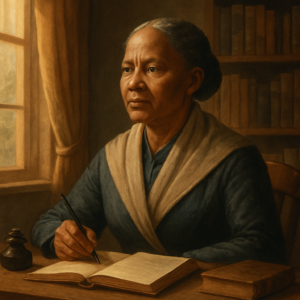
Frances Ellen Watkins Harper
SharedEthics · Feminist Thought · Modern
View thinker →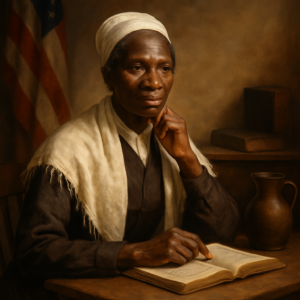
Sojourner Truth
SharedEthics · Feminist Thought · Modern
View thinker →
Patricia Hill Collins
SharedEthics · Feminist Thought
View thinker →
Émile Durkheim
SharedEthics · French · Modern
View thinker →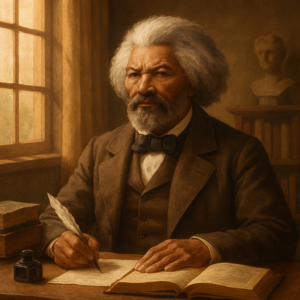
Frederick Douglass
SharedEthics · Modern
View thinker →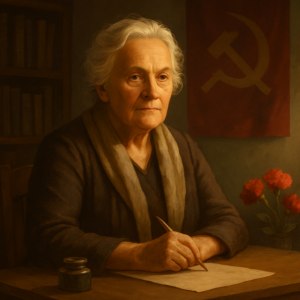
Clara Zetkin
SharedFeminist Thought · Modern
View thinker →Featured Debates
See how Simone de Beauvoir’s perspective changes when it meets another mind.



Humanity and the Natural World: Our Obligations Across Generations
Faced with escalating environmental crises and resource scarcity, humanity must critically examine its ethical obligations to future generations and the intrinsic value of nature. The central…
View Debate →

Religion, Meaning & Morality — The oldest human questions — faith and doubt, good and evil, suffering, forgiveness and the search for meaning.
Religion, Meaning & Morality — The oldest human questions — faith and doubt, good and evil, suffering, forgiveness and the search for meaning.
View Debate →

Should Education Focus on Citizenship More Than Workforce Preparation?
The purpose of education has long been contested, with different thinkers advocating varying priorities. In this debate, Jyotirao Phule, Neil Postman, and Linda Tuhiwai Smith examine…
View Debate →


Is Sovereignty a Barrier to Global Justice in Conflict Regions?
In an era where global conflicts challenge traditional notions of state sovereignty, the question arises: does the principle of sovereignty obstruct the path to global justice?…
View Debate →Continue the conversation with Simone de Beauvoir.
Test an assumption, explore an idea, or bring this perspective into dialogue with a council of other thinkers.