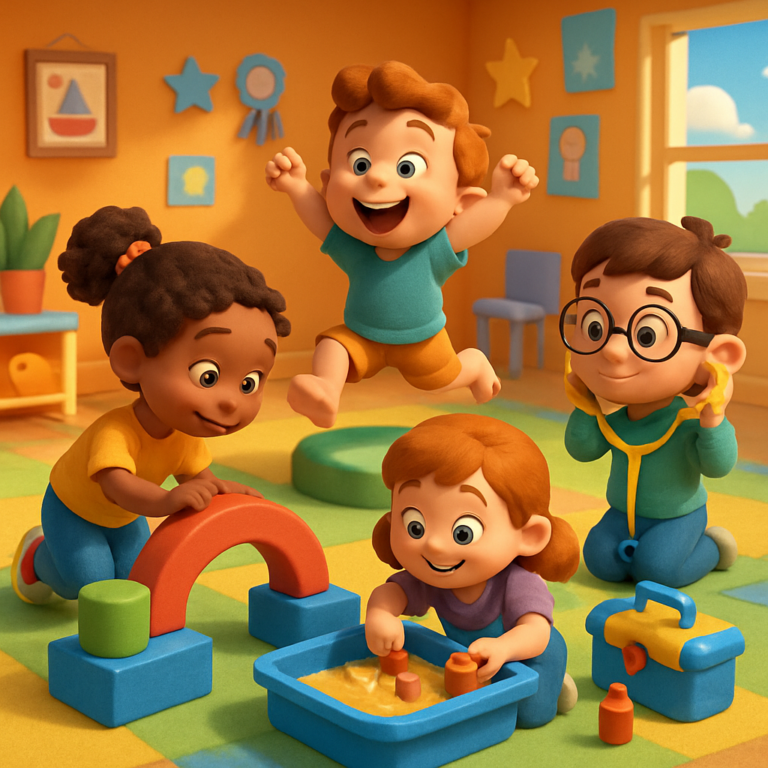
As a Pediatric Occupational Therapist, I often witness the profound impact of play on a child’s development. Play is not just a pastime; it’s a vital component of childhood that fosters growth and learning in numerous ways. Whether it’s through imaginative games, physical activities, or sensory exploration, play provides the tools children need to develop essential life skills.
The Importance of Play in Child Development
Enhancing Social Skills Through Play
Children learn to interact with their peers through play. Engaging in group activities fosters cooperation, sharing, and communication. Here are some key social skills developed through play:
- Teamwork: Working together to achieve a common goal.
- Conflict Resolution: Navigating disagreements and finding solutions.
- Empathy: Understanding and responding to the feelings of others.
Promoting Motor Skills and Coordination
Play also plays a crucial role in developing fine and gross motor skills. Activities such as building blocks or climbing can enhance:
- Fine Motor Skills: Using small muscles for tasks like writing or buttoning clothes.
- Gross Motor Skills: Engaging large muscle movements for running, jumping, and throwing.
Practical Tips for Encouraging Play at Home
- Create a Play-Friendly Environment: Set up spaces with diverse toys and activities that encourage exploration.
- Limit Screen Time: Encourage more hands-on play instead of passive screen time.
- Join in the Fun: Participate in play with your child to promote bonding and model positive social interactions.
For more insights on the role of play in child development, check out these resources:
- Mayo Clinic – Importance of Play
- WebMD – The Role of Play in Child Development
- World Health Organization – Play and Child Development
- Centers for Disease Control and Prevention – Developmental Milestones
In conclusion, play is an essential ingredient in a child’s development. By creating opportunities for play, we can significantly contribute to their social, motor, and cognitive skills. Remember, the more playful the approach, the more impactful the learning. So, let’s prioritize playtime in our children’s lives—it’s more than just fun; it’s fundamental to their growth and well-being. As we gear up for International Play Day on August 4th, let’s celebrate the joy of play and its power to enrich our children’s lives.