As we age, the challenges we face can often feel overwhelming. Emotional resilience becomes a vital skill that can help older adults navigate life transitions, health challenges, and loss. So, how can we cultivate this resilience in our loved ones or ourselves?
Building Emotional Resilience in Older Adults
Emotional resilience refers to the ability to adapt to stress and adversity. For older adults, this often involves coping with significant life changes such as retirement, the loss of loved ones, or health declines. Here are some strategies that can help enhance emotional resilience:
1. Encourage Social Connections
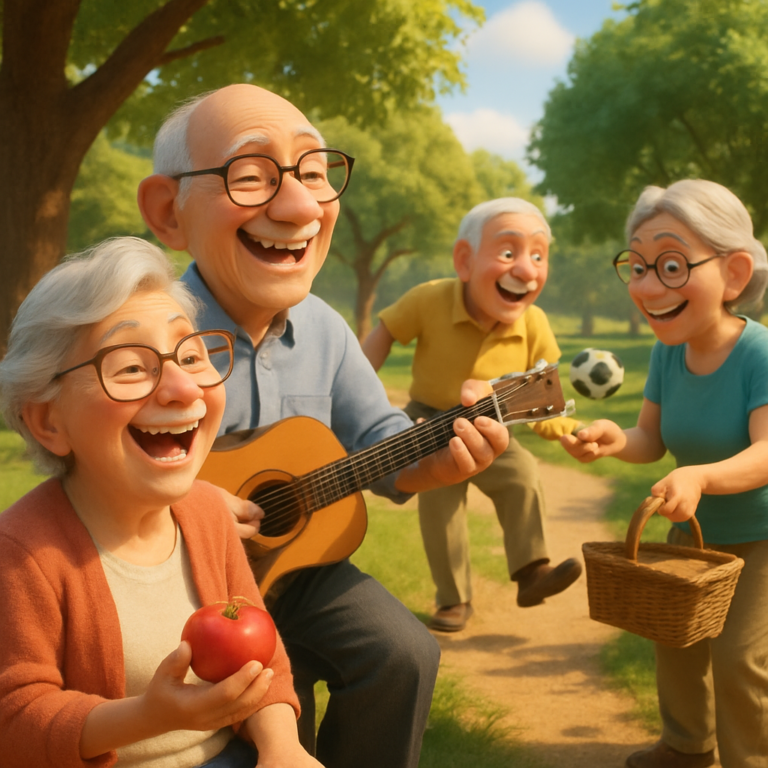
Maintaining relationships is crucial for emotional well-being. Social engagement can provide support, companionship, and a sense of belonging. Here are some ways to promote social interactions:
- Join community groups or clubs
- Participate in volunteer activities
- Use technology to stay connected with family and friends
2. Promote Physical Activity
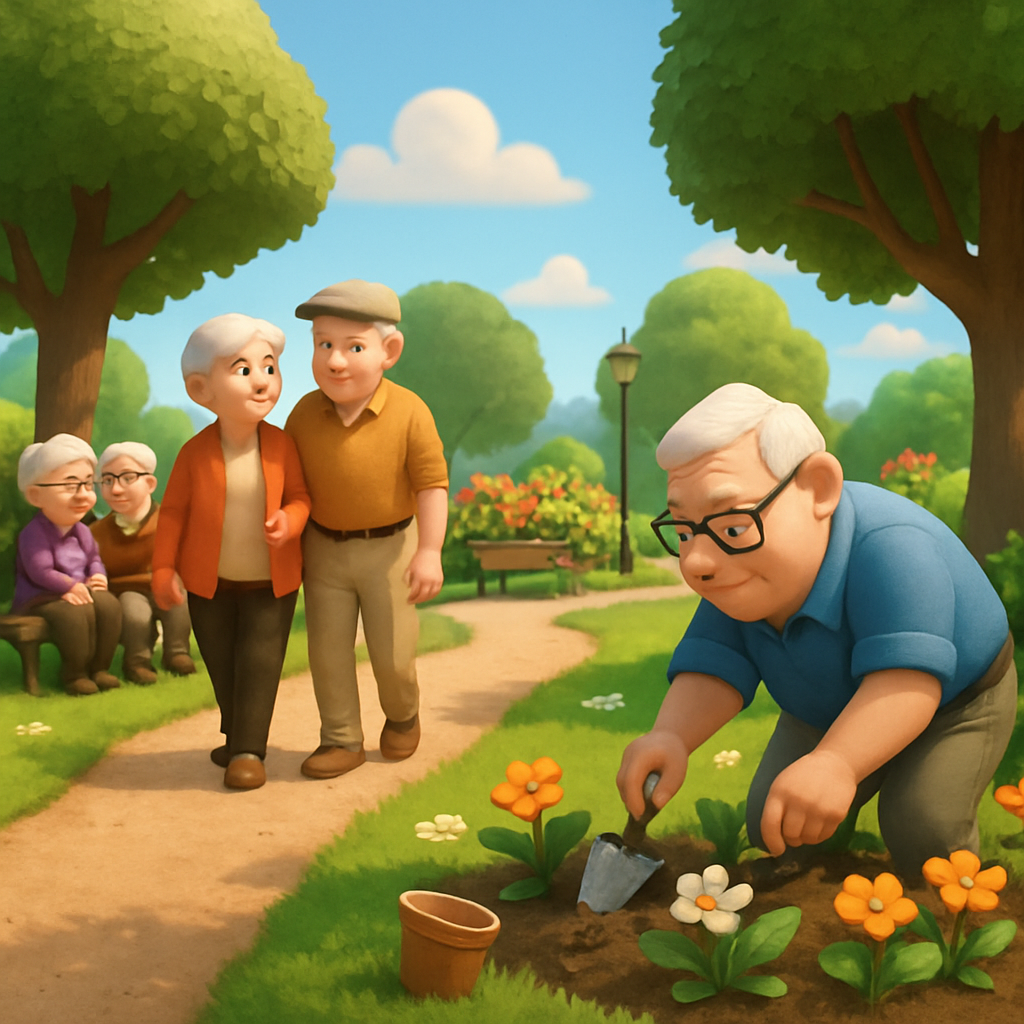
Physical health is closely linked to mental health. Regular exercise can improve mood, reduce anxiety, and enhance cognitive function. Simple activities such as walking, gardening, or even tai chi can make a significant difference. Consider these tips:
- Aim for at least 150 minutes of moderate aerobic activity each week
- Incorporate strength training exercises twice a week
- Explore outdoor activities that promote connection with nature
3. Foster a Growth Mindset
Encouraging a growth mindset can empower older adults to embrace challenges rather than fear them. This involves:
- Viewing setbacks as opportunities for learning
- Setting realistic goals and celebrating small achievements
- Engaging in lifelong learning, such as taking classes or picking up new hobbies
4. Mindfulness and Coping Strategies
Practicing mindfulness can help older adults focus on the present moment, reducing anxiety about the past or future. Techniques include:
- Deep breathing exercises
- Meditation or yoga
- Journaling thoughts and feelings
5. Professional Support
Sometimes, older adults may need additional support from mental health professionals. Therapists or counselors who specialize in geriatric psychology can provide tailored strategies to cope with emotional challenges. Resources such as the Mayo Clinic, WebMD, or WHO offer valuable information on mental health services.
Conclusion
Fostering emotional resilience is a journey that requires patience and understanding. By encouraging social connections, physical activity, a growth mindset, mindfulness, and professional support, we can help older adults navigate life’s challenges with grace and strength. Remember, it’s never too late to build resilience.
For more information on mental health in older adults, you can refer to resources from the CDC and other trusted health organizations.
Practical Advice
If you are caring for an older adult or are an older adult yourself, consider setting aside time each week for social activities, physical exercise, or mindfulness practices. Small, consistent steps can lead to remarkable changes in emotional well-being.