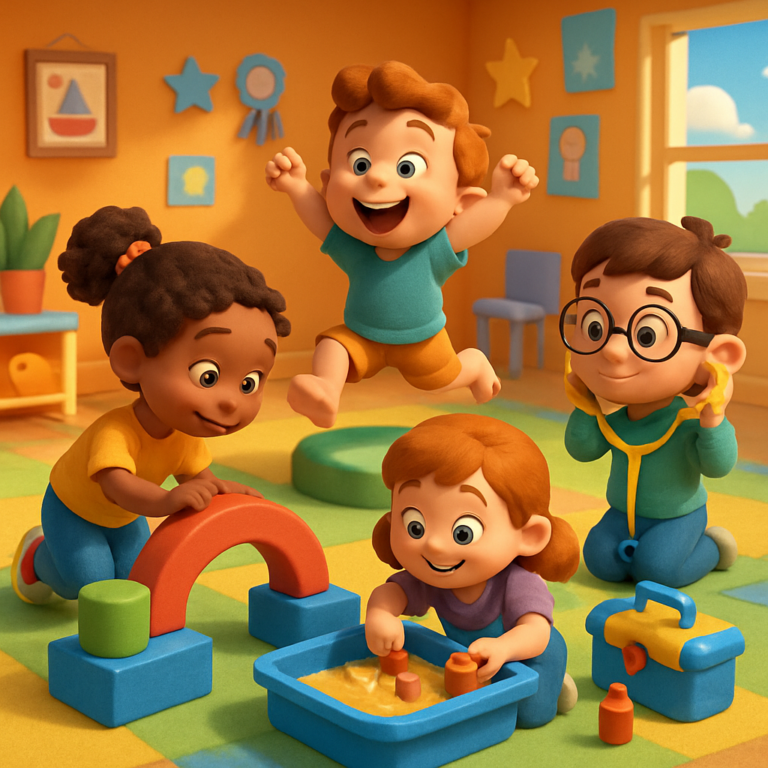
When it comes to child development, play isn’t just fun—it’s essential! Many parents might wonder how they can enhance their child’s growth through playful activities. The great news is that incorporating play into therapy can make a substantial difference for children facing developmental challenges. Let’s explore how playful interventions can boost your child’s independence and confidence.
The Power of Play in Therapy
Why Play Matters
Play is often referred to as the ‘work’ of childhood. It is through play that children learn essential skills, develop social connections, and explore their environment. Here are a few reasons why play is crucial:
- Cognitive Development: Engaging in different types of play can help improve problem-solving skills and cognitive processing.
- Physical Skills: Activities such as running, jumping, and climbing develop gross motor skills, while fine motor skills are refined through tasks like drawing and building.
- Social Skills: Play encourages interaction with peers, teaching children how to share, negotiate, and cooperate.
- Emotional Growth: Through play, children can express feelings, learn to cope with challenges, and build resilience.
Integrating Play into Occupational Therapy
As a Pediatric Occupational Therapist, I design interventions that are both fun and functional. Here are a few examples of how play can be integrated into therapy:
- Obstacle Courses: Set up an obstacle course using cushions, chairs, and toys. This helps improve coordination and balance while keeping it engaging.
- Art and Craft Activities: Activities like painting, cutting, and pasting enhance fine motor skills and encourage creativity.
- Role Play: Using dolls or costumes for role play can help children develop social skills and practice real-life scenarios in a safe environment.
- Outdoor Games: Nature scavenger hunts or simple games like tag can improve physical fitness and promote sensory experiences.
Incorporating these strategies into your child’s routine can transform the way they interact with their environment and themselves.
Recognizing Developmental Delays
It’s vital for parents to be aware of developmental milestones. If you notice delays in areas such as communication, motor skills, or social interactions, it may be time to seek professional guidance. The CDC provides a helpful developmental milestones checklist for parents.
Additionally, the Mayo Clinic emphasizes that early intervention can lead to better outcomes for children with developmental issues. You can learn more about this in their article on developmental disorders.
Resources for Parents
Here are some trusted resources to help you navigate your child’s developmental journey:
- CDC – Act Early Campaign for monitoring developmental milestones.
- Mayo Clinic – Comprehensive information on child development and health.
- WebMD – Articles focused on children’s health and wellness.
- World Health Organization (WHO) – Global resources on child health and development.
Practical Tips for Parents
As you embark on this journey, here are some practical tips to enhance your child’s play experiences:
- Create a Safe Play Environment: Ensure the area is safe for exploration while allowing freedom of movement.
- Encourage Imaginative Play: Provide open-ended toys that inspire creativity, such as blocks or art supplies.
- Limit Screen Time: Promote active play over passive screen time to foster engagement and interaction.
- Join in the Fun: Participate in play with your child to reinforce bonding and provide guidance through play.
Incorporating playful activities into your child’s routine can create opportunities for growth and development, setting a strong foundation for their future. Remember, every child develops at their own pace, so be patient and supportive as they learn and grow.
As we celebrate International Children’s Day on June 1st, let’s remember the importance of nurturing our children’s growth through play. Encourage them to explore, create, and connect through playful interactions that will last a lifetime.
—