

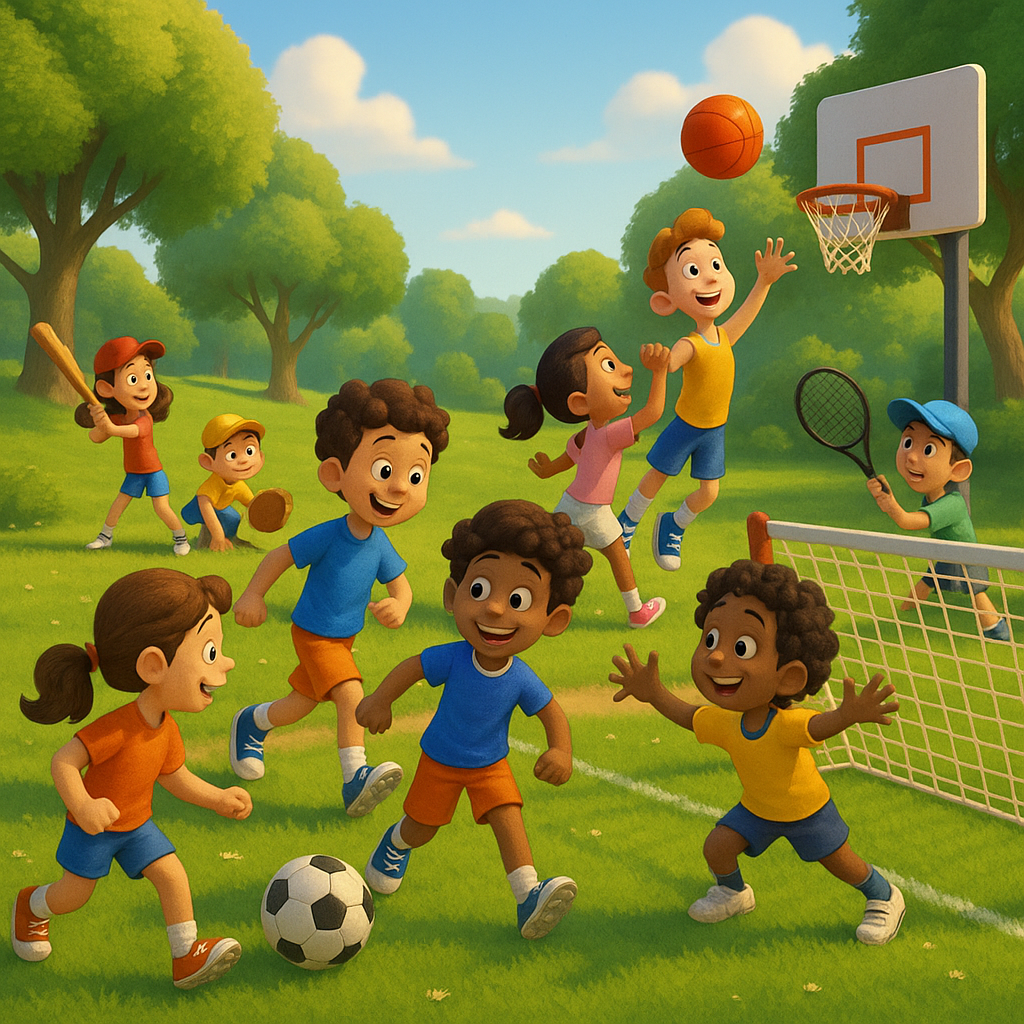
Engaging in sports can be one of the most rewarding experiences for children, fostering not only physical development but also valuable life skills. But how do you know if your child is ready to dive into the world of team sports? Let’s explore the signs and considerations that can help guide your decision.
Signs Your Child is Ready for Team Sports
Physical Readiness
Team sports require a certain level of physical capability. Here are some indicators:
- Basic Coordination: Can your child run, jump, and catch a ball? These fundamental skills are essential.
- Endurance: Does your child have the stamina to participate in practices and games?
- Interest: Does your child show enthusiasm for a specific sport or activity?
Emotional and Social Readiness
Emotional maturity is just as crucial as physical readiness. Look out for these signs:
- Ability to Follow Rules: Can your child understand and follow simple instructions?
- Team Spirit: Is your child excited about working with others and supporting teammates?
- Handling Wins and Losses: Can they cope with the ups and downs of competition?
Engaging children in team sports can significantly enhance their development, both physically and mentally. According to the Mayo Clinic, sports participation can improve physical fitness, boost self-esteem, and teach teamwork.
Building Skills through Team Sports
When children participate in team sports, they not only develop athletic skills but also essential life skills:
- Coordination and Agility: Sports enhance motor skills and coordination.
- Teamwork: Learning to work as part of a group is invaluable.
- Discipline: Regular practice instills a sense of commitment.
- Social Skills: Interacting with peers fosters friendships and communication skills.
As a youth sports mentor, I emphasize a growth mindset. Encourage your child to view challenges as opportunities to learn and improve. Celebrate their efforts rather than just the outcomes. This can help them develop resilience and a positive attitude toward sports and life.
Safety Considerations
Before enrolling your child in any sport, consider these safety tips:
- Choose Age-Appropriate Sports: Ensure the sport is suitable for your child’s age and skill level.
- Ensure Proper Gear: Invest in the right equipment to minimize injury risks.
- Consult a Pediatrician: If unsure, a healthcare professional can provide guidance on your child’s readiness.
Team sports can be a fantastic way for children to learn, grow, and have fun. According to the CDC, children who engage in sports are more likely to develop healthy habits that last a lifetime.
Conclusion: Encouraging Participation
If your child shows interest and demonstrates readiness, encourage them to participate in team sports. Start with a local league or community program where they can explore different activities. Remember, the goal is to have fun while learning valuable skills! Keep an open line of communication with your child about their experiences and feelings regarding the sport.
In summary, sports can be a powerful tool for child development when approached thoughtfully. Monitor their progress, celebrate their achievements, and most importantly, ensure they enjoy the journey! For more information on youth sports and health, check out resources from the World Health Organization and WebMD.
Final Advice
Encourage your child to try different sports and find what they enjoy the most. The most important aspect is to create a joyful and supportive environment that nurtures their love for physical activity.


