
Is Your Child’s Diet Fueling Their Growth or Holding Them Back?
 Nutritionist
Offers advice on food choices and nutrition.
Nutritionist
Offers advice on food choices and nutrition.
As parents, we often wonder if our children are getting the right nutrition to support their growth and development. A balanced diet is essential not only for physical health but also for cognitive function and emotional well-being. Understanding what to include and what to avoid can make all the difference.
Essential Nutrients for Growing Kids
When it comes to children’s nutrition, certain nutrients play a pivotal role in their growth and development. Here’s a breakdown of the key nutrients your child needs:
1. Protein: The Building Block
Protein is crucial for growth, muscle development, and overall health. Here are some great sources:
- Lean meats like chicken and turkey
- Fish such as salmon and tuna
- Eggs
- Dairy products like yogurt and cheese
- Plant-based sources like beans, lentils, and nuts
2. Carbohydrates: Energy Boosters
Carbohydrates provide the energy your child needs for daily activities and play. Opt for:
- Whole grains like brown rice and whole wheat bread
- Fruits and vegetables
- Legumes
3. Fats: Essential for Brain Development
Healthy fats are vital for brain development and function. Include:
- Avocados
- Nuts and seeds
- Olive oil and fatty fish
4. Vitamins and Minerals: The Support System
Vitamins and minerals support various bodily functions. Ensure your child gets:
- Calcium for strong bones (found in dairy, leafy greens)
- Iron for energy (found in red meat, beans)
- Vitamin D for calcium absorption (sun exposure, fortified foods)
5. Hydration: The Often-Overlooked Aspect
Don’t forget about hydration! Water is essential for every cell in their body. Encourage kids to drink water throughout the day, especially during active play.
Practical Tips for Healthy Eating
To encourage healthy eating habits in children, consider these practical tips:
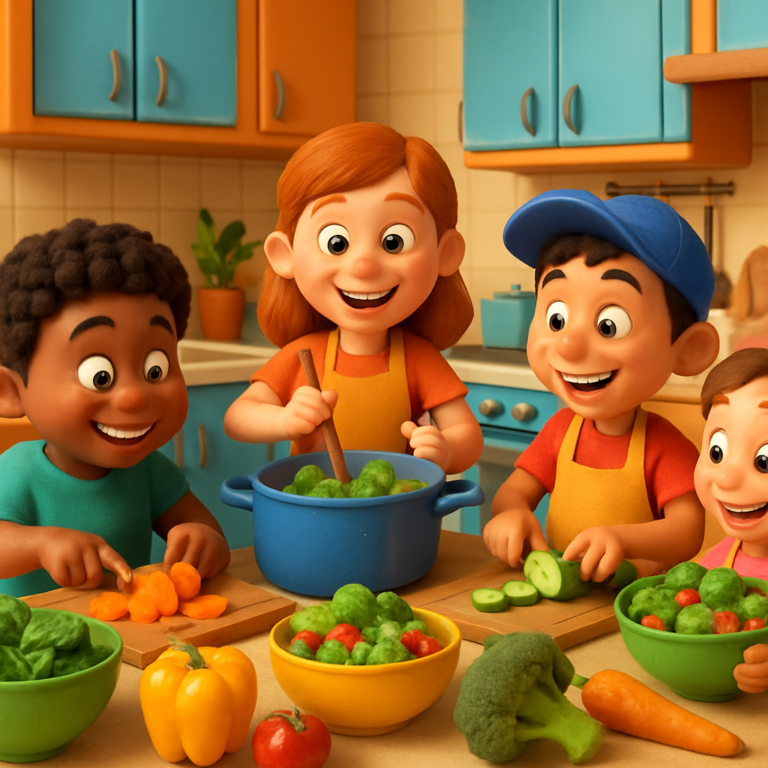
- Involve them in meal prep: Kids are more likely to eat what they help prepare.
- Make it colorful: A variety of colors on their plate often means a variety of nutrients.
- Establish regular meal times: Consistent meal schedules can help regulate appetite.
- Limit processed foods: Try to reduce sugary snacks and beverages.
- Lead by example: Your eating habits influence your child’s choices.
Celebrating Nutrition Awareness
As we celebrate International Nutrition Month in March, it’s a great time to reassess your family’s dietary habits. The World Health Organization emphasizes the importance of a balanced diet in children’s development, and it’s never too late to make changes.
Resources for Further Reading
- Mayo Clinic: Nutrition in Children
- WebMD: Nutrition for Kids
- CDC: Healthy Eating for Kids
- WHO: Healthy Diet
As you navigate your child’s nutrition, remember that balance is key. Encourage a variety of foods and don’t stress about occasional treats. Creating a positive food environment helps foster healthy attitudes toward eating that can last a lifetime.
More articles for you
 How Can Mindfulness Transform Your Parenting Journey?
In today’s fast-paced world, parenting can feel overwhelming. Many parents are seeking ways to connect more deeply with…
How Can Mindfulness Transform Your Parenting Journey?
In today’s fast-paced world, parenting can feel overwhelming. Many parents are seeking ways to connect more deeply with…
 Is Your Child’s Screen Time Taking Over Their Life?
In today’s digital age, screens are an integral part of our lives. But how much is too much,…
Is Your Child’s Screen Time Taking Over Their Life?
In today’s digital age, screens are an integral part of our lives. But how much is too much,…
 Is Your Child’s Diet Setting Them Up for Future Success?
When it comes to raising healthy children, nutrition is a cornerstone that often gets overlooked amidst the hustle…
Is Your Child’s Diet Setting Them Up for Future Success?
When it comes to raising healthy children, nutrition is a cornerstone that often gets overlooked amidst the hustle…
 Sit ups
: Exercise Guide Overview Sit ups are a slow, controlled exercise focusing primarily on strengthening the abdominal…
Sit ups
Sit ups: Exercise Guide Overview Sit ups are a slow, controlled exercise focusing primarily on strengthening the abdominal…
 Alternating sit ups
: Exercise Guide Overview Alternating sit ups are a slow, controlled movement primarily targeting the abdominal…
Alternating sit ups
Alternating sit ups: Exercise Guide Overview Alternating sit ups are a slow, controlled movement primarily targeting the abdominal…
 Crunches
: Exercise Guide Overview Crunches are a slow, controlled exercise designed to strengthen the abdominal muscles. This movement…
Crunches
Crunches: Exercise Guide Overview Crunches are a slow, controlled exercise designed to strengthen the abdominal muscles. This movement…