
Dead lift
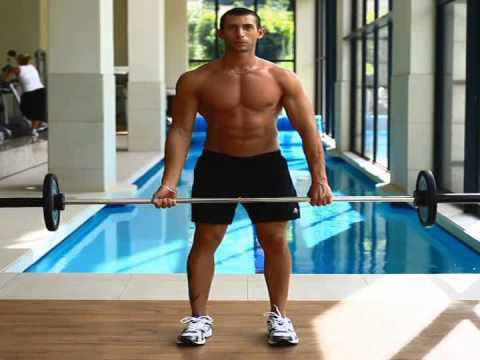

Dead lift: Exercise Guide
Overview
The dead lift is a strength-focused exercise that emphasizes a slow and controlled movement pattern. This exercise primarily targets the back muscles, while also engaging the rear and lower muscles. The use of a barbell adds to the effectiveness of the workout, allowing for significant strength development.
This exercise requires careful attention to form and technique, as it involves lifting a weighted barbell from the ground to a standing position. The effort profile is demanding, particularly for those focusing on building strength in the upper body.
What it is good for
- Building strength in the back muscles
- Enhancing overall muscle stability
- Improving posture through back muscle engagement
- Increasing functional strength for daily activities
When to avoid it
- Individuals with limited experience using free weights
- Those who have a history of back injuries
- When proper equipment is not available
- Evidence is limited on safety for certain populations; proceed with caution
Verdict
The dead lift can be an effective exercise for building back strength when performed with proper technique and caution. It is essential to ensure that you are prepared and equipped to engage in this movement safely to maximize benefits while minimizing risks.
Disclaimer: This content is AI-generated for informational purposes only and does not replace personalized medical advice. Exercise recommendations should be adapted to individual health status, injuries, and professional guidance.
Related Exercises
Ask an AI Pro

Your Wellness Support Team, Available 24/7
Ask our team of trusted health and lifestyle professionals anything – from fitness advice to emergency prep. It’s fast, private, and tailored to your needs.
Login with Google to recieve more tokens and purchase more tokens.
Browse other categories

Alternative Medicine

Children’s Health

Chronic Conditions
Fitness & Recovery

Holistic
Medical
Men’s Health

Mental Health

Nutrition & Diet

Pet Health
Physical Wellness
Preventative Health

Skin Care

Sports & Outdoor Coaching

Survival & Emergency

Weight Loss
Women’s Health

Physiotherapist
Biokineticist

Chiropractor

Fitness Trainer

Nutritionist

Dietician
Weight Loss Coach

Outdoor Fitness Trainer

Mobility & Flexibility Coach
Sports Rehabilitation Specialist

Hypertension & Heart Health

Post-Surgery Coach
Home Workout Coach


Search Database
| Exercise | Goals | Equipment | Muscles |
|---|---|---|---|
| Loading exercises... | |||
Exercise Page FAQ
How an individual exercise page helps you understand a movement, compare alternatives, and connect training choices back to your health goals.
What is an exercise single page for?
An exercise page gives focused context for one movement: what it is, what it may help with, when to be cautious, related exercises, health tests, and ways to explore more fitness support. It turns a movement name into something you can actually use.
What information should I look at first?
Start with the exercise goal, target muscles, equipment, movement type, intensity, recommended uses, and contraindications. Those details help you decide whether the exercise fits your body, your plan, and your current ability.
How do exercise pages connect to health assessments?
Health assessments can give context for exercise decisions. Strength, balance, flexibility, cardio, and body-composition results may help you choose movements that match your current needs instead of guessing with heroic confidence and questionable shoes.
Why are related exercises shown?
Related exercises are selected using shared goals, movement patterns, muscles, equipment, and exercise profile data. They help you find substitutes, progressions, regressions, or variety when one movement is not quite the right fit.
Can I use the exercise database from an exercise page?
Yes. Exercise pages include access to the searchable exercise database so you can keep exploring by goal, muscles, equipment, or movement needs without starting your search from scratch.
What are the AI fitness professionals for?
The AI professionals can help explain an exercise, suggest educational next steps, and support fitness or recovery questions. They are useful guides, but they do not replace a qualified trainer, physiotherapist, doctor, or other professional.
How should I choose between similar exercises?
Compare the goal, required equipment, target muscles, intensity, and any caution notes. The best choice is usually the movement you can perform safely, consistently, and with the right level of challenge.
What if an exercise feels uncomfortable or painful?
Stop if you feel sharp pain, unusual symptoms, numbness, dizziness, or joint pain that feels wrong. Modify the exercise, choose an alternative, or ask a qualified professional before pushing through. Pain is data, not a motivational poster.