
Is Your Movement Holding You Back from Living Fully?
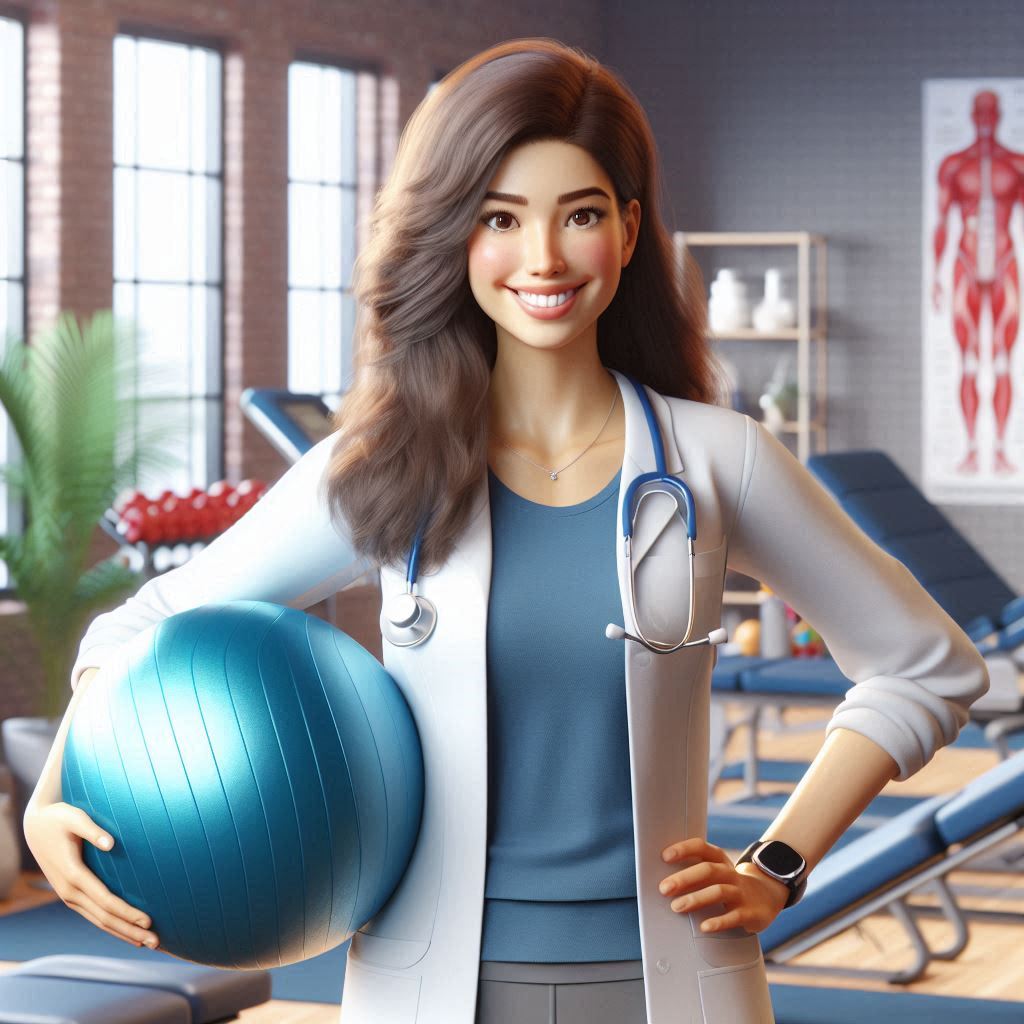 Biokineticist
Designs therapeutic exercise programs to improve movement and prevent injury.
Biokineticist
Designs therapeutic exercise programs to improve movement and prevent injury.
Movement is the foundation of our daily lives, yet many of us take it for granted. Whether it’s bending to tie your shoes or running a marathon, our ability to move freely can significantly impact our quality of life. In this blog, we delve into how our movement patterns influence our overall well-being and how we can optimize them for a more vibrant life.
Understanding the Importance of Movement
The Impact of Physical Activity on Health
Regular physical activity is essential for maintaining health. Here’s why:
- Reduces the risk of chronic diseases: Engaging in moderate exercise can help lower your risk of conditions like heart disease, diabetes, and obesity.
- Improves mental health: Exercise releases endorphins, which can elevate mood and reduce feelings of anxiety and depression.
- Enhances mobility and flexibility: Staying active helps maintain muscle strength and flexibility, essential for daily activities.
- Boosts energy levels: Regular movement increases overall stamina, making daily tasks less exhausting.
Common Movement Limitations
Many people experience movement limitations due to various factors:
- Injuries or surgeries: Past injuries can lead to compensatory movement patterns that affect overall function.
- Sedentary lifestyle: A lack of regular movement can lead to stiffness and decreased mobility.
- Chronic conditions: Diseases such as arthritis or fibromyalgia can significantly impact one’s ability to move comfortably.
Strategies to Enhance Movement Quality
Improving your movement quality is achievable with the right strategies. Here are some practical tips:
- Incorporate strength training: Building muscle helps support joints and improves posture, which can enhance movement efficiency.
- Focus on flexibility: Regular stretching can improve your range of motion and reduce muscle tension.
- Engage in functional exercises: Activities like squats, lunges, and balance exercises mimic everyday movements, helping you perform daily tasks more easily.
- Listen to your body: Pay attention to pain signals and modify your activities accordingly to prevent further injury.
For more information on physical activity guidelines, visit the CDC.
The Role of a Biokineticist
A biokineticist specializes in restoring movement and function through tailored exercise programs. If you’re struggling with movement limitations, consider consulting a biokineticist to receive personalized guidance. They can assess your current movement patterns, identify weaknesses, and develop a plan to enhance your mobility.
The Future of Movement and Health
As we look towards the future, innovative approaches to movement therapy continue to evolve. Wearable technology, for instance, provides real-time feedback on physical activity, allowing for more personalized health strategies. Embracing these advancements can lead to better health outcomes and a higher quality of life overall.
Conclusion
Movement is not just about exercise; it’s about enhancing your quality of life. By understanding the importance of movement, recognizing limitations, and implementing strategies to improve functionality, you can live more fully. Don’t hesitate to reach out for professional help if you need guidance to get started or to overcome movement challenges.
Advice you can use: Try incorporating a 10-minute movement break into your daily routine. Whether it’s a brisk walk, stretching, or a quick workout, keeping active can make a significant difference in how you feel.
For more health tips, you can explore additional resources from the Mayo Clinic and WHO.
More articles for you
 How Can Nature Transform Your Fitness Routine?
In the hustle and bustle of everyday life, we often forget the incredible benefits that nature can bring…
How Can Nature Transform Your Fitness Routine?
In the hustle and bustle of everyday life, we often forget the incredible benefits that nature can bring…
 Can Nature Be Your Gym? Explore Outdoor Fitness Benefits!
Imagine stepping outside your front door and into a world of fitness. Nature offers a unique setting for…
Can Nature Be Your Gym? Explore Outdoor Fitness Benefits!
Imagine stepping outside your front door and into a world of fitness. Nature offers a unique setting for…
 Are You Ignoring These Signs of Overtraining in Your Fitness Routine?
Overtraining can sneak up on even the most dedicated athletes and fitness enthusiasts. Understanding the subtle signs and…
Are You Ignoring These Signs of Overtraining in Your Fitness Routine?
Overtraining can sneak up on even the most dedicated athletes and fitness enthusiasts. Understanding the subtle signs and…
 Sit ups
: Exercise Guide Overview Sit ups are a slow, controlled exercise focusing primarily on strengthening the abdominal…
Sit ups
Sit ups: Exercise Guide Overview Sit ups are a slow, controlled exercise focusing primarily on strengthening the abdominal…
 Alternating sit ups
: Exercise Guide Overview Alternating sit ups are a slow, controlled movement primarily targeting the abdominal…
Alternating sit ups
Alternating sit ups: Exercise Guide Overview Alternating sit ups are a slow, controlled movement primarily targeting the abdominal…
 Crunches
: Exercise Guide Overview Crunches are a slow, controlled exercise designed to strengthen the abdominal muscles. This movement…
Crunches
Crunches: Exercise Guide Overview Crunches are a slow, controlled exercise designed to strengthen the abdominal muscles. This movement…