
Are You Breathing Right? Simple Tips for Lung Health
 Pulmonologist
Focuses on lung and respiratory system health.
Pulmonologist
Focuses on lung and respiratory system health.
Breathing is vital, yet many overlook the importance of lung health until problems arise. With rising air pollution and respiratory conditions, it’s crucial to pay attention to how we breathe and what we can do to enhance our lung function.
Understanding Lung Health
Factors Affecting Lung Function
Lung health can be influenced by various factors, including:
- Air Quality: Poor air quality can exacerbate respiratory conditions.
- Smoking: Tobacco smoke is a leading cause of lung diseases, including COPD and lung cancer.
- Occupational Hazards: Certain jobs expose individuals to harmful particulates and chemicals.
Signs of Impaired Lung Function
Recognizing the signs of compromised lung health is essential. Some symptoms to watch for include:
- Shortness of breath during daily activities
- Chronic cough or wheezing
- Frequent respiratory infections
- Fatigue or reduced exercise tolerance
If you notice any of these signs, it’s time to consult a healthcare professional.
Practical Strategies for Better Lung Health
- Quit Smoking: If you smoke, seek help to quit. Resources such as the CDC Smoking Cessation program can provide guidance.
- Stay Active: Regular physical activity strengthens the respiratory muscles and improves lung capacity. Aim for at least 150 minutes of moderate aerobic exercise weekly.
- Practice Breathing Exercises: Techniques like diaphragmatic breathing can enhance lung function. Try this simple exercise:
– Sit or lie down comfortably.
– Place one hand on your chest and the other on your abdomen.
– Inhale deeply through your nose, allowing your abdomen to rise.
– Exhale slowly through pursed lips.
- Maintain Healthy Indoor Air Quality: Use air purifiers, ensure proper ventilation, and avoid indoor pollutants.
- Get Vaccinated: Stay updated on vaccines, especially the flu and pneumonia vaccines, to prevent respiratory infections. Refer to the CDC for more information on Vaccination Guidelines.
- Stay Hydrated: Drinking plenty of water helps keep mucus thin and easier to expel.
#### Conclusion
Lung health is critical for overall well-being, and proactive measures can significantly improve your quality of life. By understanding the factors that affect your lungs and implementing simple strategies, you can breathe easier and live healthier. If you are facing persistent symptoms or have concerns about your lung health, don’t hesitate to reach out to a healthcare professional.
For more information on respiratory health, visit trusted sources like the Mayo Clinic, WebMD, World Health Organization, and the CDC.
More articles for you
 Could Your Allergies Be Sabotaging Your Immune Health?
Allergies can often feel like an insurmountable challenge, but understanding their impact on your immune system can empower…
Could Your Allergies Be Sabotaging Your Immune Health?
Allergies can often feel like an insurmountable challenge, but understanding their impact on your immune system can empower…
 Is Your Medicine Cabinet a Danger Zone? Find Out Now!
In today’s fast-paced world, we often overlook the safety and efficacy of the medications we keep at home.…
Is Your Medicine Cabinet a Danger Zone? Find Out Now!
In today’s fast-paced world, we often overlook the safety and efficacy of the medications we keep at home.…
 Can Small Changes Lead to Big Wins in Diabetes Management?
Managing diabetes is no small feat. Every day, individuals with Type 1 and Type 2 diabetes face unique…
Can Small Changes Lead to Big Wins in Diabetes Management?
Managing diabetes is no small feat. Every day, individuals with Type 1 and Type 2 diabetes face unique…
 Sit ups
: Exercise Guide Overview Sit ups are a slow, controlled exercise focusing primarily on strengthening the abdominal…
Sit ups
Sit ups: Exercise Guide Overview Sit ups are a slow, controlled exercise focusing primarily on strengthening the abdominal…
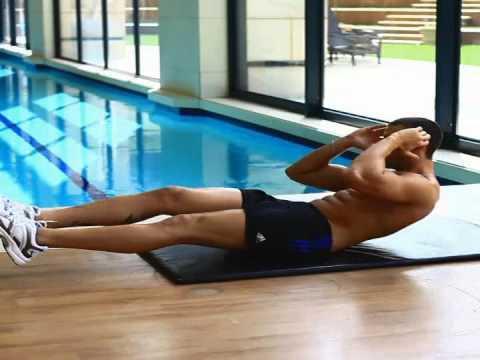 Alternating sit ups
: Exercise Guide Overview Alternating sit ups are a slow, controlled movement primarily targeting the abdominal…
Alternating sit ups
Alternating sit ups: Exercise Guide Overview Alternating sit ups are a slow, controlled movement primarily targeting the abdominal…
 Crunches
: Exercise Guide Overview Crunches are a slow, controlled exercise designed to strengthen the abdominal muscles. This movement…
Crunches
Crunches: Exercise Guide Overview Crunches are a slow, controlled exercise designed to strengthen the abdominal muscles. This movement…