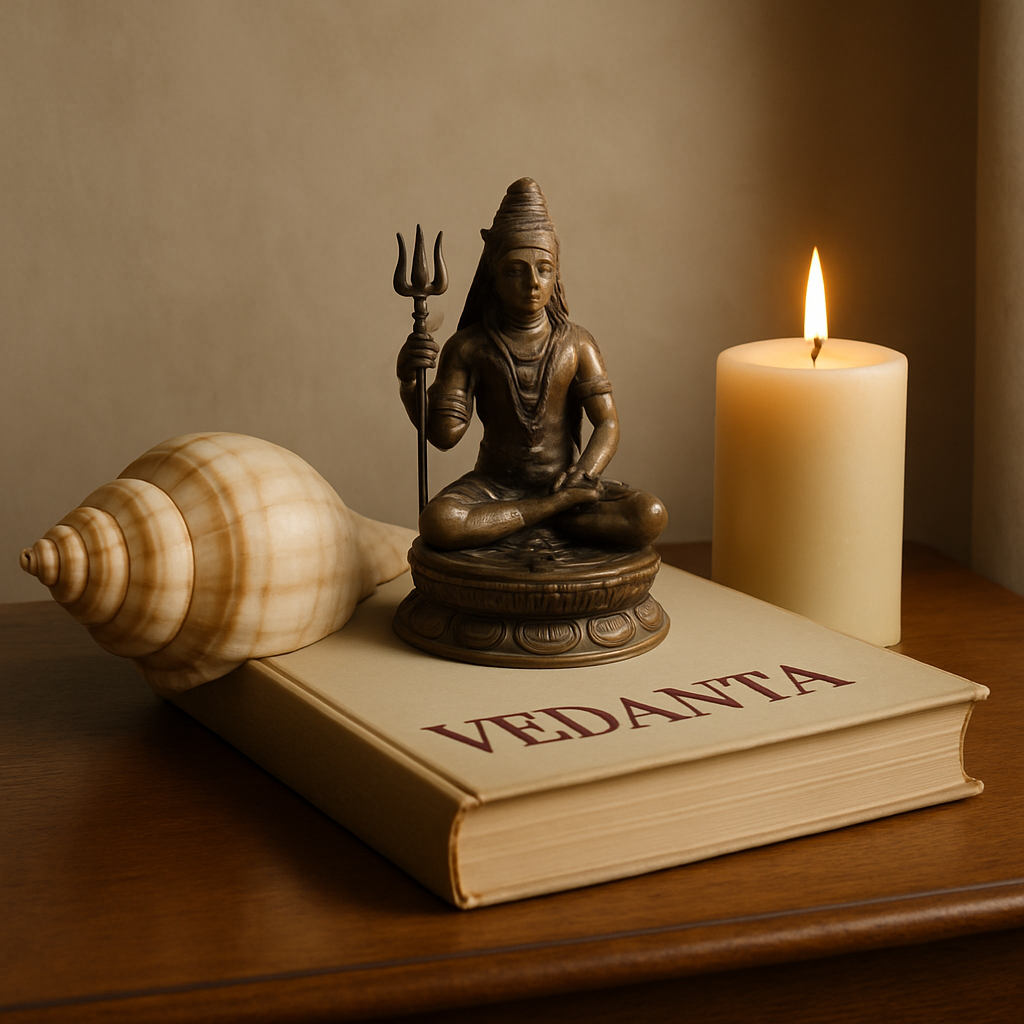
Introduction to Hindu Teachings
In the vast tapestry of Hindu philosophy, we find a myriad of teachings that guide us toward understanding our true selves and our relationship with the divine. These teachings, found in texts like the Bhagavad Gita, the Upanishads, and the principles of Vedanta, offer profound insights into the nature of existence, duty (dharma), action (karma), and the path of devotion (bhakti). As seekers of truth, we embark on this journey with an open heart and mind, embracing the wisdom of ages past while cultivating our own spiritual practice.
Vedanta: The Philosophy of the End
Vedanta, often viewed as the culmination of Vedic thought, invites us to explore the ultimate reality, Brahman, and our individual souls, Atman. This philosophy teaches us that the essence of our being is not separate from the divine. Instead, we are expressions of the same universal consciousness. Through understanding this interconnectedness, we can transcend the illusions of separateness that bind us.
Key Concepts of Vedanta
- Brahman: The ultimate reality, unchanging and infinite.
- Atman: The individual soul, which is a reflection of Brahman.
- Maya: The illusion that creates the perception of duality.
- Moksha: Liberation from the cycle of birth and death (samsara).
As you contemplate these concepts, consider reflecting on the following questions:
- How do I perceive my connection to the universe around me?
- What practices can help me realize the unity of Atman and Brahman?
The Bhagavad Gita: A Dialogue of Duty
The Bhagavad Gita, a sacred dialogue between Lord Krishna and Arjuna on the battlefield, reveals the importance of dharma, or duty. In this text, we learn that our actions should align with our higher purpose and responsibilities, even amidst life’s challenges. The Gita teaches us that we must act without attachment to the fruits of our actions, a principle known as Nishkama Karma.
Lessons from the Gita
- Selfless Action: Engage in your duties without seeking personal gain.
- Equanimity: Maintain calmness in success and failure.
- Devotion: Cultivate a loving and devoted relationship with the divine.
As you ponder these lessons, ask yourself:
- What are my responsibilities, and how can I fulfill them with integrity?
- How can I practice selfless action in my daily life?
Upanishadic Wisdom: Inner Stillness
The Upanishads, ancient texts that delve into the nature of reality and consciousness, guide us toward inner stillness. They encourage us to look beyond the external world and explore the depths of our own minds and hearts. Meditation, a key practice in this exploration, helps us quiet the incessant chatter of the mind and connect with our innermost selves.
The Practice of Meditation
Meditation is not merely a technique; it is a way of being. In stillness, we can listen to the whispers of our soul and experience the divine presence within. Regular practice cultivates peace, clarity, and insight, allowing us to navigate the complexities of life with grace.
To deepen your meditation practice, consider these steps:
- Find a quiet and comfortable space.
- Set a regular time for your practice.
- Focus on your breath or a chosen mantra.
- Allow thoughts to come and go without attachment.
In your meditation, reflect on:
- What insights arise when I embrace stillness?
- How does connecting with my inner self transform my perspective?
Dharma and Karma: The Path of Righteousness
Understanding dharma and karma is essential in our spiritual journey. Dharma refers to our moral and ethical duties, which can vary based on our stage of life, social responsibilities, and personal inclinations. Karma, on the other hand, is the law of cause and effect; our actions, whether good or bad, create ripples that shape our future experiences.
Living in Harmony with Dharma
Living according to dharma ensures that we contribute positively to the world around us. It requires self-awareness and discernment, as what is right for one may not be for another. Engaging in selfless service and compassion aligns us with our higher purpose, fostering harmony in our relationships and communities.
As you contemplate dharma, reflect on:
- What values guide my decisions and actions?
- How can I better serve my community and fulfill my duties?
Karma: Understanding the Ripple Effects
Karma teaches that our actions have consequences, often extending beyond our immediate understanding. This awareness encourages us to act with intention and mindfulness. By recognizing that our choices shape our destiny, we become more responsible stewards of our lives and the world.
Consider these questions as you explore karma:
- What patterns do I notice in my life that may be a result of past actions?
- How can I cultivate positive actions that contribute to my growth and the well-being of others?
The Path of Yoga: Union of Body and Spirit
Yoga, derived from the Sanskrit word “yuj,” meaning to unite, is a holistic approach to achieving harmony between body, mind, and spirit. It encompasses various practices, including physical postures (asanas), breath control (pranayama), and meditation. Each form of yoga offers unique pathways to self-realization and connection with the divine.
Exploring Different Paths of Yoga
- Hatha Yoga: Focuses on physical postures and breath control.
- Bhakti Yoga: The path of devotion, emphasizing love and surrender to God.
- Karma Yoga: The yoga of selfless action.
- Jnana Yoga: The path of knowledge and wisdom.
As you engage with these practices, reflect on:
- Which path resonates with me the most?
- How can I incorporate yoga into my daily life for spiritual growth?
Devotion: The Heart of Spiritual Practice
Devotion, or bhakti, is a powerful aspect of Hindu spirituality. It invites us to cultivate a personal relationship with the divine, expressing our love, gratitude, and surrender. Through devotion, we experience a profound sense of connection and belonging, transcending the ego and embracing the divine presence in all beings.
Practicing Devotion
Devotion can be expressed in myriad ways, from prayer and chanting to acts of service and offering. Engaging in these practices allows us to deepen our relationship with the divine and with ourselves. Remember that devotion is personal; it can take many forms, and what matters most is the sincerity of your heart.
Consider these practices of devotion:
- Daily prayers or mantras that resonate with your heart.
- Acts of kindness and service to others.
- Participating in community rituals and celebrations.
As you explore devotion, reflect on:
- What does devotion mean to me?
- How can I express my love for the divine in my daily life?
Spiritual Reflection: The Journey Continues
The journey of spiritual growth is ongoing, inviting us to explore and deepen our understanding of ourselves and the universe. Each experience, whether joyful or challenging, serves as a teacher, guiding us toward greater wisdom and compassion.
As you navigate your spiritual path, remember to remain open to learning and growth. The teachings of Hinduism offer diverse perspectives, and respecting the differences within the tradition enriches our understanding and connection to the divine.
In closing, I encourage you to engage with your local religious leadership for guidance and support on your journey. Each of us walks a unique path, and the insights of experienced teachers can illuminate our way.
Conclusion: Embracing the Divine Within
In embracing the teachings of Hinduism, we embark on a journey of self-discovery and connection with the divine. As we delve into the wisdom of Vedanta, the Bhagavad Gita, and the Upanishads, we cultivate inner stillness, compassion, and devotion. May your path be filled with light, love, and the eternal presence of Lord Shiva.