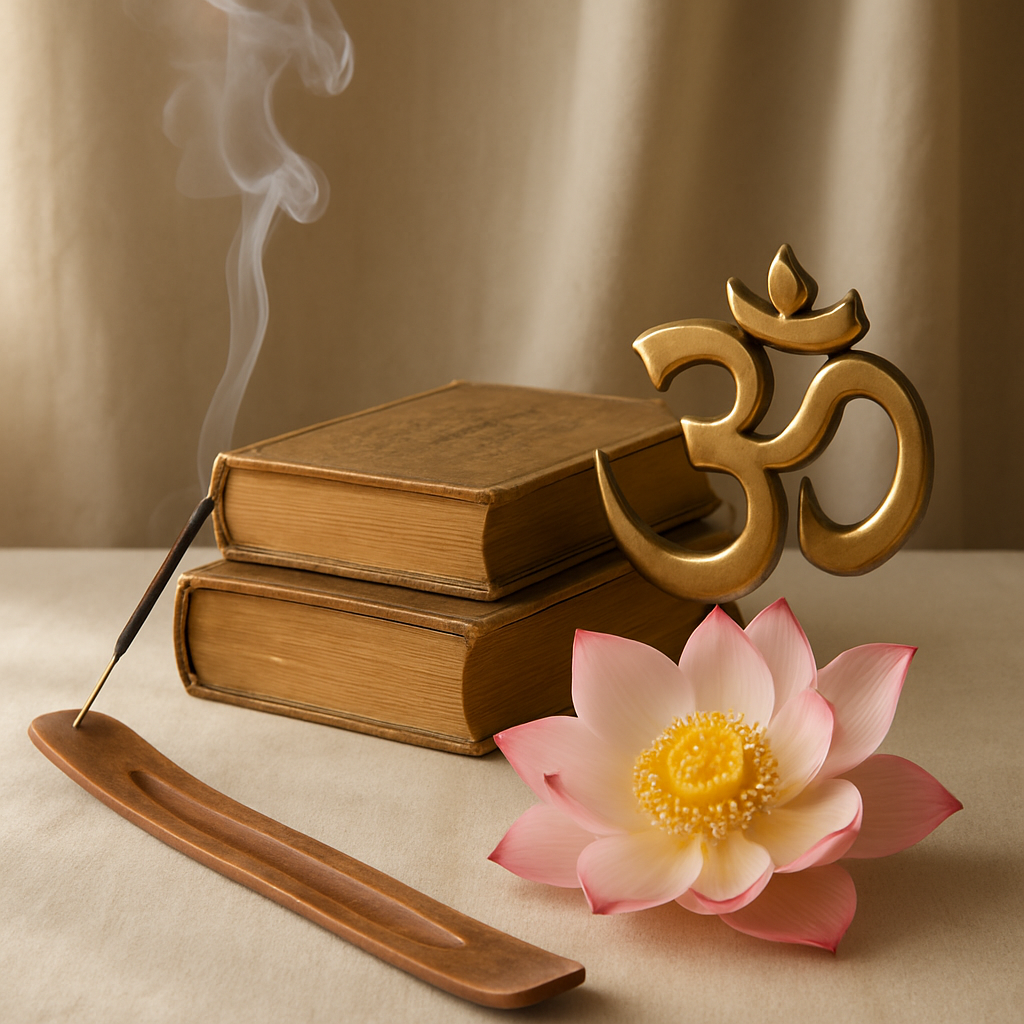
Introduction to Hindu Teachings
Hinduism, a vast and intricate tapestry of beliefs, philosophies, and practices, invites us to explore the depths of our own existence. With its roots in ancient texts like the Vedas, Upanishads, and the Bhagavad Gita, Hindu teachings offer profound insights into the nature of reality, the self, and our interconnectedness with the cosmos. In this article, we will journey through some of the core concepts of Hindu philosophy, including Vedanta, dharma, karma, yoga, devotion, and the spiritual reflections they inspire.
Vedanta: The Philosophy of the End
Vedanta, meaning “the end of the Vedas,” is a school of thought that seeks to understand the ultimate purpose of life and the nature of the self. It posits that the individual soul (Atman) is not separate from the universal consciousness (Brahman). This realization can lead to liberation (moksha) from the cycle of birth and rebirth (samsara).
Key Concepts of Vedanta
- Non-Duality: The principle of Advaita Vedanta, which emphasizes that the self and the divine are one.
- Self-Realization: The journey of understanding one’s true nature beyond the physical and mental identities.
- Moksha: The ultimate goal of human life, liberation from the cycle of samsara.
The Bhagavad Gita: A Guide to Life
The Bhagavad Gita, a 700-verse dialogue between Prince Arjuna and Lord Krishna, addresses the moral and philosophical dilemmas faced in life. This sacred text serves as a guide for ethical living, selfless action, and devotion.
Core Teachings of the Gita
- Dharma: The concept of duty, which varies according to one’s role in society and personal circumstances.
- Karma: The law of cause and effect, where every action has consequences that shape our future.
- Yoga: The path to union with the divine, which can be practiced through various forms such as Bhakti (devotion), Jnana (knowledge), and Karma (action).
- Detachment: The importance of performing actions without attachment to the results, fostering a sense of inner peace.
Upanishadic Wisdom: The Essence of Reality
The Upanishads delve into the nature of reality, exploring the relationship between the individual and the universe. They emphasize introspection and meditation as paths to understanding the self.
Reflective Insights from the Upanishads
- Unity of Existence: The idea that all beings are interconnected and that understanding this unity is key to spiritual growth.
- Self-Inquiry: The practice of asking profound questions about the nature of the self and existence.
- Meditation: Techniques to quiet the mind and explore the deeper aspects of consciousness.
Dharma: The Path of Righteousness
Dharma, often translated as righteousness or duty, is a central tenet in Hindu philosophy. It encompasses ethical living, social responsibilities, and personal conduct.
Understanding Your Dharma
Each individual has a unique dharma based on their circumstances, stage of life, and societal roles. To discover your dharma, consider the following reflection questions:
- What responsibilities do you have towards your family, community, and the environment?
- How can you align your actions with ethical principles and personal values?
- What unique talents or passions can you contribute to the world?
Karma: The Law of Cause and Effect
Karma, a fundamental principle in Hindu thought, teaches that our actions have consequences, shaping our present and future experiences. Understanding karma encourages mindfulness in our behaviors and decisions.
Practicing Mindful Karma
To cultivate positive karma, reflect on your actions and their motivations:
- Are your actions rooted in compassion and understanding?
- How can you transform negative patterns into positive contributions?
- What legacy do you wish to leave behind through your actions?
Yoga: A Path to Union
Yoga, derived from the Sanskrit word “yuj” meaning “to unite,” encompasses a variety of practices aimed at achieving spiritual, mental, and physical harmony. Traditionally, yoga is not just a physical exercise but a holistic approach to life.
Different Paths of Yoga
- Bhakti Yoga: The path of devotion, focusing on love and surrender to the divine.
- Jnana Yoga: The path of knowledge, emphasizing study and contemplation of spiritual truths.
- Karma Yoga: The path of selfless action, serving others without attachment to the fruits of one’s labor.
- Raja Yoga: The path of meditation, fostering mental discipline and inner peace.
Devotion: The Heart of Worship
Devotion, or bhakti, is a profound aspect of Hindu spirituality. It emphasizes love and surrender to the divine, fostering a deep connection with God.
Practicing Devotion
Incorporating devotion into your spiritual practice can be transformative. Consider these practices:
- Regular prayer and chanting of mantras.
- Participating in community worship or festivals.
- Engaging in acts of service as an expression of love for the divine.
Spiritual Reflection: The Journey Inward
Spiritual reflection is essential for personal growth and understanding within the vast landscape of Hindu philosophy. Taking time for introspection allows us to integrate teachings into our lives meaningfully.
Questions for Reflection
- What insights have you gained from your spiritual practices?
- How do the teachings of dharma and karma manifest in your life?
- In what ways can you deepen your practice of yoga and devotion?
Conclusion: Embracing Diversity in Hinduism
Hinduism’s beauty lies in its diversity, offering a multitude of paths for individuals to explore. While this article presents various teachings and philosophies, it is essential to respect the unique beliefs and practices of others within the tradition. Each individual’s journey is personal, and we encourage you to consult local religious leaders or mentors for guidance tailored to your specific spiritual needs.
As you navigate your spiritual path, may you find balance, wisdom, and deeper understanding in the teachings of the ancient sages and the vibrant traditions of Hinduism.