
The connection between our immune system and our emotional health is often overlooked. But did you know that what happens inside your body can have profound effects on how you feel? Recent studies suggest that the immune system plays a vital role not just in fighting off infections but also in regulating mood and mental well-being.
The Immune System: More Than Just Defense
How Immune Responses Influence Mood
Our immune system is designed to protect us from pathogens, but its responses can also affect our brain chemistry. Here’s how:
- Cytokines: These are signaling proteins released during immune responses. High levels of certain cytokines have been linked to depression and anxiety. Studies show that inflammation can disrupt neurotransmitter function, which is crucial for mood regulation.
- Gut-Brain Axis: The gut microbiome interacts with the immune system and the brain. A healthy gut can produce neurotransmitters, like serotonin, which play a key role in mood stabilization.
Stress, Inflammation, and Mental Health
Stress is a double-edged sword. While acute stress can enhance immune function, chronic stress leads to prolonged inflammation, which can negatively impact mental health. Here’s what you can do to mitigate these effects:
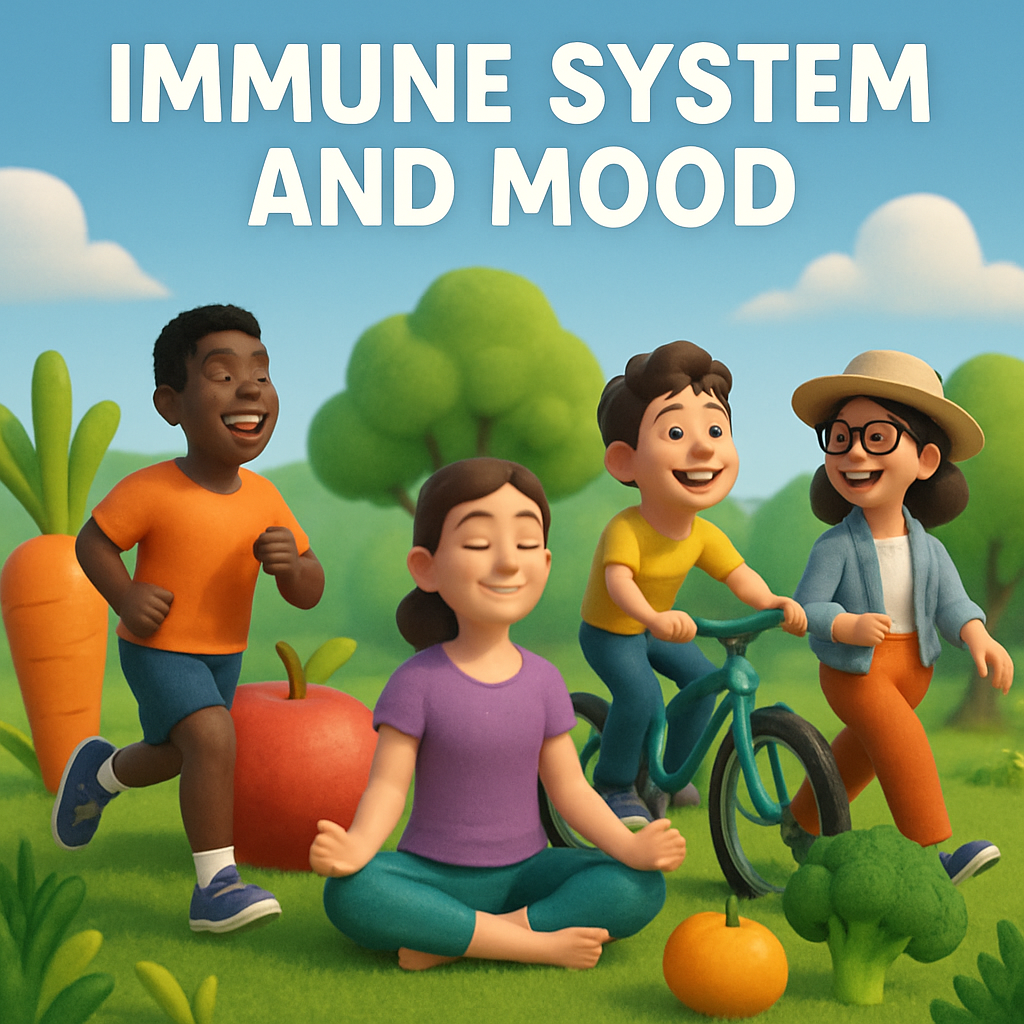
- Practice Mindfulness: Techniques like meditation and yoga can help reduce stress and inflammation.
- Regular Exercise: Physical activity can boost endorphins and improve immune health, creating a positive feedback loop for mood enhancement.
- Healthy Diet: Focus on a balanced diet rich in fruits, vegetables, whole grains, and lean proteins to support both immune function and mental health.
Seeking Professional Help
If you find yourself struggling with mood disorders, it’s essential to consult a healthcare professional. They can help you explore the underlying causes, which may include immune dysfunction. Here are some trusted resources to consider:
The Takeaway
Our immune system and mental health are intricately connected. By taking care of your immune system, you might just find an improvement in your mood and overall emotional resilience. Embrace a holistic approach to health by combining physical activity, stress management, and a nutritious diet. Remember, feeling good is about more than just avoiding illness; it’s about nurturing your entire body and mind.
As we approach International Mental Health Day on October 10, let’s prioritize both our physical and mental well-being. You deserve to feel your best, inside and out!