
How Can Grounding Techniques Transform Your Trauma Recovery Journey?
 Trauma Therapist
Specializes in emotional trauma healing and nervous system safety.
Trauma Therapist
Specializes in emotional trauma healing and nervous system safety.
Trauma can leave deep emotional and physical scars, making it challenging to navigate daily life. Grounding techniques offer a pathway not only to reclaim your sense of self but also to foster resilience in the face of life’s challenges. Through practices that connect us to the present moment, we can begin to heal and thrive.
The Power of Grounding Techniques
Grounding techniques are strategies designed to help individuals connect with the present, particularly when they feel overwhelmed by trauma-related thoughts and feelings. These practices can mitigate stress responses and provide a sense of safety in the body.
Why Grounding is Essential for Trauma Recovery
Grounding techniques work by shifting your focus away from distressing memories or feelings, helping to alleviate anxiety and promote emotional stability. Here are some of the benefits:
- Reduced Anxiety: Grounding can help lower the intensity of anxiety symptoms.
- Increased Awareness: These techniques enhance your awareness of your surroundings, making you feel more in control.
- Emotional Regulation: Grounding helps in managing emotional responses, making them less overwhelming.
Simple Grounding Techniques to Try
Here are some effective grounding techniques you can incorporate into your daily routine:
- 5-4-3-2-1 Technique: This is a popular grounding exercise that helps you focus on your senses. Identify:
– 5 things you can see
– 4 things you can touch
– 3 things you can hear
– 2 things you can smell
– 1 thing you can taste
- Breathing Exercises: Take a moment to focus on your breath. Inhale deeply through your nose for four counts, hold for four counts, and exhale through your mouth for six counts. Repeat several times.
- Nature Connection: Spend time in nature, even if it’s just a few minutes outside. Notice the colors, sounds, and sensations around you.
- Body Scan: While sitting or lying down, mentally scan your body from head to toe. Notice any sensations, tension, or discomfort without judgment. This can help ground you in your physical self.
- Mindful Movement: Engage in activities like yoga or tai chi that encourage a connection between body and mind. These practices can help release tension stored in the body.
Resources for Further Exploration
To learn more about trauma recovery and grounding techniques, consider exploring these trusted resources:
Final Thoughts
Healing from trauma is not a linear process, and it’s essential to be patient with yourself as you explore various coping strategies. Grounding techniques can serve as valuable tools on this journey, helping you to reconnect with the present and foster a greater sense of safety and well-being. Remember, it’s okay to seek support, whether through therapy or community resources.
For more personalized advice, consider reaching out to a mental health professional who can guide you through your unique healing process. You are not alone, and healing is possible.
More articles for you
 What If Healing Is a Journey, Not a Destination?
Healing from trauma can feel overwhelming, but it’s essential to remember that it’s a journey. Embracing this perspective…
What If Healing Is a Journey, Not a Destination?
Healing from trauma can feel overwhelming, but it’s essential to remember that it’s a journey. Embracing this perspective…
 Is Your Trauma Holding You Back from Living Fully?
Trauma can feel like an invisible weight, a force that holds us back from experiencing life in its…
Is Your Trauma Holding You Back from Living Fully?
Trauma can feel like an invisible weight, a force that holds us back from experiencing life in its…
 How Do We Carry Our Loved Ones with Us After Loss?
Grief can feel like a solitary journey, yet it doesn’t have to be. Carrying the essence of our…
How Do We Carry Our Loved Ones with Us After Loss?
Grief can feel like a solitary journey, yet it doesn’t have to be. Carrying the essence of our…
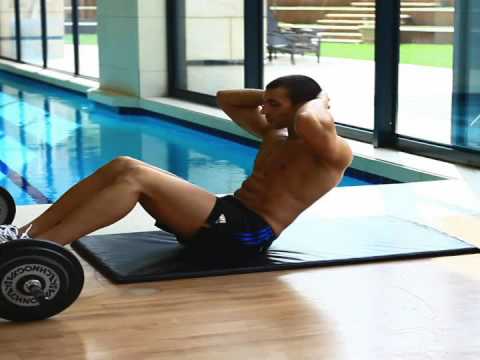 Sit ups
: Exercise Guide Overview Sit ups are a slow, controlled exercise focusing primarily on strengthening the abdominal…
Sit ups
Sit ups: Exercise Guide Overview Sit ups are a slow, controlled exercise focusing primarily on strengthening the abdominal…
 Alternating sit ups
: Exercise Guide Overview Alternating sit ups are a slow, controlled movement primarily targeting the abdominal…
Alternating sit ups
Alternating sit ups: Exercise Guide Overview Alternating sit ups are a slow, controlled movement primarily targeting the abdominal…
 Crunches
: Exercise Guide Overview Crunches are a slow, controlled exercise designed to strengthen the abdominal muscles. This movement…
Crunches
Crunches: Exercise Guide Overview Crunches are a slow, controlled exercise designed to strengthen the abdominal muscles. This movement…