
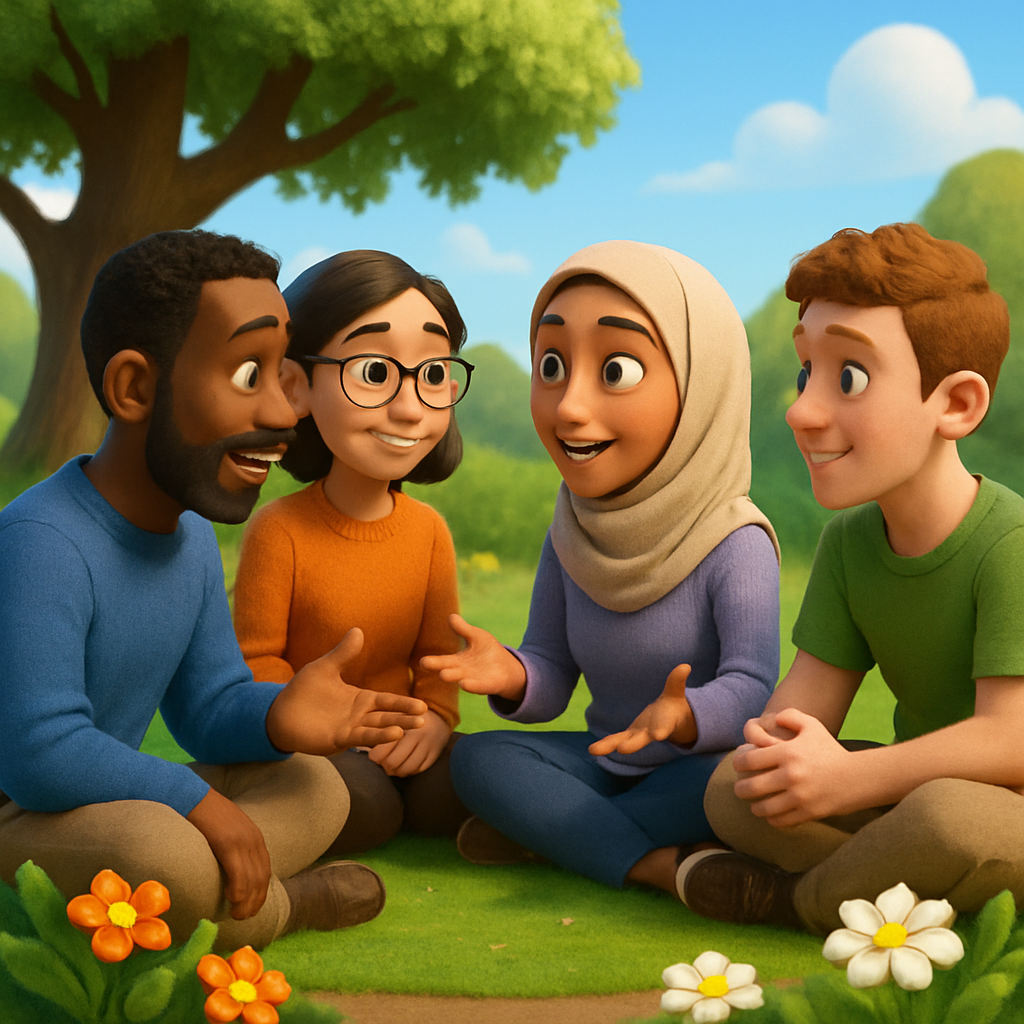
Conflict is often seen as a negative aspect of relationships, but what if we could change that narrative? Rather than focusing on the disagreements, we can learn to view conflicts as opportunities for growth and connection. With the right tools and mindset, conflicts can foster understanding and strengthen bonds between partners and families.
Embracing Conflict: A Path to Strengthened Relationships
The Nature of Conflict
Conflict is a natural part of any relationship. It can arise from differing opinions, values, or even stressors outside the relationship. Understanding that conflict is a normal occurrence can help reduce the anxiety surrounding it. Here are some common sources of conflict:
- Miscommunication: Often, misunderstandings lead to arguments. Clarifying intentions can clear the air.
- Unmet Needs: When one partner feels their needs are not being met, frustration can bubble over.
- External Stress: Life events such as job loss or family issues can strain relationships, causing conflict.
Tools for Constructive Conflict Resolution
Effective conflict resolution involves several key strategies:
- Active Listening: Give your partner the space to express their feelings without interrupting. This shows respect and helps you understand their perspective.
- Emotional Regulation: Manage your emotions by taking deep breaths or stepping away for a moment if you feel overwhelmed. The CDC suggests that emotional regulation can lead to healthier interactions (CDC).
- Assertive Communication: Use “I” statements to express your feelings without blaming the other person. For instance, say, “I feel hurt when you…” instead of “You always…”.
- Seek Common Ground: Focus on what you both agree upon rather than what divides you. This can foster collaboration instead of competition.
When to Seek Help
Sometimes, conflicts can become too intense or complicated to handle alone. It’s okay to seek help from a professional mediator or counselor. Here are signs you might benefit from external support:
- Recurring arguments without resolution
- Feeling stuck in negative patterns
- Difficulty communicating effectively
For those looking for additional resources, consider checking out the Mayo Clinic’s guide on managing conflict in relationships (Mayo Clinic) or exploring emotional health resources through WebMD (WebMD).
In conclusion, conflict doesn’t have to be the end of a relationship; it can be a doorway to deeper understanding and connection. By employing these tools and strategies, you can transform conflict into an opportunity for growth.
Practical Advice
- Practice Regular Check-ins: Schedule time to discuss feelings and needs outside of conflict situations. This proactive approach can reduce the likelihood of arguments.
- Stay Curious: When conflict arises, ask questions to understand your partner’s viewpoint better. This curiosity can help you respond with empathy.
For more resources on emotional health and relationship management, consider visiting the World Health Organization (WHO) for their insights on mental wellbeing (WHO).