
Why Your Sleep Environment Might Be Sabotaging Your Rest
 Sleep Optimization Coach
Improves sleep quality through lifestyle, environment, and cognitive strategies.
Sleep Optimization Coach
Improves sleep quality through lifestyle, environment, and cognitive strategies.
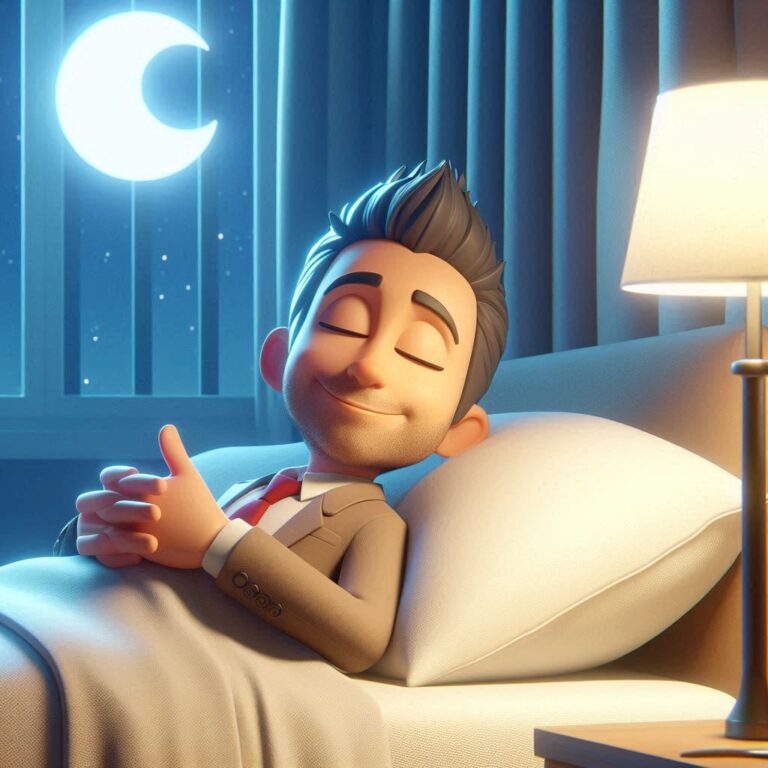
Creating the perfect sleep environment is more than just fluffing pillows and dimming lights. Many people underestimate how the spaces we sleep in can significantly impact our ability to achieve restful sleep. From the colors on your walls to the type of mattress you choose, every element contributes to your overall sleep quality. Let’s dive into the intricacies of how these factors play a role and what you can do to optimize your sleeping space.
The Science of Sleep Environments
The Role of Light
Light is one of the most influential factors in your sleep environment. Your body’s internal clock, or circadian rhythm, is regulated by exposure to light. Here are a few key points to consider:
- Natural Light Exposure: Aim to get plenty of natural light during the day, especially in the morning. This helps set your circadian rhythm.
- Artificial Light at Night: Reduce exposure to blue light from screens at least an hour before bedtime. Consider using blue light filters or wearing blue light-blocking glasses.
- Darkness: Ensure your bedroom is as dark as possible when you sleep. Use blackout curtains or sleep masks to eliminate light.
Noise and Temperature
Noise and temperature are two additional elements that can disrupt sleep. Here’s how to manage them:
- Sound: If you live in a noisy area, consider using white noise machines or earplugs to drown out disruptive sounds.
- Temperature: The ideal sleep temperature is typically between 60°F to 67°F (15°C to 19°C). Use breathable bedding and consider a fan or air conditioning to maintain a comfortable environment.
Key Elements of an Optimal Sleep Environment
To create a sleep sanctuary, focus on these core elements:
- Comfortable Mattress and Pillows: Ensure your mattress and pillows suit your sleep style—back, side, or stomach.
- Bedding: Invest in high-quality sheets made from breathable materials like cotton or linen.
- Decluttering: A tidy room can reduce anxiety and create a more peaceful atmosphere.
- Aromatherapy: Use calming scents, like lavender, to enhance relaxation before bedtime.
- Personal Touches: Decorate with colors and items that promote tranquility, such as soft blues or greens.
Optimizing your sleep environment is not a one-size-fits-all approach. It requires experimentation to find what works best for you.
Resources for Further Reading
- Mayo Clinic – Sleep Tips
- WebMD – Sleep Environment
- World Health Organization – Sleep and Health
- CDC – Sleep Hygiene
Practical Tips to Enhance Your Sleep Environment
- Experiment with different bedding materials until you find what feels best.
- Try incorporating a bedtime routine that includes a few minutes of stretching or meditation.
- Keep a sleep diary to track how changes in your environment affect your sleep quality.
Creating an optimal sleep environment might take some time and adjustments, but the benefits to your overall health and well-being are worth the effort. Remember, a good night’s sleep is the foundation for a productive day ahead.
Conclusion
When it comes to sleep, your environment plays a crucial role. By taking the time to assess and adjust your space, you can significantly improve your sleep quality. Start with small changes and see how they affect your rest. Sweet dreams await you!
More articles for you
 Is Your Qi in Balance? Discover the Signs and Solutions
In today’s fast-paced world, many individuals experience fatigue, stress, and a general sense of imbalance. Traditional Chinese Medicine…
Is Your Qi in Balance? Discover the Signs and Solutions
In today’s fast-paced world, many individuals experience fatigue, stress, and a general sense of imbalance. Traditional Chinese Medicine…
 Is Your Energy Out of Balance? Discover the Signs Today
In our fast-paced world, it’s easy to lose touch with our inner energy. Many people go through life…
Is Your Energy Out of Balance? Discover the Signs Today
In our fast-paced world, it’s easy to lose touch with our inner energy. Many people go through life…
 Is Your Desk Posture Sabotaging Your Health?
In our fast-paced, tech-driven world, many find themselves spending hours hunched over desks and screens. This prolonged poor…
Is Your Desk Posture Sabotaging Your Health?
In our fast-paced, tech-driven world, many find themselves spending hours hunched over desks and screens. This prolonged poor…
 Sit ups
: Exercise Guide Overview Sit ups are a slow, controlled exercise focusing primarily on strengthening the abdominal…
Sit ups
Sit ups: Exercise Guide Overview Sit ups are a slow, controlled exercise focusing primarily on strengthening the abdominal…
 Alternating sit ups
: Exercise Guide Overview Alternating sit ups are a slow, controlled movement primarily targeting the abdominal…
Alternating sit ups
Alternating sit ups: Exercise Guide Overview Alternating sit ups are a slow, controlled movement primarily targeting the abdominal…
 Crunches
: Exercise Guide Overview Crunches are a slow, controlled exercise designed to strengthen the abdominal muscles. This movement…
Crunches
Crunches: Exercise Guide Overview Crunches are a slow, controlled exercise designed to strengthen the abdominal muscles. This movement…