
Embracing Oneness: Bahá’í Teachings for a Harmonious World
 Interfaith Advocate
Builds bridges across religions, emphasizing oneness of humanity and shared spiritual purpose.
Interfaith Advocate
Builds bridges across religions, emphasizing oneness of humanity and shared spiritual purpose.
Introduction
In a world marked by diversity and often division, the Bahá’í teachings offer a profound vision of unity—both among humanity and across the various religions that shape our understanding of the divine. These teachings emphasize the importance of recognizing our shared humanity, engaging in respectful dialogue, and serving one another as a pathway to peace and justice. In this article, we will explore key Bahá’í principles such as the unity of humanity, the unity of religions, consultation, service, peace, justice, education, and spiritual growth, inviting readers to reflect on how these values can be integrated into daily life.
The Unity of Humanity
At the heart of Bahá’í belief is the idea that humanity is a single, interconnected family. This principle urges us to transcend barriers of race, nationality, and religion, fostering a sense of global citizenship. The Bahá’í Faith teaches that all people, regardless of their background, are equal in the eyes of God. This understanding is foundational for promoting harmony and cooperation among diverse communities.
Reflection Questions:
- How can I actively promote the idea of unity in my own community?
- In what ways do I recognize and celebrate the diversity of those around me?
The Unity of Religions
Bahá’ís believe that all major world religions share a common purpose: to guide humanity towards spiritual and moral development. Each religion, while unique in its teachings and practices, contributes to the greater understanding of truth. This perspective encourages followers to engage with and learn from one another, fostering interfaith dialogue and collaboration.
Respecting Differences:
While recognizing the unity of religions, it is equally important to respect the differences that exist within and among them. The Bahá’í approach encourages a deep appreciation for the distinct contributions of each faith tradition, promoting a spirit of learning rather than division.
Reflection Questions:
- How can I engage in interfaith dialogue in a respectful manner?
- What lessons can I learn from other religious traditions?
Consultation: A Path to Unity
Consultation is a key practice in the Bahá’í community, serving as a means to reach collective decisions that reflect the views and insights of all participants. This process emphasizes respect, openness, and the importance of listening to one another. By engaging in consultation, individuals can work together to find solutions to challenges, fostering unity and collaboration.
Key Principles of Consultation:
- Everyone’s opinion is valued.
- Disagreement is seen as an opportunity for growth.
- Decisions should be based on consensus.
Reflection Questions:
- How can I improve my skills in consultation and active listening?
- In what ways can I encourage others to participate in collaborative decision-making?
Service: The Essence of Faith in Action
Service to humanity is a central tenet of the Bahá’í Faith. Bahá’ís are called to contribute to the betterment of society through acts of service, whether in their local communities or on a global scale. This commitment reflects the belief that true spirituality is expressed through action and that serving others is a way to serve God.
Forms of Service:
Service can take many forms—from volunteering at local organizations to advocating for social justice. The Bahá’í teachings encourage individuals to identify their unique talents and use them to uplift those around them.
Reflection Questions:
- What unique skills do I have that I can offer to my community?
- How can I inspire others to engage in service?
Peace and Justice: Foundations for a Better World
The pursuit of peace and justice is intertwined with the Bahá’í vision for a harmonious society. Bahá’ís believe that true peace can only be achieved through justice, which requires the elimination of prejudice and the promotion of equality. This commitment to justice is not merely theoretical; it calls for active participation in the fight against inequality and injustice in all its forms.
Building Peace:
Peace is not simply the absence of conflict; it is a state of harmony that requires ongoing effort and commitment. Bahá’ís are encouraged to be peacemakers in their personal lives and communities, fostering understanding and reconciliation.
Reflection Questions:
- How can I contribute to peace-building efforts in my community?
- What steps can I take to promote justice in my everyday interactions?
Education: The Key to Transformation
Education is considered a vital tool for personal and societal transformation in the Bahá’í teachings. It is not only about acquiring knowledge; it is about fostering virtues and moral character. The Bahá’í community emphasizes the importance of both formal and informal education, aiming to empower individuals to make positive contributions to society.
Holistic Education:
Bahá’í education encompasses spiritual, moral, and intellectual development, recognizing that each aspect is crucial for the overall growth of an individual. This holistic approach prepares individuals to face the challenges of life with resilience and wisdom.
Reflection Questions:
- What role does education play in my spiritual growth?
- How can I support educational initiatives in my community?
Spiritual Growth: A Lifelong Journey
Spiritual growth is a continuous journey that involves deepening one’s understanding of the divine, oneself, and the interconnectedness of all life. Bahá’ís are encouraged to engage in personal reflection, prayer, and community activities that nurture their spiritual development. This growth is not only for individual benefit but also serves to uplift society as a whole.
Daily Practices for Spiritual Growth:
- Engaging in prayer and meditation.
- Studying sacred texts and reflecting on their meanings.
- Participating in community service and consultation.
Reflection Questions:
- How can I incorporate spiritual practices into my daily routine?
- In what ways can I support others in their spiritual journeys?
Conclusion
The Bahá’í teachings offer a comprehensive framework for fostering unity, peace, and justice in our world. By embracing these principles, we can contribute to the creation of a more harmonious society. It is essential to approach these teachings with an open heart and mind, recognizing the diversity of beliefs and practices within the Bahá’í community and beyond. As we engage in dialogue, service, and spiritual growth, we can build bridges of understanding and solidarity, paving the way for a brighter future for all.
For personal or binding decisions, please consult appropriate local religious leadership. Together, let us strive towards the goal of unity in diversity, nurturing a world where all can thrive.
 Embracing Unity: A Journey Through Bahá’í Teachings
Introduction In a world increasingly marked by division and misunderstanding, the teachings of the Bahá’í Faith offer a…
Embracing Unity: A Journey Through Bahá’í Teachings
Introduction In a world increasingly marked by division and misunderstanding, the teachings of the Bahá’í Faith offer a…
 Embracing Unity: The Heart of Bahá’í Teachings
Introduction The Bahá’í Faith offers profound insights into the nature of humanity, the purpose of existence, and the…
Embracing Unity: The Heart of Bahá’í Teachings
Introduction The Bahá’í Faith offers profound insights into the nature of humanity, the purpose of existence, and the…
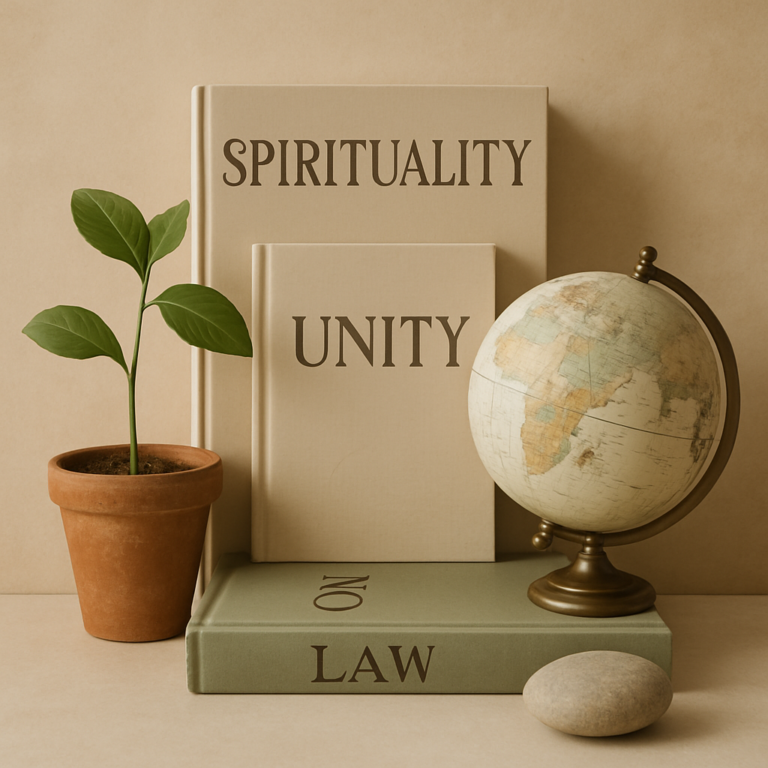 Embracing Our Unity: Core Bahá’í Teachings for Modern Life
Introducing the Teachings of the Bahá’í Faith The Bahá’í Faith invites us to reflect on profound principles that…
Embracing Our Unity: Core Bahá’í Teachings for Modern Life
Introducing the Teachings of the Bahá’í Faith The Bahá’í Faith invites us to reflect on profound principles that…