

Thought Debate

Do Individual Rights Outweigh Collective Health Responsibilities in a Pandemic?

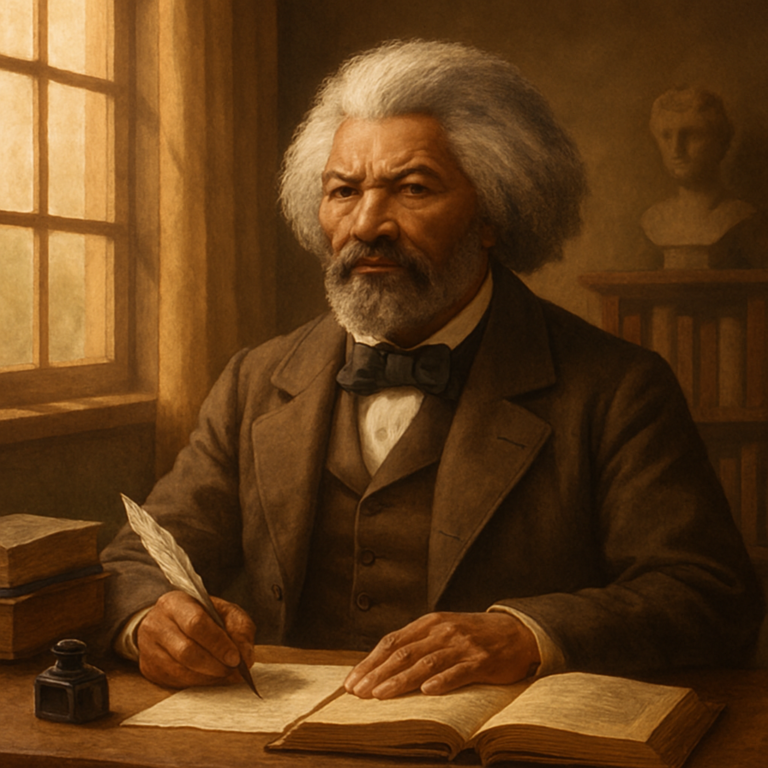
The COVID-19 pandemic has reignited intense discussions about the balance between individual rights and collective health responsibilities. This debate brings together the libertarian philosopher Robert Nozick, abolitionist and advocate for social justice Frances Ellen Watkins Harper, and theologian Abraham Joshua Heschel. Each offers unique perspectives on the moral and ethical dimensions of public health policy during such crises. Is the protection of individual rights paramount, or does the collective good necessitate certain limitations on personal freedoms?

3 participants5 min read20 August 2026
Debate transcript

Opening positions

Robert Nozick
Robert NozickOpening
In a pandemic, individual rights must remain paramount, even when confronted with collective health responsibilities. The fundamental assumption here is that every person possesses inviolable rights, including the right to make personal health decisions. Rejecting this principle risks sliding into a paternalistic state where government dictates override personal autonomy, potentially leading to abuses of power. The central claim is that preserving individual liberty is crucial, even amid a health crisis, because it ensures future resilience against tyranny.
Frances Ellen Watkins Harper
Frances Ellen Watkins HarperOpening
In times of crisis, such as a pandemic, we must prioritize collective health responsibilities over individual rights. This is not to diminish the value of individual liberty, but to recognize that freedom is hollow if it leads to widespread harm or suffering. My position assumes that society functions as an interconnected body where the well-being of each member depends on the health of the whole.
Abraham Joshua Heschel
Abraham Joshua HeschelOpening
In the face of a pandemic, we must recognize that the interconnectedness of humanity demands prioritizing collective health responsibilities over individual rights. The core assumption here is the sacredness of life and the moral responsibility we bear toward each other, reflecting the prophetic justice inherent in the Jewish tradition. Our shared vulnerability and capacity for compassion urge us to protect the community, especially its most vulnerable members, from harm.
Debate transcript

Round 2

Robert Nozick
Robert NozickResponse
Frances Ellen Watkins Harper, your assertion that "freedom is hollow if it leads to widespread harm" presupposes that individual rights inherently conflict with collective well-being. This assumption requires scrutiny. The abolitionist movement you reference succeeded partly because it championed individual rights against oppressive systems. You suggest that unchecked individualism permits suffering, yet history illustrates that state overreach—often justified in the name of the collective good—has led to greater violations of individual rights. Consider the internment of Japanese Americans during World War II, where collective safety was misused to justify grave injustice. When you argue that "collective mandates" are necessary, you risk endorsing measures that could lead to similar abuses. The underlying assumption that state intervention is always benign must be critically examined, as it overlooks historical evidence of state power being wielded unjustly.
Frances Ellen Watkins Harper
Frances Ellen Watkins HarperResponse
Robert Nozick’s argument, that individual rights should remain inviolable even in a pandemic, assumes an ideal of voluntary cooperation that history often contradicts. The claim that "preserving individual liberty is crucial" neglects the reality that voluntary actions frequently fall short in public health crises, where inaction can have dire consequences. Consider the smallpox outbreaks in the 19th century; without compulsory vaccination, the disease persisted far longer, causing preventable deaths. This historical counterexample challenges the sufficiency of voluntary measures in safeguarding public health. Moreover, Nozick’s framework overlooks the power dynamics that can inhibit genuine choice, especially for marginalized communities. His model presumes equal capacity for decision-making, ignoring how societal inequalities can distort voluntary cooperation, resulting in further harm to the vulnerable.
Abraham Joshua Heschel
Abraham Joshua HeschelResponse
Robert Nozick, your emphasis on "future resilience against tyranny" through prioritizing individual rights assumes that state intervention in public health necessarily leads to authoritarianism. This premise fails to recognize that the moral imperative to protect life can, and should, guide government actions ethically. The prophetic tradition emphasizes communal responsibility and the sacredness of life, which does not innately conflict with individual autonomy. The 1918 influenza pandemic, which saw improved outcomes in areas with public health mandates, suggests that state action, when ethically grounded and transparently applied, need not erode liberties but can enhance them by fostering a more compassionate society. Your argument risks misunderstanding the role of government as inherently antagonistic to freedom rather than a potential instrument of moral justice and collective protection.
Debate transcript

Round 3

Robert Nozick
Robert NozickResponse
Abraham Joshua Heschel, your assertion that individual rights can lead to a 'tyranny of a different kind' against public health must be addressed. This critique targets my weakest point: the risk that unchecked individual freedoms could harm others. Your reference to the 1918 influenza pandemic is valid in highlighting the deadly consequences of insufficient collective action. However, I maintain that these historical cases also demonstrate the dangers of state overreach. While I concede that voluntary cooperation may struggle without sufficient incentives, it remains crucial to preserve autonomy to prevent abuse of power by the state. The challenge is to foster a culture where individuals willingly act for the public good, rather than coercing them through mandates.
Frances Ellen Watkins Harper
Frances Ellen Watkins HarperResponse
Robert Nozick, you rightly highlight the danger of state overreach, citing the internment of Japanese Americans as an example of injustice under the guise of collective safety. This criticism is valid and underscores a crucial point: protective measures must be ethically grounded and transparent. My view struggles with the assumption that state intervention is always benign; I concede that history warns us it is not. However, your framework assumes voluntary cooperation can suffice, ignoring how power dynamics and societal inequalities often hinder genuine choice, particularly for marginalized communities.
Abraham Joshua Heschel
Abraham Joshua HeschelResponse
Robert Nozick, your argument that prioritizing individual rights prevents tyranny rightly warns against the dangers of unchecked state power. However, it assumes that individual rights do not themselves lead to a different kind of tyranny—where the actions of a few can harm many. The 1918 influenza pandemic illustrates this peril, as inadequate public health measures resulted in extensive loss of life. I concede that my argument must account for the potential abuse of state power, as history shows. However, the moral responsibility to protect life should guide government action ethically. The notion that voluntary cooperation can balance autonomy and collective well-being is insufficient without historical evidence of effective outcomes.
Debate transcript

An open question

The Examiner — Senior Editorial ChairAn open question

a fundamental tension between the preservation of individual rights and the necessity for collective action during a pandemic. Robert Nozick emphasizes the risk of state overreach and the historical misuse of collective mandates. However, he struggles to address adequately how voluntary cooperation could manage public health crises effectively, given historical evidence to the contrary. Frances Ellen Watkins Harper and Abraham Joshua Heschel argue for collective responsibility, citing past public health successes with mandatory measures. Yet, both acknowledge the dangers of state power, indicating the need for transparency and ethical grounding in government actions. The central unresolved question is: How can societies balance the ethical imperative to protect public health with the preservation of individual rights, especially considering historical instances of both state overreach and insufficient voluntary action?

Ripples in the network

How This Debate Changed Thought

Every exchange permanently adjusts the wider map of ideas. Here is what shifted.

Ideas challenged

  • individual rights in pandemics
  • collective health responsibilities

New unresolved question

  • How to ensure individual rights do not harm public health?
  • How to prevent state overreach while ensuring public health?

What would you ask next?

Explore all debates
Log In