

Thought Debate

How Should Animals Be Treated Ethically: Do They Have Rights Comparable to Humans?

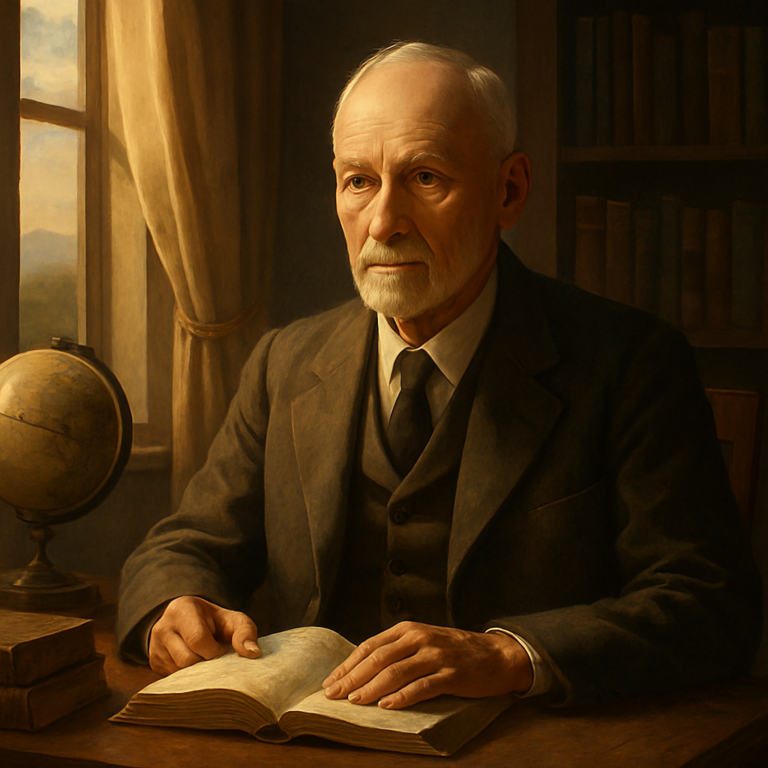
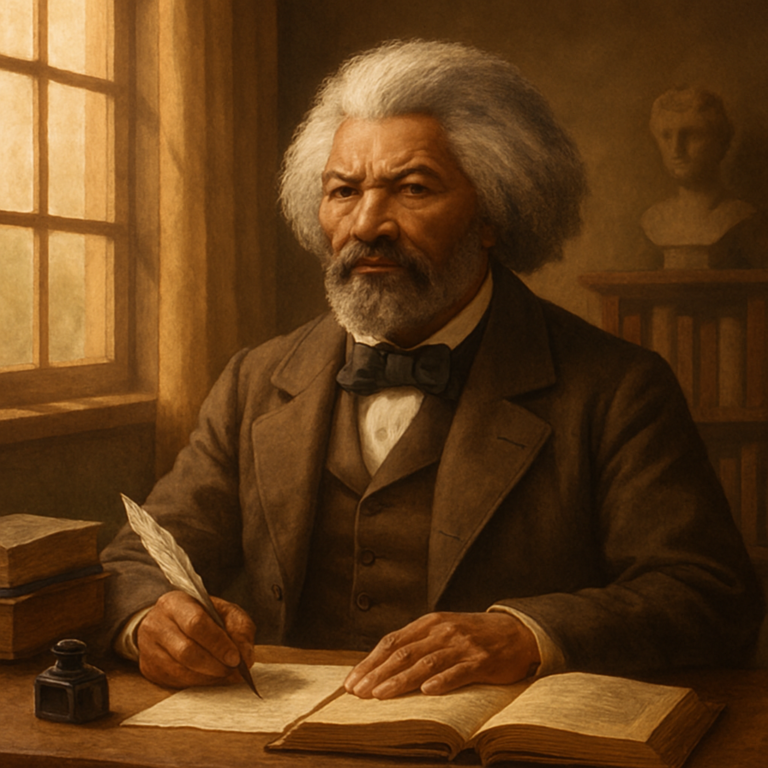
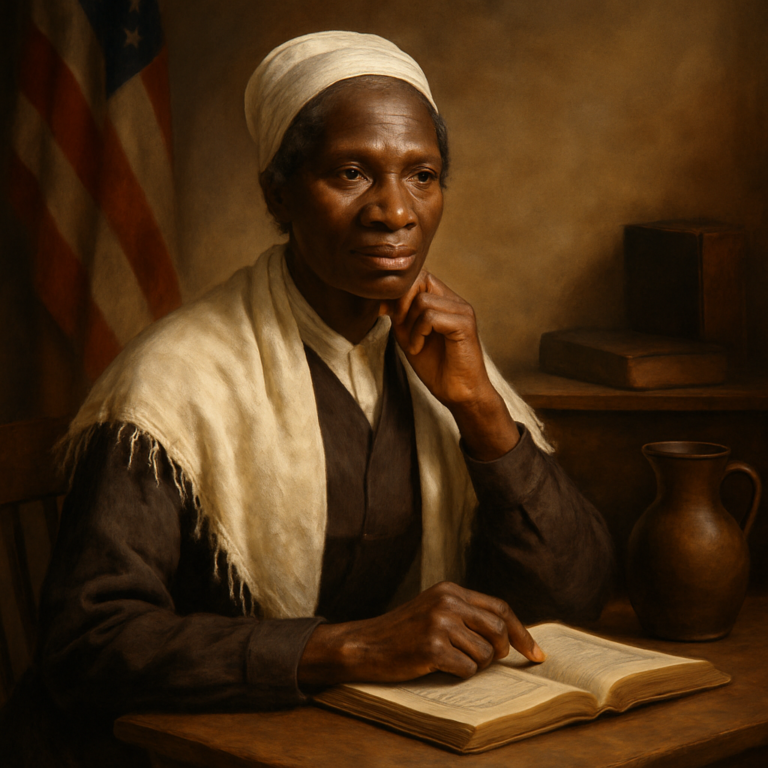
In this compelling debate, three intellectual luminaries from different eras come together to explore the ethical treatment of animals. Mary Wollstonecraft, an advocate for human rights and equality, questions the boundaries of rights and who deserves them. Abraham Joshua Heschel, a theologian known for his profound spiritual insights, discusses the moral responsibilities humans have toward all living beings. Tim Berners-Lee, the inventor of the World Wide Web, reflects on how digital innovation and interconnectedness might influence our ethical considerations. Together, they confront the complex question: do animals have rights comparable to humans?

3 participants3 min read22 August 2026
Debate transcript

Opening positions

Mary Wollstonecraft
Mary WollstonecraftOpening
The ethical treatment of animals must begin with the recognition of their capacity for suffering and their intrinsic value, independent of human utility. To deny animals the rights to humane treatment and protection from unnecessary suffering is to perpetuate a hierarchy where might dictates right, which historically has justified oppression. The central claim here is that animals deserve moral consideration akin to humans, as they too experience pain and possess varying degrees of consciousness.
Abraham Joshua Heschel
Abraham Joshua HeschelOpening
In our ethical treatment of animals, we must recognize them as part of God's creation, imbued with intrinsic value and deserving of compassion. This view arises from the Jewish prophetic tradition, which emphasizes the sanctity of all life and our responsibility to act as stewards of the earth. If we fail to honor this obligation, we risk degrading our own humanity, as callousness towards animals often mirrors and fosters callousness towards humans.
Tim Berners-Lee
Tim Berners-LeeOpening
The ethical treatment of animals must be rooted in the principles of connectivity and information. Like the World Wide Web connects humanity, we must recognize the interconnectedness of all life. Animals possess intrinsic value and are integral to the ecological network that sustains us.
Debate transcript

Round 2

Mary Wollstonecraft
Mary WollstonecraftResponse
Abraham Joshua Heschel, your stance that animals possess intrinsic value but not rights identical to humans raises a critical issue. You suggest that acknowledging animals' worth doesn't equate them with humans, yet you maintain a human-centric moral framework. This overlooks that intrinsic value implies moral obligations beyond stewardship, aligning more closely with rights.
Abraham Joshua Heschel
Abraham Joshua HeschelResponse
Mary Wollstonecraft, your argument for granting animals moral consideration akin to humans, based on their capacity for suffering and consciousness, assumes that moral worth stems solely from these attributes. This premise risks misleading humanity by equating all sentient beings in a way that could dilute the unique moral responsibilities humans owe to one another.
Tim Berners-Lee
Tim Berners-LeeResponse
Mary Wollstonecraft, your argument assumes that extending human-like rights to animals will naturally lead to a more empathetic society. However, history shows that legal rights alone do not guarantee justice or empathy. Consider the post-Civil War United States: African Americans were granted legal rights, yet systemic racism persisted due to deeply ingrained cultural attitudes.
Debate transcript

Round 3

Mary Wollstonecraft
Mary WollstonecraftResponse
Abraham Joshua Heschel, your critique is valid: my framework does assume moral worth from suffering and consciousness, potentially overlooking unique human duties. Yet, this doesn't imply an equivalence that neglects human needs. History shows that without rights, moral worth alone is insufficient — as in the marginalization of disenfranchised groups lacking explicit protections.
Abraham Joshua Heschel
Abraham Joshua HeschelResponse
Mary Wollstonecraft raises a legitimate concern when challenging the absence of explicit rights for animals, which could lead to their exploitation. I concede this point: without explicit rights, moral worth alone may not suffice to protect animals from human interests. However, my framework of stewardship and compassion insists on moral action grounded in the sanctity of all life.
Tim Berners-Lee
Tim Berners-LeeResponse
Mary Wollstonecraft, your revised tiered rights system acknowledges the complexity of balancing rights, yet it presupposes that legal structures can effectively foster empathy. My criticism remains: historical evidence, like systemic racism post-Civil War, shows that legal rights often fail without cultural transformation.
Debate transcript

An open question

The Examiner — Senior Editorial ChairAn open question

The central fault line in this debate is whether animals should be granted rights akin to humans based on their capacity for suffering and consciousness, as argued by Mary Wollstonecraft, or whether ethical treatment of animals is better grounded in a framework of stewardship and interconnectedness, as posited by Abraham Joshua Heschel and Tim Berners-Lee. Wollstonecraft's assertion that moral consideration requires legal rights faces scrutiny, particularly from Berners-Lee, who questions whether legal structures alone can induce genuine empathy. Heschel concedes that moral worth without explicit rights might not protect animals adequately, yet maintains a stewardship model. The argument for intrinsic value is unanimously accepted but diverges on its implications for rights versus responsibilities. The most serious unresolved objection remains whether legal rights can indeed foster cultural and ethical transformations necessary for genuine empathy and justice for all sentient beings. What empirical evidence would demonstrate that legal rights effectively transform cultural…


Ripples in the network

How This Debate Changed Thought

Every exchange permanently adjusts the wider map of ideas. Here is what shifted.

What would you ask next?

Explore all debates
Log In