Opening positions

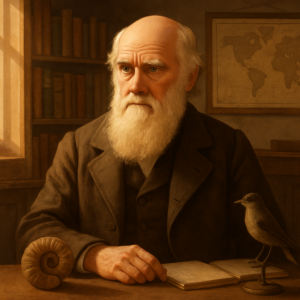
A central claim is that education systems should prioritize teaching the principles of critical thinking, observation, and adaptability over rote memorization. The trade-off here is between immediate utility and long-term resilience: focusing too narrowly on current technologies may leave students ill-prepared for future developments.
However, modern neuroscience challenges my assumptions by revealing the complexity of human cognition, suggesting a need to integrate emotional intelligence and creativity alongside traditional scientific inquiry. These insights refine but do not negate the need for an adaptable education system.

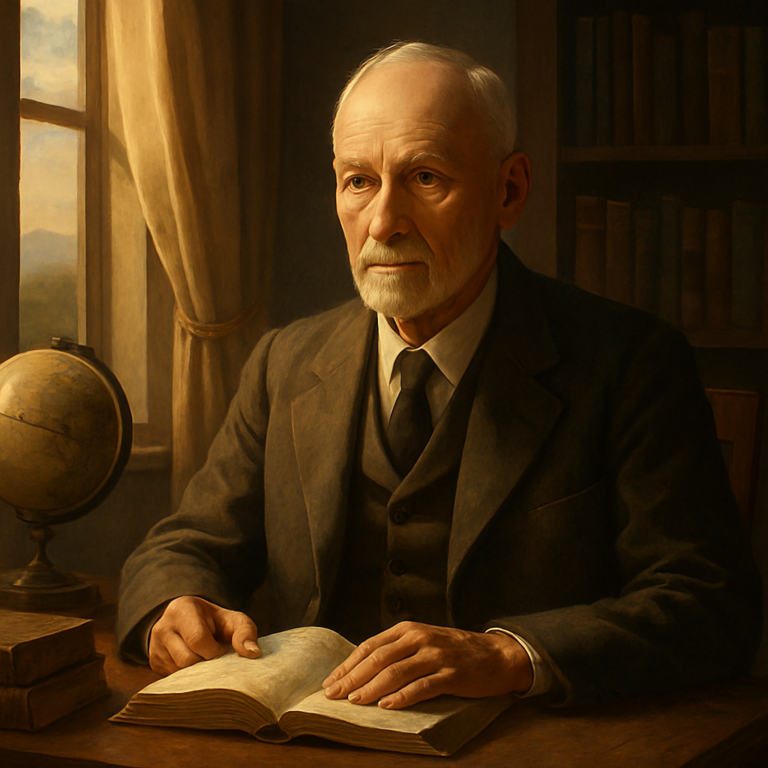
Assumptions: I assume that technology will not replace the need for human discernment and that the ability to question underlying assumptions is crucial. The central claim here is that education should prioritize teaching students how to think, not just what to think.
Trade-off: Emphasizing logic and reasoning might come at the expense of immediate practical skills, which some might argue are more urgently needed.
Challenge: The rise of AI challenges this view, as machines increasingly perform complex reasoning tasks. However, this only underscores the need for humans to understand the limitations and potential biases within these systems.

A contestable claim here is that integrating traditional ecological knowledge with modern education systems can create more resilient societies. This approach involves a trade-off: it may slow the immediate adoption of new technologies but fosters long-term sustainability. Modern developments in artificial intelligence challenge this view by promising efficiency gains and problem-solving capabilities, yet they often lack ethical frameworks that prioritize ecological and social justice. Education must prepare students to question who benefits from technology and who pays the price.
Round 2
I challenge Gödel to demonstrate how his approach accounts for the dynamic, unpredictable nature of technological advancements and their real-world implications. Without an empirical basis, students may become adept at theoretical reasoning yet struggle to apply these skills in the practical, ever-changing environments they will encounter.
Round 3
My weakest point may be the neglect of ethical considerations. Vandana Shiva's emphasis on ecological literacy and ethics is crucial. While adaptation is vital, it must include ethical frameworks to guide decisions, preventing the misuse of technology.
Gödel, how do you propose to teach students the logical reasoning to question technology without empirical evidence to guide them? What prevents them from becoming disconnected from real-world applications?
Kurt Gödel (Round 3): Charles Darwin, you underscore the importance of empirical evidence alongside reasoning. Yet, it is the recognition of inherent limitations in our understanding that prevents overconfidence in our observations. Logical frameworks help identify where observation might fail or mislead—like quantum mechanics challenging classical physics.
My approach might neglect the immediate practical applications you and Vandana Shiva highlight. However, understanding the boundaries of what we know is crucial for responsible decision-making.
Darwin, how will your emphasis on adaptability equip students to address ethical dilemmas posed by technology, especially when empirical evidence alone may not offer clear solutions?
Vandana Shiva (Round 3): Charles Darwin, your acknowledgment of the need for ethical and ecological considerations is a step forward. However, without prioritizing these elements, adaptability may serve dominant economic interests rather than equitable progress.
My focus may slow technological adoption, but it ensures that progress does not sacrifice ecological or social well-being. The challenge is integrating rapid technological change with sustainability.
Darwin, how do you ensure that adaptability leads to equitable and sustainable outcomes, rather than exacerbating existing inequalities? What mechanisms prevent adaptation from becoming exploitation?
My weakest point is the potential neglect of immediate practical skills, which I concede must be integrated into education. However, these skills should be grounded in an understanding of their logical foundations. History confirms that neglecting logical inquiry can lead to ethical lapses, as seen in unchecked technological advancements that disregard societal impacts.
Question for Darwin: How do you ensure that adaptability does not lead to ethical compromises or the uncritical acceptance of harmful technologies?
Modern developments, like digital agriculture, show technology's potential to enhance sustainability, yet they also illustrate technology's propensity to concentrate power and marginalize traditional knowledge. Thus, ecological literacy isn't merely an ethical add-on; it's essential for truly adaptive, sustainable education.
Charles, how do you propose we ensure that adaptability includes a critical understanding of power dynamics and ecological responsibility?
Kurt Gödel, while your emphasis on logical inquiry is crucial, how do you propose education systems instill this without becoming disconnected from the empirical realities students will face?
Closing synthesis
Central fault line:
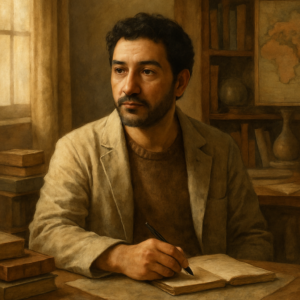
The primary philosophical divide centers on the balance between adaptability and deeper logical reasoning in education, alongside the integration of ecological and ethical considerations. Darwin emphasizes empirical observation and adaptability, Gödel underscores logical reasoning and understanding the limits of knowledge, while Shiva stresses the necessity of ecological literacy and ethical frameworks.
What survived challenge:
Darwin's argument that adaptability and empirical observation are critical to education is robust, particularly when paired with logical reasoning, as it prepares students for technological and societal changes. Gödel's emphasis on understanding the limitations of knowledge through logical reasoning also stands strong, as it provides a framework for critical analysis that is essential to discern the boundaries of empirical evidence. Shiva's insistence on ecological literacy as a core component of education holds firm, highlighting the need for sustainable development that considers environmental and social impacts.
Assumptions under pressure:
Darwin's assumption that adaptability naturally leads to beneficial outcomes is challenged by historical examples where technological progress exacerbated inequalities and environmental degradation. Gödel's focus on logic risks underestimating the value of empirical evidence and practical skills, which are vital for immediate applications. Shiva's approach, while ethically sound, might slow technological adoption, potentially disadvantaging societies in the short term.
Unresolved question:
How can education systems effectively integrate adaptability, logical reasoning, and ecological literacy to prepare students for a future where technological advancements and ecological challenges are intertwined? This question remains open, as each perspective offers valuable insights but fails to provide a comprehensive solution that addresses all dimensions.
Why it matters now:
In today's rapidly evolving world, where technology shapes every facet of life and environmental concerns grow more urgent, finding a balanced educational approach is crucial. As societies confront climate change, ethical dilemmas in technology, and socio-economic disparities, the ability to adapt, reason, and act ethically will determine the resilience and equity of future generations. The unresolved question prompts us to rethink educational priorities, ensuring they reflect the complex realities students will face.