

Ethics · Mathematics
Are modern societies becoming too lonely to function?
Are modern societies becoming too lonely to function?
View Debate →
Thinkers and essays gathered around this school of thought.

Frames human striving as restless will, making compassion and art ways of facing suffering honestly.
“Will must be examined, not inherited.”
Are modern societies becoming too lonely to function?
View Debate →


In an era where consumerism shapes much of our social fabric, the question arises: has this focus on consumption undermined the essence of community and belonging?…
View Debate →

The Essence of Sovereignty: Being and Belonging in the Modern World
View Debate →

The rapid advancement of technology raises concerns about humanity's increasing reliance on technology, potentially undermining essential human qualities and reasoning. The central fault line is The…
View Debate →Ancient
Ancient
Classical
Classical
Medieval
Classical
Modern
Early Modern
Early Modern
Enlightenment
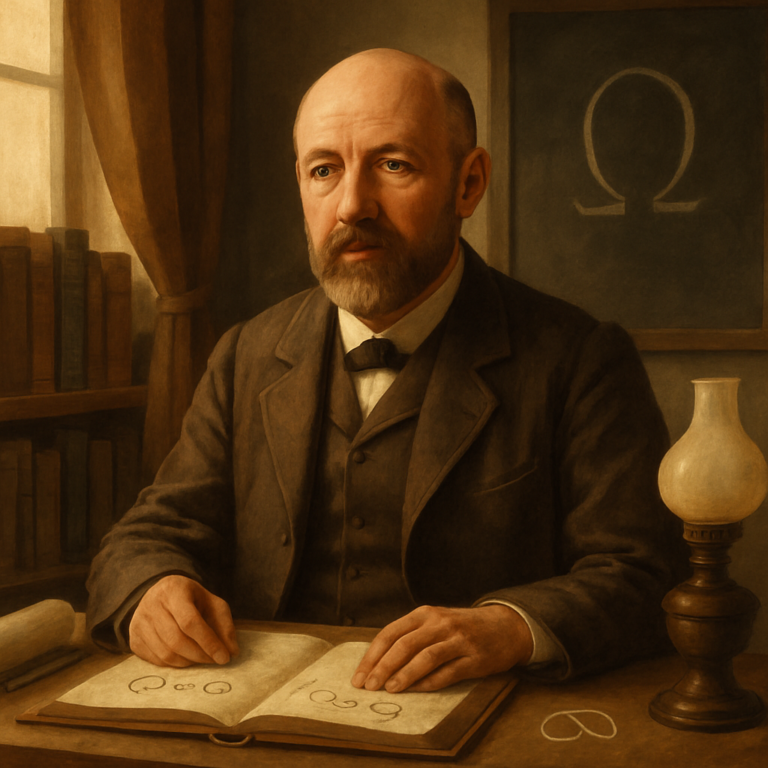
Makes infinity plural, structured, and mathematically debatable.
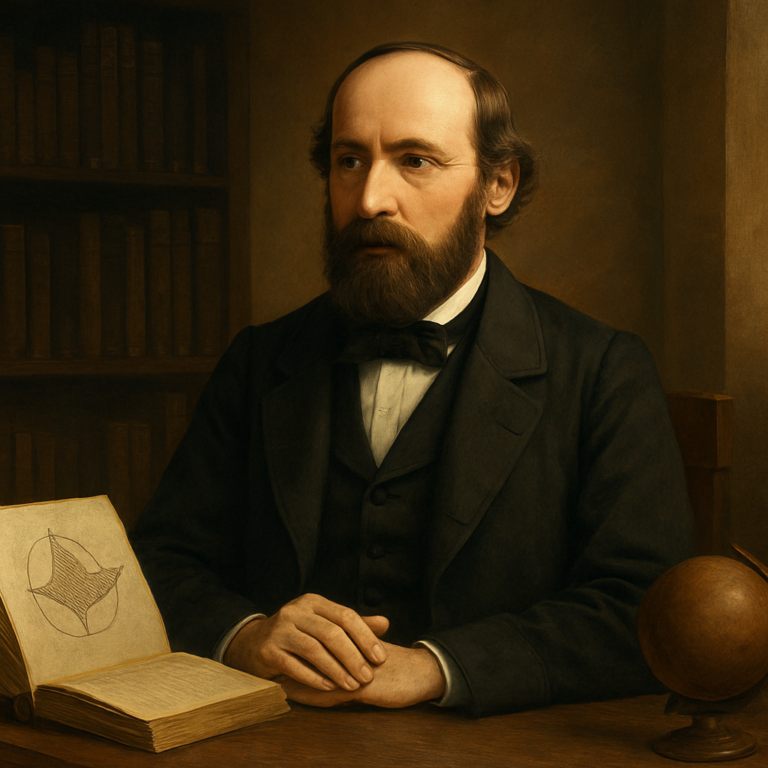
Transforms geometry from fixed space into a field of possible structures.

Bridges Zen-inflected thought and Western philosophy through experience, place, and nothingness.

Uses stories and paradox to loosen rigid identities, judgments, and human pretensions.

Treats practice, time, body, and awakening as inseparable rather than abstract doctrine.

Connects consciousness, evolution, politics, and spiritual practice into a vast integral philosophy.

Explores reality as layered presence, symbol, imagination, love, and divine disclosure.

Builds a vision of politics ordered around virtue, intellect, and human perfection.
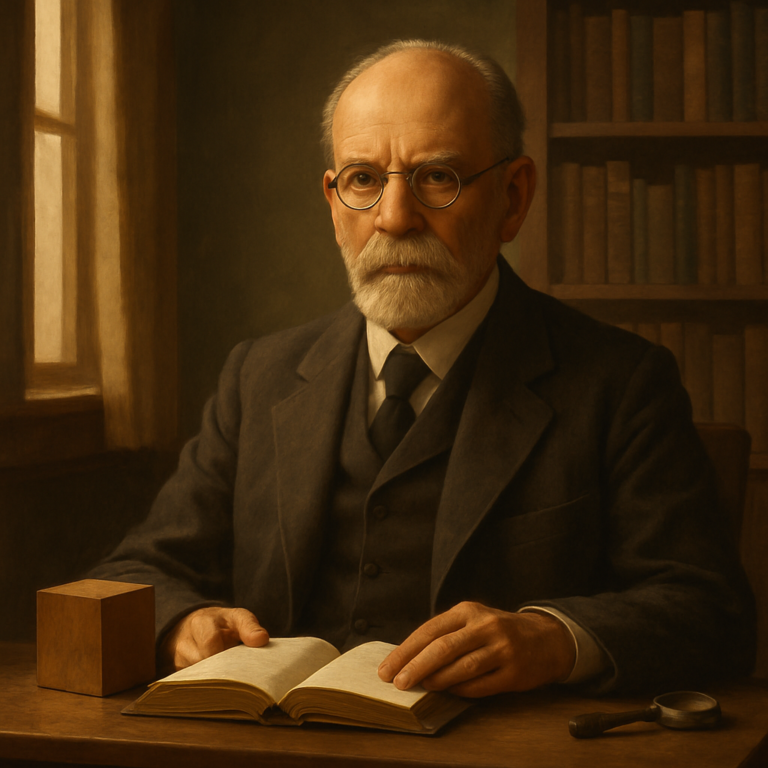
Investigates consciousness by bracketing assumptions and describing how meaning appears in lived experience.

Frames human striving as restless will, making compassion and art ways of facing suffering honestly.
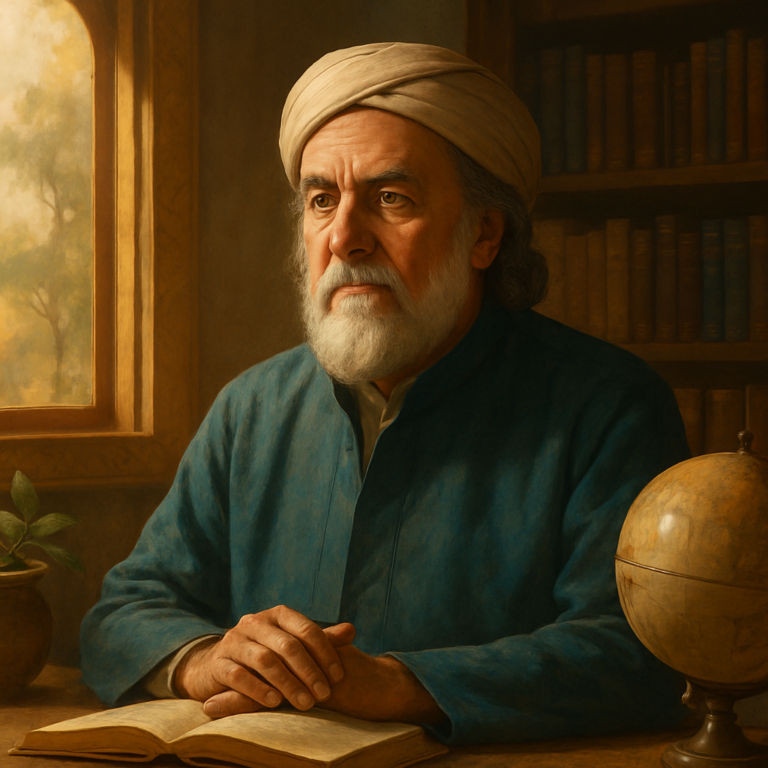
Defends sacred science, tradition, metaphysics, ecology, perennial wisdom, and the spiritual critique of modern reductionism.
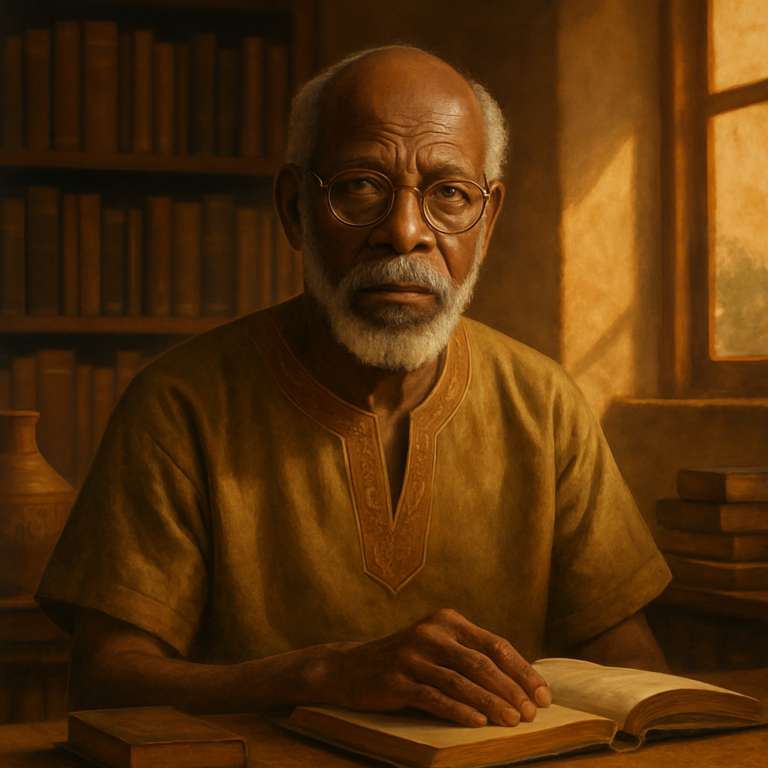
Develops ubuntu as African philosophy, relational personhood, justice, community, law, and the critique of colonial reason.
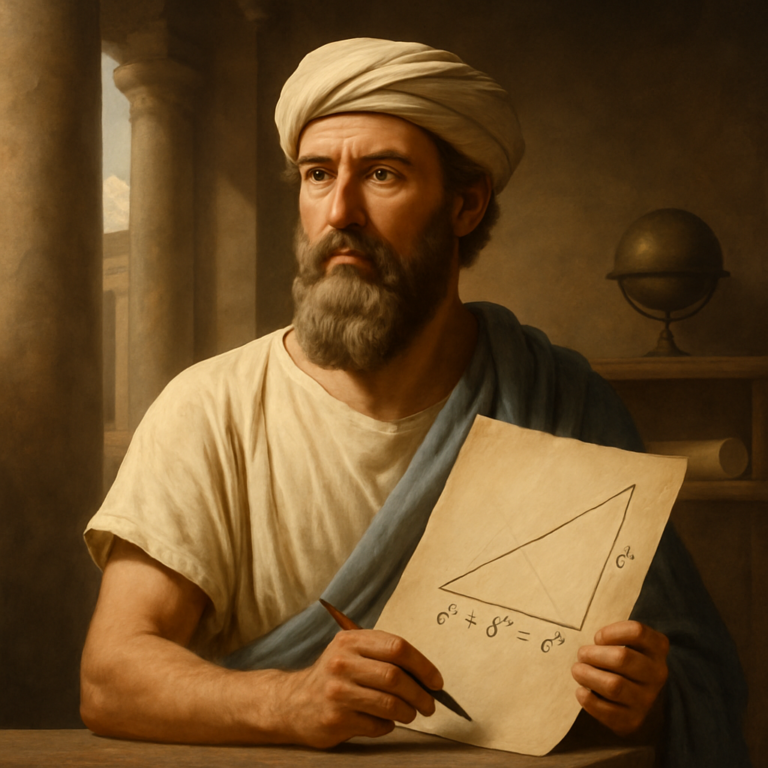
Connects number, harmony, proportion, music, geometry, and the search for hidden order in reality.

Explores incompleteness, formal systems, proof, limits of logic, and the boundaries of mathematical certainty.
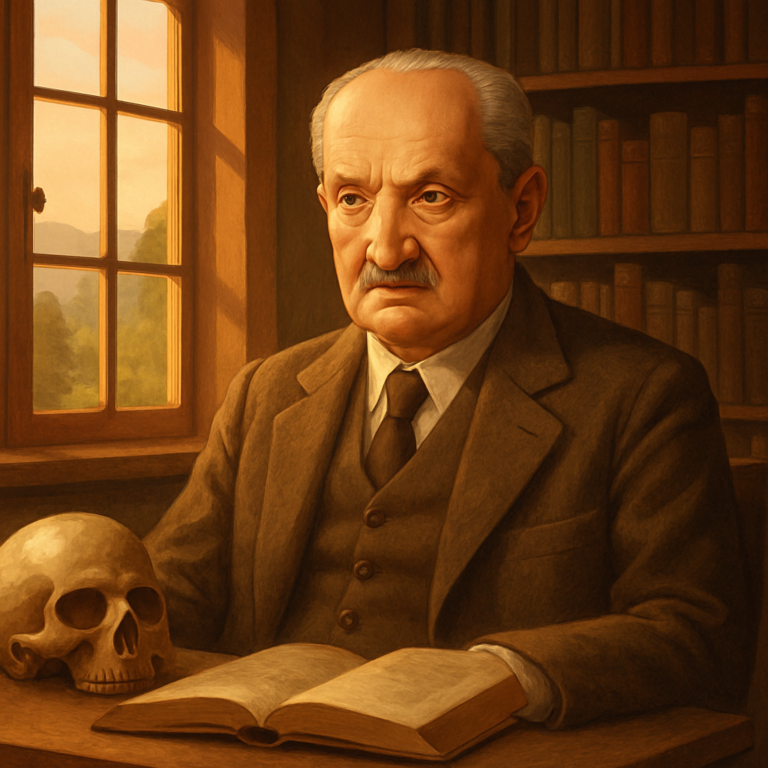
Examines being, time, technology, mortality, authenticity, and human existence through deep phenomenological inquiry.
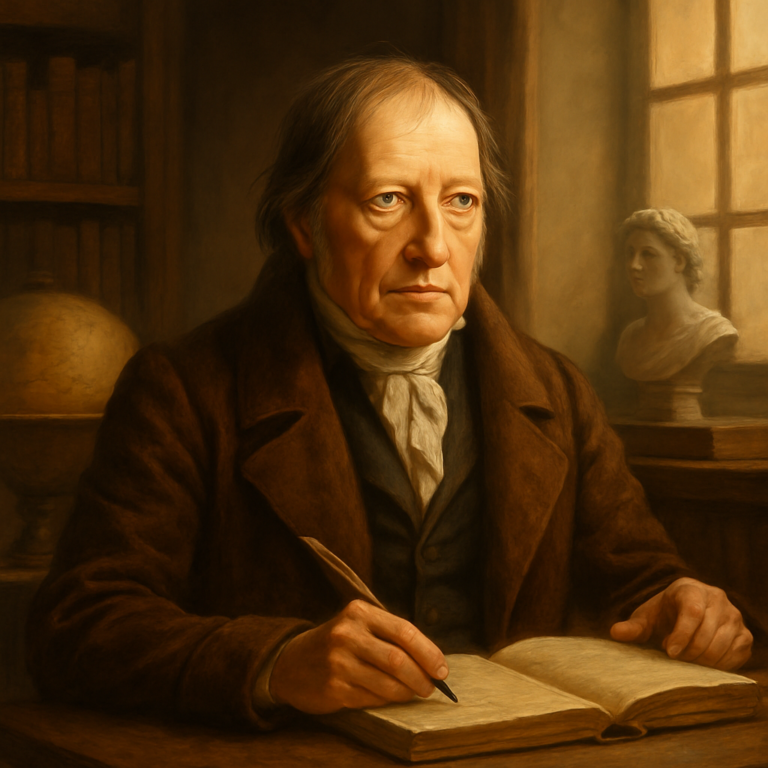
Interprets history, consciousness, contradiction, freedom, and social institutions through dialectical development.

Structures thought around reason, duty, autonomy, experience, judgment, and the limits of what humans can know.

Explores God or Nature, freedom, emotion, ethics, necessity, and human flourishing through geometric reasoning.

Uses radical doubt, clarity, mind-body questions, and rational foundations to examine knowledge and certainty.

Connects metaphysics, medicine, logic, psychology, and the nature of being through rigorous Islamic Golden Age reasoning.
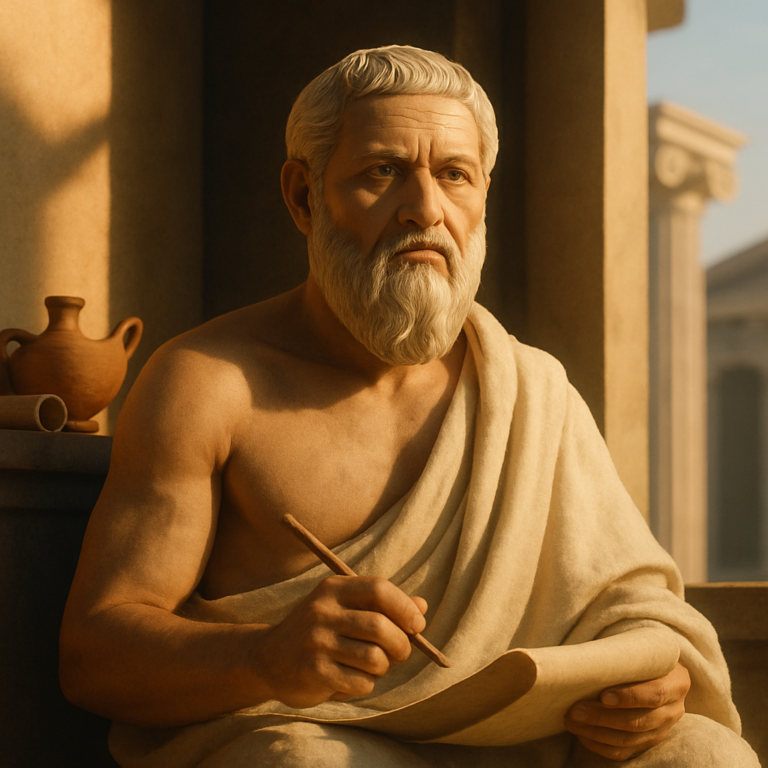
Explores ideal forms, justice, knowledge, education, and the structure of the soul through layered philosophical dialogue.

Approaches life through Dao, simplicity, non-forcing, humility, paradox, and alignment with natural patterns.
The Quest for the Divine: Understanding the Nature of Reality through Ibn Arabi’s Lens In the tapestry of Islamic thought, few figures shine as…
Read ThoughtIntroduction In the realm of philosophy, few concepts are as profoundly unsettling yet essential as doubt. At its core, doubt serves as a critical…
Read ThoughtIntroduction In the realm of philosophy, few questions resonate as profoundly as the relationship between intellect and emotion. This inquiry transcends the boundaries of…
Read ThoughtThe Nature of Freedom: A Spinozist Inquiry Freedom is often heralded as a fundamental aspect of human existence, yet its true nature eludes many.…
Read ThoughtIntroduction In the realm of mathematics, the quest for certainty has been an enduring pursuit. The discipline has often been perceived as a bastion…
Read ThoughtThe Nature of Control In our lives, we often grapple with the desire for control. We seek it in our personal relationships, our careers,…
Read ThoughtA curated path through the thinkers, works, and enduring questions gathered in Ethics.
A curated path through the thinkers, works, and enduring questions gathered in Modern Philosophy.

A curated path through the thinkers, works, and enduring questions gathered in Religion & Mysticism.

A curated path through the thinkers, works, and enduring questions gathered in Western Philosophy.

Begin with one thinker, or join a published debate to hear the disagreements tested live.
You will leave your account area, but your saved helpers, plans, workouts, and credits stay tucked into your profile.