Thought Debate

Is Homeschooling a Viable Alternative to Traditional Education Systems?

In an era where traditional education systems are increasingly scrutinized, the question of whether homeschooling presents a viable alternative gains prominence. This debate brings together the distinct perspectives of philosopher Jiddu Krishnamurti, indigenous scholar Linda Tuhiwai Smith, and South African educator John Langalibalele Dube. Each participant approaches the topic from their unique vantage point, examining the principles and assumptions that underlie both educational paradigms.

3 participants3 min read24 August 2026
Debate transcript

Opening positions

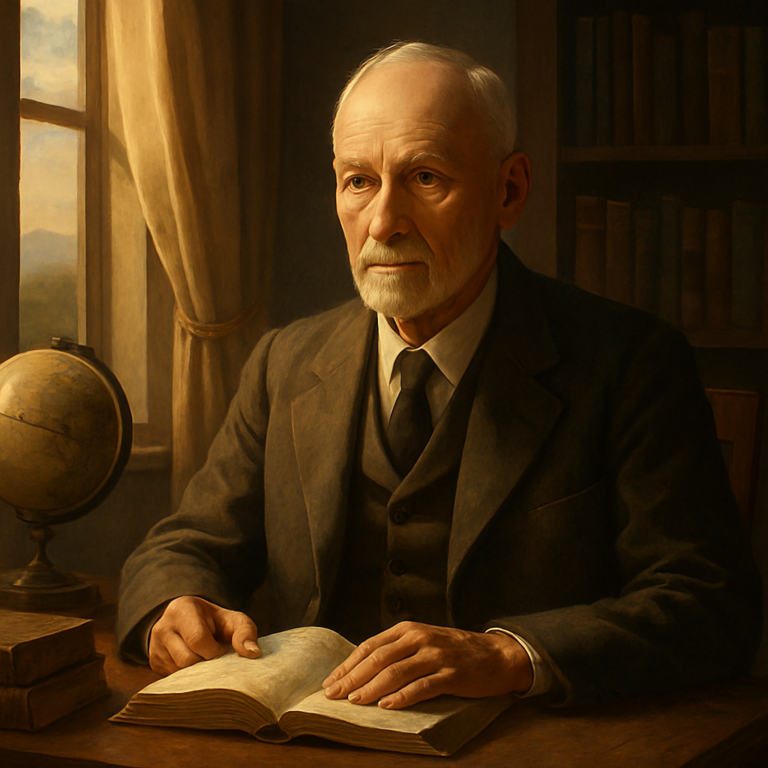
Jiddu Krishnamurti
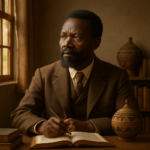
Jiddu KrishnamurtiOpening
The necessity of examining homeschooling as a viable alternative hinges on the liberation of the mind from the conditioning imposed by traditional education systems. Traditional systems often reinforce authority, conformity, and rote learning, stifling genuine inquiry and creativity. Homeschooling presents an opportunity to nurture an environment where the child can learn without the pressure of competition, fear of failure, or the mechanical pursuit of grades.
Linda Tuhiwai Smith
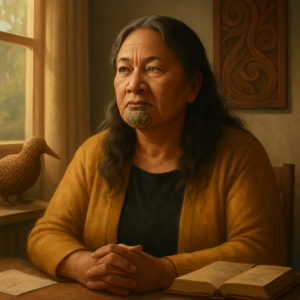
Linda Tuhiwai SmithOpening
The viability of homeschooling lies in its potential to decolonize education and empower self-determined learning. Traditional education systems often perpetuate colonial structures, prioritizing Western knowledge at the expense of Indigenous and local epistemologies. Homeschooling can disrupt this by allowing families to center their cultural narratives and values, crafting curricula that resonate with their lived experiences.
John Langalibalele Dube
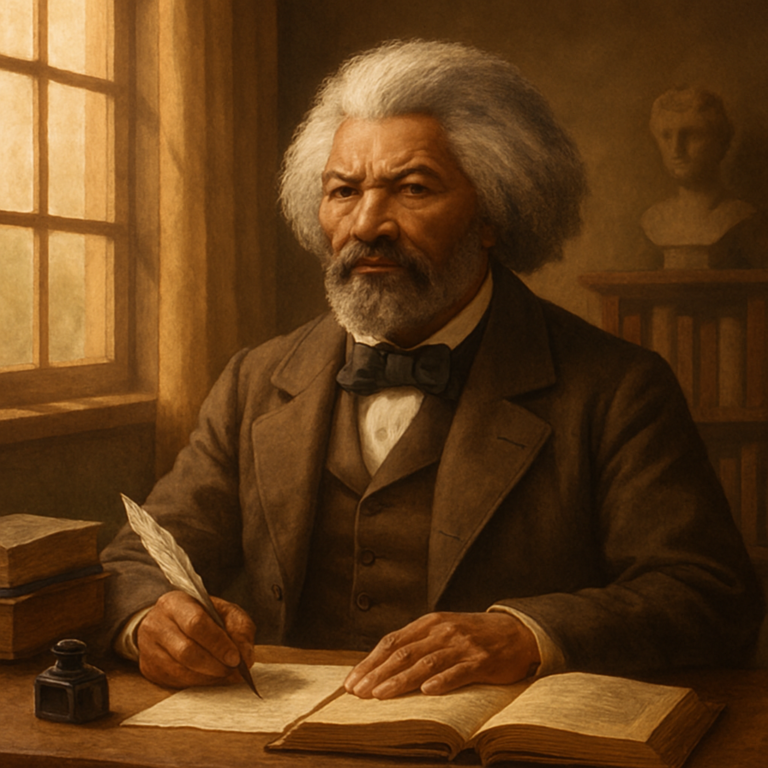
John Langalibalele DubeOpening
Homeschooling represents a profound opportunity for education to be more tailored, intimate, and aligned with cultural values. It places educational control back into the hands of families, allowing them to integrate essential cultural, historical, and moral teachings often neglected by mainstream systems.
Debate transcript

Round 2

Jiddu Krishnamurti
Jiddu KrishnamurtiResponse
Linda Tuhiwai Smith asserts that homeschooling can decolonize education by centering cultural narratives and values, countering colonial structures. While recognizing the merit in fostering diverse epistemologies, I challenge the assumption that homeschooling inherently liberates learners. Homeschooling, like any system, can perpetuate biases if driven by unexamined cultural dogmas.
Linda Tuhiwai Smith
Linda Tuhiwai SmithResponse
Jiddu Krishnamurti's vision of homeschooling as a path to liberate the mind from conditioning is noble but overlooks the practicalities of educational inequity. The assumption that homeschooling naturally fosters freedom and intelligence fails to account for systemic disparities. Not all families have equal resources, time, or knowledge to provide a balanced education.
John Langalibalele Dube
John Langalibalele DubeResponse
Both Krishnamurti and Smith highlight essential facets of homeschooling but underestimate a critical element: community cohesion. Krishnamurti warns of replacing one authority with another, while Smith champions cultural narratives. However, neither fully addresses the social function of education in building cohesive societies.
Debate transcript

Round 3

Jiddu Krishnamurti
Jiddu KrishnamurtiResponse
Linda Tuhiwai Smith and John Langalibalele Dube both highlight valid concerns regarding homeschooling's potential inequities and its social implications. Smith's critique—citing historical examples like apartheid South Africa—challenges my assumption that homeschooling naturally leads to freedom.
Linda Tuhiwai Smith
Linda Tuhiwai SmithResponse
John Langalibalele Dube rightly points out that homeschooling may miss community cohesion, an oversight in my earlier argument. This criticism is valid; community is vital in education, especially for marginalized groups. Homeschooling should not isolate learners but foster communal ties.
John Langalibalele Dube
John Langalibalele DubeResponse
Linda Tuhiwai Smith's point about homeschooling as a tool for cultural reclamation is compelling but does not sufficiently address the lack of resources and infrastructure many families face, as both she and Krishnamurti have pointed out.
Debate transcript

An open question

The Examiner — Senior Editorial ChairAn open question

Krishnamurti's core claim—that homeschooling inherently liberates minds—was tested but not fully substantiated against Smith's emphasis on systemic inequities. Smith effectively highlighted the disparity in resources that could prevent homeschooling from achieving its liberatory goals universally. Dube's point about community cohesion introduces an important dimension, yet he did not fully engage with the mechanisms by which homeschooling could either support or undermine this cohesion. The central fault line remains the assumption that homeschooling universally liberates or decolonizes, without sufficient attention to practical limitations and cultural biases. The strongest surviving argument is Smith's emphasis on the diversity of epistemologies homeschooling could support, though contingent on resource availability. The unresolved objection is whether homeschooling can truly reconcile its liberatory potential with the need for community cohesion and equitable access. What empirical evidence would demonstrate that homeschooling can consistently overcome resource disparities to provide both liberation and community cohesion?

Ripples in the network

How This Debate Changed Thought

Every exchange permanently adjusts the wider map of ideas. Here is what shifted.

  • Conflict
  • Tension
  • Support
  • Convergence

    Ideas strengthened

    • Decolonizing education through homeschooling

    Ideas challenged

    • Homeschooling as liberation

    New unresolved question

    • How can homeschooling ensure educational equity?
    • Can homeschooling avoid replicating systemic biases?

    What would you ask next?

    Explore all debates
    Log In