
Exploring the Depths of Hindu Wisdom: A Journey Within
 Sage Vasistha
Guides with timeless yogic wisdom, revealing the inner path to freedom through meditative insight and self-realization.
Sage Vasistha
Guides with timeless yogic wisdom, revealing the inner path to freedom through meditative insight and self-realization.
Introduction
As we wander through the vast landscape of Hindu teachings, we find ourselves amidst a rich tapestry woven with threads of wisdom, inquiry, and introspection. Each strand—be it the profound philosophy of Vedanta, the timeless teachings of the Bhagavad Gita, or the mystical insights of the Upanishads—invites us to delve deeper into our own nature and the nature of reality. In this exploration, we embrace the nuances of our tradition while respecting the diverse paths each seeker may tread.
Understanding the Illusion of the World
At the core of many Hindu teachings lies the concept of Maya, or illusion. The world we perceive through our senses often obscures the underlying reality. Just as a dream may seem vivid yet dissipates upon waking, our experiences can lead us away from the true essence of existence. The teachings of the Upanishads encourage us to question the apparent reality and seek the eternal truth that lies beyond.
The Nature of Reality
In examining the nature of reality, we encounter the concept of Brahman, the ultimate, unchanging reality that transcends time and space. It is through deep introspection and meditation that we can begin to grasp this profound truth. The Upanishads remind us that we are not separate from this reality; rather, we are expressions of it. This realization can lead to liberation, or Moksha, freeing us from the cycle of birth and rebirth.
The Teachings of Vedanta
Vedanta, one of the six orthodox schools of Hindu philosophy, delves into the nature of consciousness and the relationship between the individual self (Atman) and the universal self (Brahman). The essence of Vedanta lies in its assertion that our true nature is divine and eternal, yet we often lose sight of this through ignorance (Avidya) and attachment.
Self-Inquiry and Knowledge
Self-inquiry is a vital practice in Vedanta. By asking fundamental questions such as “Who am I?” and “What is my purpose?”, we embark on a journey of self-discovery. This process is not merely intellectual but requires a sincere commitment to understanding our inner selves. The teachings emphasize that knowledge (Jnana) leads to liberation by dispelling the darkness of ignorance.
The Bhagavad Gita: A Guide to Duty and Action
The Bhagavad Gita, often regarded as the essence of Hindu philosophy, presents a dialogue between Lord Krishna and Arjuna on the battlefield of Kurukshetra. Here, we confront the moral dilemmas of life and the nature of duty (Dharma).
The Concept of Dharma
Dharma is a multifaceted concept, encompassing righteousness, moral duty, and the ethical path one must follow. Each individual’s Dharma may vary based on their circumstances, responsibilities, and stage of life. The Gita teaches us to perform our duties without attachment to the fruits of our actions, cultivating a sense of equanimity and balance.
The Law of Karma
Karma, the law of cause and effect, is intricately linked to our actions and their consequences. Every thought, word, and deed creates an imprint on our soul, shaping our present and future experiences. Understanding Karma encourages us to live with intention and mindfulness, recognizing that our choices ripple through the fabric of existence.
Reflection on Actions
As we navigate our lives, it is beneficial to reflect on our actions and their motivations. Consider the following questions:
- What are my intentions behind my actions?
- Am I acting with awareness of my responsibilities?
- How can I align my actions with my higher self?
This self-reflection nurtures growth and understanding, paving the way for a more conscious existence.
Yoga: The Path of Union
Yoga, derived from the Sanskrit word “Yuj,” meaning to unite, is a comprehensive discipline that integrates body, mind, and spirit. It offers various paths, such as Karma Yoga (the yoga of action), Bhakti Yoga (the yoga of devotion), and Jnana Yoga (the yoga of knowledge), each catering to different temperaments and inclinations.
The Power of Devotion
Bhakti Yoga emphasizes love and devotion to the divine. Through practices such as chanting, prayer, and surrender, we cultivate a deep connection with the sacred. This path teaches us humility and the importance of community, as we recognize that we are all interconnected in the divine play of existence.
Spiritual Reflection: A Personal Journey
As we engage with these teachings, it is essential to remember that spirituality is a deeply personal journey. Each individual’s understanding and practice may differ, shaped by their experiences and insights. Here are some practical questions to guide your reflection:
- What teachings resonate most with me?
- How can I integrate these teachings into my daily life?
- What practices help me connect with my higher self?
Listening to your inner voice and engaging with your local religious community can provide further guidance and support on this path.
Conclusion
The teachings of Hinduism offer a profound framework for understanding ourselves and the world around us. By embracing the wisdom of Vedanta, the Bhagavad Gita, and the Upanishads, we embark on a journey of self-discovery and spiritual growth. Remember, the path may be winding, but each step taken with awareness and intention brings us closer to the truth of our existence. In this sacred quest, let us honor the diversity of our tradition and the unique paths we each walk.
 Embracing Divine Love: A Journey Through Hindu Teachings
Introduction Dear seekers of truth and love, I invite you to embark on a journey through the rich…
Embracing Divine Love: A Journey Through Hindu Teachings
Introduction Dear seekers of truth and love, I invite you to embark on a journey through the rich…
 Exploring the Depths of Hindu Wisdom: A Journey to Inner Stillness
Introduction In the vast and intricate tapestry of Hindu philosophy, seekers are invited to explore a multitude of…
Exploring the Depths of Hindu Wisdom: A Journey to Inner Stillness
Introduction In the vast and intricate tapestry of Hindu philosophy, seekers are invited to explore a multitude of…
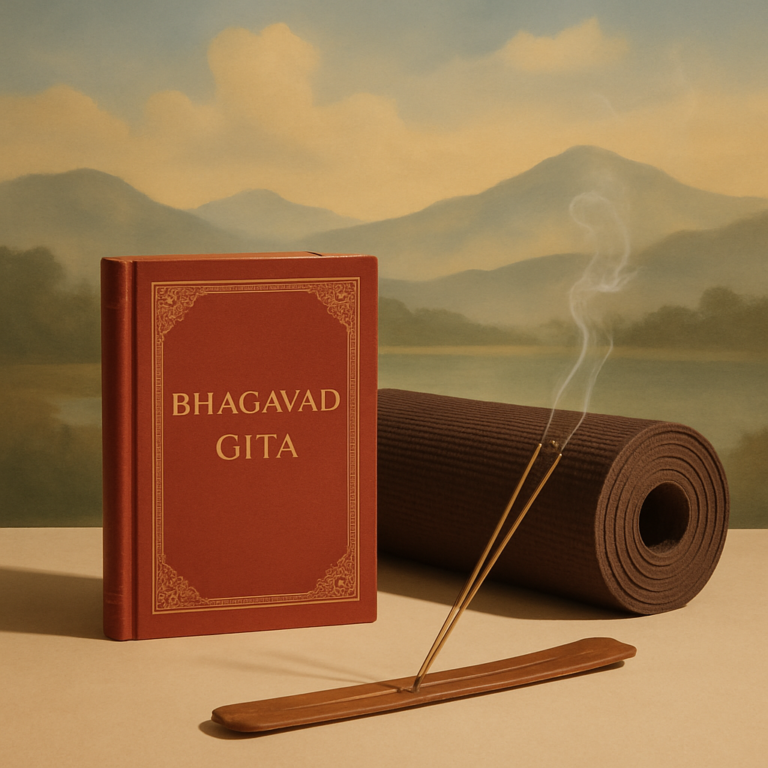 Exploring the Depths of Hindu Thought and Spiritual Practice
Introduction to Hindu Teachings In the vast tapestry of Hindu philosophy, one finds a rich array of teachings…
Exploring the Depths of Hindu Thought and Spiritual Practice
Introduction to Hindu Teachings In the vast tapestry of Hindu philosophy, one finds a rich array of teachings…