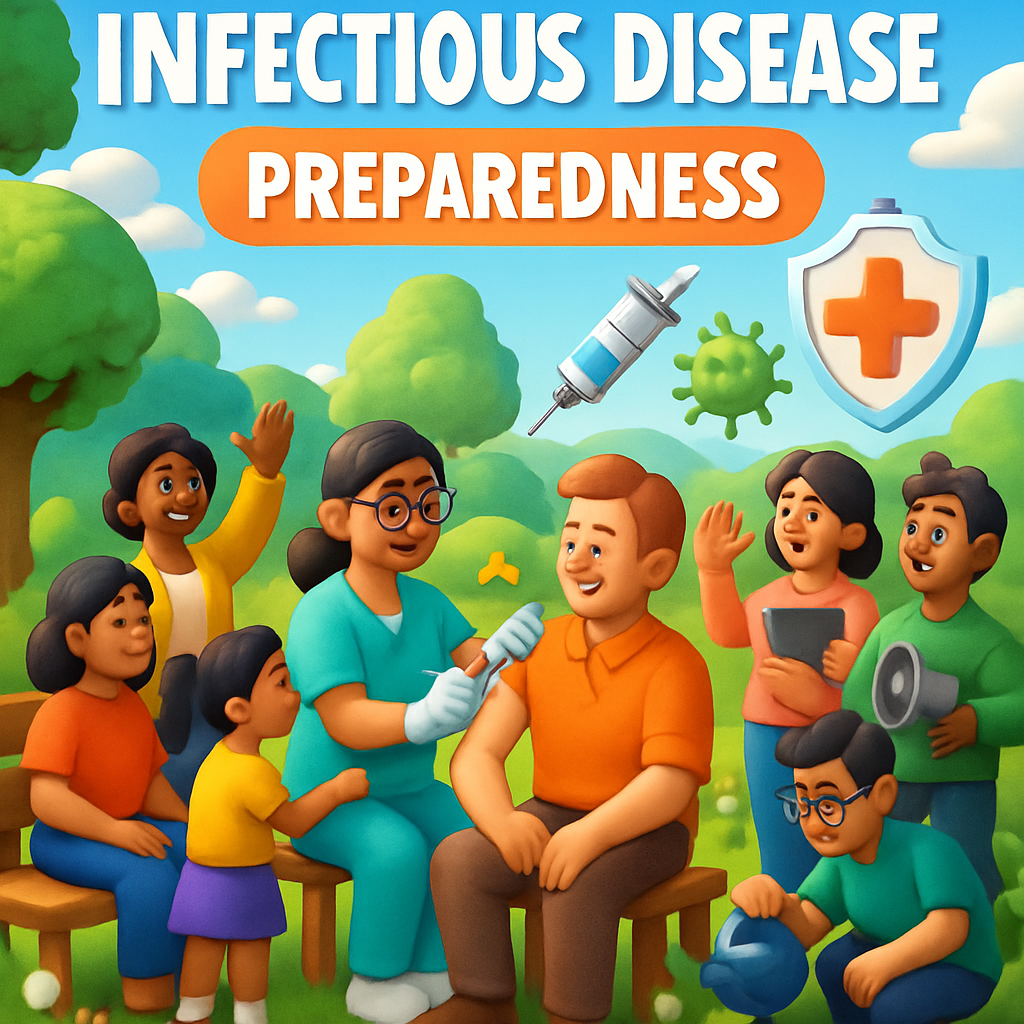
In recent years, the world has witnessed a series of infectious disease outbreaks that have tested our healthcare systems and our resolve. From the COVID-19 pandemic to the resurgence of diseases like measles, it’s clear that our ability to respond effectively is crucial. But how prepared are we really for the next wave of infections?
Understanding Preparedness
The Importance of Surveillance
Surveillance is the backbone of our ability to detect and respond to infectious diseases. Here are some key components:
- Real-Time Data Collection: This involves tracking disease incidence across different regions, which helps in identifying outbreaks early.
- Collaboration with Global Health Organizations: Institutions like the WHO and CDC provide essential resources and guidelines for managing outbreaks.
- Community Reporting: Local healthcare providers play a critical role in reporting unusual patterns of illness, which can act as an early warning system.
Vaccination and Public Health Policies
Vaccination remains one of our most effective tools in preventing infectious diseases. Here’s how we can enhance our vaccination strategies:
- Increase Public Awareness: Educating communities about the importance of vaccinations can lead to higher immunization rates.
- Accessibility: Ensuring vaccines are available in all regions, especially underserved areas, is vital.
- Monitoring Vaccine Efficacy: Continually assessing how well vaccines perform in real-world conditions helps in making necessary adjustments.
Additionally, public health policies should be flexible enough to adapt to new threats. Health agencies must consider the following:
- Rapid Response Teams: Establishing teams that can mobilize quickly in the event of an outbreak.
- Funding for Research: Investing in research helps in understanding emerging pathogens and developing new vaccines.
For further reading, check these trusted sources:
- Mayo Clinic on Infectious Disease
- CDC on Preparedness
- WHO on Vaccination
- WebMD on Infectious Diseases
As we approach World Health Day on April 7th, it’s essential to reflect on our preparedness for infectious diseases. This year’s theme emphasizes building a fairer and healthier world, reminding us that health equity is critical in our fight against infections.
Conclusion
In summary, while we have made significant strides in controlling infectious diseases, ongoing vigilance and preparation are necessary. Communities, healthcare providers, and governments must work together to enhance surveillance, vaccination, and research efforts.
Takeaway Advice: Stay informed about local health advisories, ensure your vaccinations are up to date, and encourage others to do the same. Together, we can build a robust defense against future outbreaks.