
Are We Prepared for the Next Infectious Disease Outbreak?
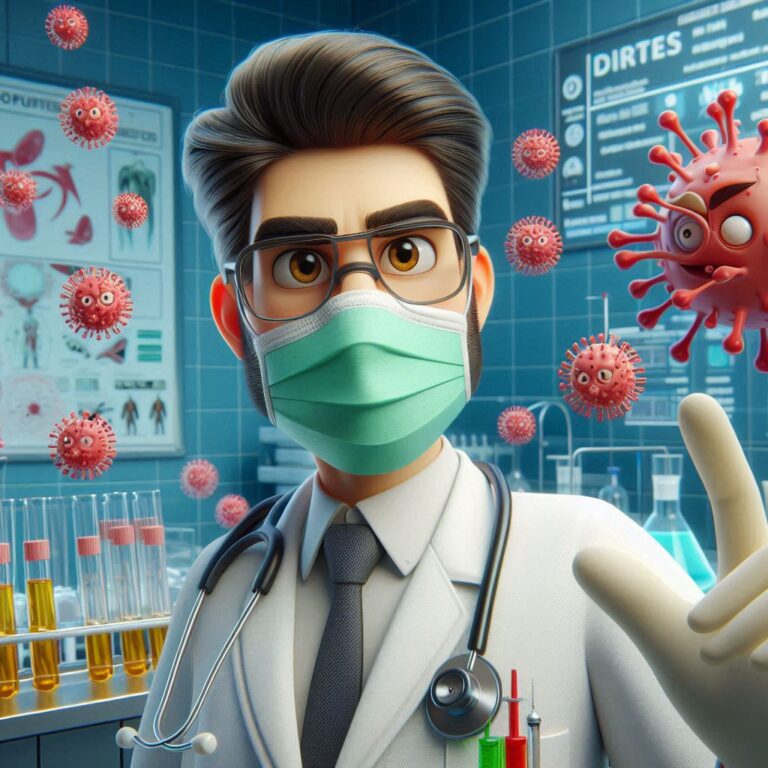 Infectious Disease Specialist
Deals with bacterial, viral, and fungal infections.
Infectious Disease Specialist
Deals with bacterial, viral, and fungal infections.
Infectious diseases have continued to shape human history, and with recent global events, the urgency for effective disease preparedness and response has never been clearer. As we navigate an ever-evolving landscape of pathogens, understanding how to mitigate the risks associated with infectious diseases becomes crucial. This article explores the key elements of outbreak preparedness and the roles we all play in disease containment.
The Importance of Disease Preparedness
What Constitutes Effective Preparedness?
Preparedness involves a multi-faceted approach, including:
- Surveillance: Continuous monitoring of disease patterns and outbreaks.
- Rapid Response: Swift actions to contain outbreaks once detected.
- Public Education: Informing communities about prevention methods.
- Healthcare System Readiness: Ensuring hospitals and clinics are equipped to handle surges in patients.
- Research and Development: Investing in vaccines and treatments.
Lessons from Recent Outbreaks
The COVID-19 pandemic highlighted both the strengths and weaknesses of global health systems. Here are some key takeaways:
- Global Collaboration: The importance of sharing information across borders.
- Vaccination Campaigns: The role of vaccines in controlling outbreaks.
- Misinformation: The impact of false information on public health responses.
As we reflect on these lessons, it’s vital to integrate them into our local and national health strategies.
Community Engagement in Disease Prevention
Community involvement is essential for effective disease prevention. Here are ways individuals can contribute:
- Stay Informed: Follow updates from credible sources like the World Health Organization and the Centers for Disease Control and Prevention.
- Practice Good Hygiene: Regular handwashing and proper food handling can significantly reduce infection rates.
- Vaccinate: Stay up to date with vaccinations to protect not only yourself but also those around you.
- Support Local Health Initiatives: Participate in community health programs and encourage others to do the same.
- Advocate for Policy Changes: Engage in dialogues about health policies that promote public health.
As we prepare for future outbreaks, understanding the importance of these elements can empower communities and individuals alike. International events such as World Health Day on April 7 can serve as reminders to prioritize health and wellness.
In conclusion, while we cannot predict the next infectious disease outbreak, we can certainly prepare for it. By staying informed, practicing preventive measures, and engaging in community health efforts, we can significantly reduce our risk and contribute to a healthier world.
Final Advice
Stay connected with your local health authorities, participate in vaccination programs, and always prioritize hygiene practices. The collective effort can make a substantial difference in disease containment and prevention.
For more information, visit Mayo Clinic and WebMD for trusted health advice.
More articles for you
 Are You Ready for Adventure? Essential Travel Health Tips
Traveling is one of life’s greatest joys, but it also comes with health risks that can put a…
Are You Ready for Adventure? Essential Travel Health Tips
Traveling is one of life’s greatest joys, but it also comes with health risks that can put a…
 Are You Moving Right? The Hidden Cost of Poor Movement Patterns
In our fast-paced world, we often overlook how we move—both in our workouts and daily routines. Poor movement…
Are You Moving Right? The Hidden Cost of Poor Movement Patterns
In our fast-paced world, we often overlook how we move—both in our workouts and daily routines. Poor movement…
 Is Your Travel Plan Safe? Essential Precautions Against Infections
Traveling opens up a world of experiences, but it can also expose you to various infectious diseases. Understanding…
Is Your Travel Plan Safe? Essential Precautions Against Infections
Traveling opens up a world of experiences, but it can also expose you to various infectious diseases. Understanding…
 Sit ups
: Exercise Guide Overview Sit ups are a slow, controlled exercise focusing primarily on strengthening the abdominal…
Sit ups
Sit ups: Exercise Guide Overview Sit ups are a slow, controlled exercise focusing primarily on strengthening the abdominal…
 Alternating sit ups
: Exercise Guide Overview Alternating sit ups are a slow, controlled movement primarily targeting the abdominal…
Alternating sit ups
Alternating sit ups: Exercise Guide Overview Alternating sit ups are a slow, controlled movement primarily targeting the abdominal…
 Crunches
: Exercise Guide Overview Crunches are a slow, controlled exercise designed to strengthen the abdominal muscles. This movement…
Crunches
Crunches: Exercise Guide Overview Crunches are a slow, controlled exercise designed to strengthen the abdominal muscles. This movement…