
Are Your Workout Habits Setting You Up for Injury?
 Injury Prevention Specialist
Guides clients in building safe movement patterns to reduce injury risk.
Injury Prevention Specialist
Guides clients in building safe movement patterns to reduce injury risk.
In our fast-paced world, many of us are eager to achieve fitness goals, but often we overlook the critical aspect of injury prevention. Understanding how to work out smartly is essential not just for immediate gains but for long-term health. Let’s explore how you can build resilient movement patterns that safeguard your body against chronic strain.
The Importance of Injury Prevention in Fitness
Understanding Movement Patterns
Movement patterns refer to the specific ways in which we move during various physical activities. Establishing resilient movement patterns is crucial for reducing the risk of injury. Here are some key points to consider:
- Functional Movements: Prioritize exercises that mimic everyday activities, such as squatting, lifting, and pushing. These help improve overall body mechanics.
- Core Engagement: Strengthening your core can enhance stability and balance, reducing the strain on your back and limbs during workouts.
- Proper Technique: Always focus on form over speed or weight. Poor technique can lead to unnecessary stress on muscles and joints.
Ergonomics in Daily Life
Incorporating ergonomic principles into your daily routine can significantly impact your physical wellness. Here are some tips:
- Workstation Setup: Ensure your desk is at the right height, your chair supports your back, and your keyboard is positioned to avoid wrist strain.
- Posture Awareness: Maintain good posture while sitting, standing, and moving to prevent muscle imbalances and discomfort.
- Regular Breaks: Take short breaks every hour to stretch and move around, reducing the risk of repetitive strain injuries.
Practical Tips for Smarter Workouts
To further reduce the risk of injury during your workouts, consider the following strategies:
- Warm-Up and Cool Down: Always start with a warm-up to prepare your muscles for activity and end with a cool down to promote recovery.
- Listen to Your Body: If you feel pain (not to be confused with normal discomfort), stop the activity and evaluate your technique or consider modifying the exercise.
- Cross-Training: Incorporate a variety of exercises into your routine to prevent overuse injuries and keep your workouts engaging.
For more detailed information on injury prevention, consider exploring resources from trusted organizations like the Mayo Clinic, WebMD, World Health Organization (WHO), and the Centers for Disease Control and Prevention (CDC).
Conclusion
Injury prevention is not just about avoiding pain; it’s about creating a sustainable fitness journey that boosts your overall well-being. By focusing on resilient movement patterns and incorporating ergonomic habits into your lifestyle, you can enjoy a healthier, more active life. Remember, the goal is to work smarter, not just harder. Start implementing these tips today, and your body will thank you tomorrow!
More articles for you
 Are You Ignoring These Signs of Overtraining in Your Fitness Routine?
Overtraining can sneak up on even the most dedicated athletes and fitness enthusiasts. Understanding the subtle signs and…
Are You Ignoring These Signs of Overtraining in Your Fitness Routine?
Overtraining can sneak up on even the most dedicated athletes and fitness enthusiasts. Understanding the subtle signs and…
 Are You Ready to Transform Your Home into a Fitness Haven?
In today’s fast-paced world, finding time to exercise can feel like an impossible task. Luckily, you can transform…
Are You Ready to Transform Your Home into a Fitness Haven?
In today’s fast-paced world, finding time to exercise can feel like an impossible task. Luckily, you can transform…
 Can Fitness Transform Your Health with Chronic Conditions?
Living with chronic conditions can feel daunting, but incorporating fitness into your routine can be a game-changer. Exercise…
Can Fitness Transform Your Health with Chronic Conditions?
Living with chronic conditions can feel daunting, but incorporating fitness into your routine can be a game-changer. Exercise…
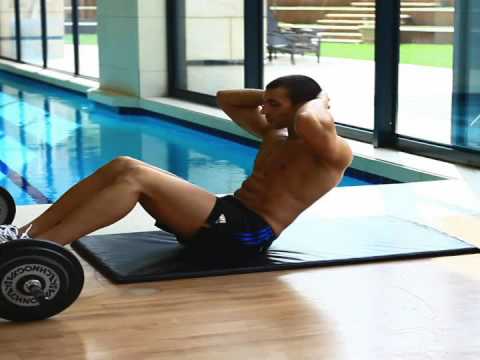 Sit ups
: Exercise Guide Overview Sit ups are a slow, controlled exercise focusing primarily on strengthening the abdominal…
Sit ups
Sit ups: Exercise Guide Overview Sit ups are a slow, controlled exercise focusing primarily on strengthening the abdominal…
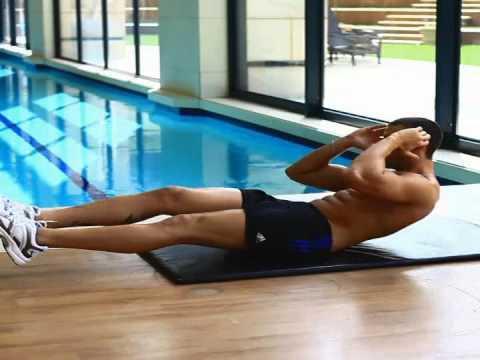 Alternating sit ups
: Exercise Guide Overview Alternating sit ups are a slow, controlled movement primarily targeting the abdominal…
Alternating sit ups
Alternating sit ups: Exercise Guide Overview Alternating sit ups are a slow, controlled movement primarily targeting the abdominal…
 Crunches
: Exercise Guide Overview Crunches are a slow, controlled exercise designed to strengthen the abdominal muscles. This movement…
Crunches
Crunches: Exercise Guide Overview Crunches are a slow, controlled exercise designed to strengthen the abdominal muscles. This movement…