
Are You Moving Right? The Hidden Cost of Poor Movement Patterns
 Injury Prevention Specialist
Guides clients in building safe movement patterns to reduce injury risk.
Injury Prevention Specialist
Guides clients in building safe movement patterns to reduce injury risk.
In our fast-paced world, we often overlook how we move—both in our workouts and daily routines. Poor movement patterns can lead to chronic strain and injuries that affect our quality of life. Let’s dive deeper into understanding what optimal movement looks like and how we can cultivate it.
The Importance of Resilient Movement Patterns
What Are Resilient Movement Patterns?
Resilient movement patterns are those that allow us to perform physical activities safely and effectively. They involve the ability to move through a full range of motion without discomfort or risk of injury. This means not just knowing how to lift weights or run but doing so in a way that respects your body’s biomechanics.
- Key Components of Resilient Movement:
– Joint Mobility: Ensuring joints can move freely can prevent stiffness and injury.
– Muscle Strength: Strong muscles support joints and help maintain proper alignment.
– Balance and Coordination: Good balance reduces the risk of falls and improves overall performance.
Understanding and improving these components can help anyone from athletes to office workers.
Common Movement Errors to Avoid
Even the most seasoned fitness enthusiasts can fall prey to poor movement habits. Here are some common errors:
- Poor Posture: Slouching at your desk or during workouts can lead to back and neck pain.
- Overcompensation: If one muscle group is weak, others may overcompensate, leading to imbalances.
- Inadequate Warm-Up: Skipping warm-ups can increase the risk of strains and sprains.
These mistakes can cause chronic pain and injuries. Addressing them is crucial for long-term health.
Strategies for Improving Movement Patterns
So, how can we improve our movement patterns? Here are some actionable strategies:
- Regular Assessments: Consider working with a physical therapist or an injury prevention specialist to assess your movement patterns. They can provide personalized feedback.
- Incorporate Mobility Work: Prioritize stretching and mobility exercises in your routine. This can improve flexibility and reduce injury risk.
- Focus on Core Strength: A strong core stabilizes your entire body, improving your overall movement efficiency.
- Ergonomic Adjustments: If you work at a desk, make sure your workspace is set up to promote good posture. This includes chair height, monitor level, and keyboard placement.
For more information on injury prevention and movement patterns, check out these trusted sources: Mayo Clinic on Injury Prevention, WebMD’s Guide to Exercise, WHO Physical Activity Recommendations, CDC on Injury Prevention.
Conclusion: Take Action Today
Improving your movement patterns is a lifelong journey that pays dividends in the long run. By becoming more mindful of how you move and making small changes, you can build resilience against injuries and chronic strain. Remember, it’s not just about working out; it’s about moving smartly in every aspect of life. Start today by assessing your routine and making adjustments for a healthier tomorrow.
As we approach International Cancer Awareness Day on February 4th, remember that maintaining a physically active lifestyle not only helps prevent injuries but can also contribute to reducing the risk of various diseases, including cancer. Let’s move in a way that supports our health long-term.
More articles for you
 Is Your Travel Plan Safe? Essential Precautions Against Infections
Traveling opens up a world of experiences, but it can also expose you to various infectious diseases. Understanding…
Is Your Travel Plan Safe? Essential Precautions Against Infections
Traveling opens up a world of experiences, but it can also expose you to various infectious diseases. Understanding…
 What You Need to Know About Travel Vaccinations in 2023?
Traveling to new destinations can be thrilling, but it also comes with health risks that need to be…
What You Need to Know About Travel Vaccinations in 2023?
Traveling to new destinations can be thrilling, but it also comes with health risks that need to be…
 Are Your Workouts Causing Chronic Pain? Here’s How to Tell
In today’s fast-paced world, many people are committed to their fitness routines, but what if those very workouts…
Are Your Workouts Causing Chronic Pain? Here’s How to Tell
In today’s fast-paced world, many people are committed to their fitness routines, but what if those very workouts…
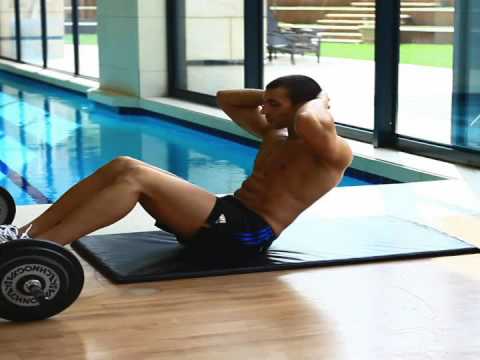 Sit ups
: Exercise Guide Overview Sit ups are a slow, controlled exercise focusing primarily on strengthening the abdominal…
Sit ups
Sit ups: Exercise Guide Overview Sit ups are a slow, controlled exercise focusing primarily on strengthening the abdominal…
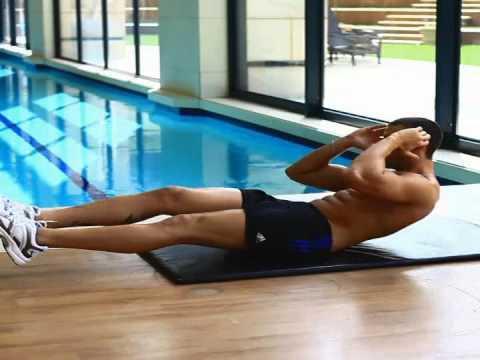 Alternating sit ups
: Exercise Guide Overview Alternating sit ups are a slow, controlled movement primarily targeting the abdominal…
Alternating sit ups
Alternating sit ups: Exercise Guide Overview Alternating sit ups are a slow, controlled movement primarily targeting the abdominal…
 Crunches
: Exercise Guide Overview Crunches are a slow, controlled exercise designed to strengthen the abdominal muscles. This movement…
Crunches
Crunches: Exercise Guide Overview Crunches are a slow, controlled exercise designed to strengthen the abdominal muscles. This movement…