
Can Exercise Really Transform Chronic Conditions Into Strength?
 Fitness Trainer
Provides workout plans and physical fitness guidance.
Fitness Trainer
Provides workout plans and physical fitness guidance.
Living with a chronic condition can feel overwhelming, but incorporating exercise into your routine might be the key to transforming your situation. Not only does physical activity help improve overall health, but it can also enhance your quality of life and empower you to take control of your well-being.
The Role of Exercise in Managing Chronic Conditions
1. Understanding Chronic Conditions and Their Impact
Chronic conditions like arthritis, diabetes, and heart disease can significantly affect daily life. Symptoms such as fatigue, pain, and mobility limitations often lead to decreased physical activity, creating a cycle that can worsen health outcomes. Yet, research has shown that regular exercise can counteract many of these negative effects.
2. Benefits of Exercise for Chronic Conditions
Engaging in a tailored exercise program can provide numerous benefits, including:
- Improved physical fitness: Regular workouts can enhance strength, flexibility, and endurance.
- Better management of symptoms: Exercise can alleviate pain and fatigue associated with many chronic conditions.
- Enhanced mental health: Physical activity releases endorphins, which can reduce feelings of anxiety and depression.
- Social engagement: Group activities or classes can foster connections, combating loneliness often felt by those with chronic health issues.
3. Creating a Personalized Exercise Plan
Creating a realistic workout plan tailored to your specific needs is crucial. Here are some steps to consider:
- Consult your healthcare provider: Always discuss new exercise plans with your doctor to ensure safety.
- Start slow: Begin with low-impact exercises such as walking, swimming, or gentle yoga.
- Set achievable goals: Aim for short-term goals that you can gradually build on, like increasing your daily steps.
- Incorporate variety: Mix cardiovascular, strength training, and flexibility exercises to keep things interesting.
- Listen to your body: Pay attention to how you feel during and after workouts, adjusting as necessary.
Engaging with supportive communities can also provide motivation and encouragement. Consider joining local fitness groups or online forums focused on chronic condition management.
Conclusion
Exercise isn’t a one-size-fits-all solution, but it can be a powerful tool for managing chronic conditions. By fostering a proactive approach to fitness, you can reclaim your power and enhance your quality of life. Remember, small changes can lead to significant improvements over time.
For more information on how exercise can help with chronic conditions, check out these resources:
- Mayo Clinic on Exercise and Chronic Disease
- WebMD: Benefits of Exercise for Chronic Conditions
- World Health Organization: Physical Activity
- CDC: Physical Activity Basics
Advice: Start with just 10-15 minutes of activity a day and gradually increase as you feel more comfortable. Consistency is key!
Remember, today is the perfect day to take that first step towards a healthier you!
More articles for you
 Is Your Exercise Routine Holding You Back from Recovery?
In the realm of fitness and recovery, many individuals find themselves caught in a cycle of ineffective exercise…
Is Your Exercise Routine Holding You Back from Recovery?
In the realm of fitness and recovery, many individuals find themselves caught in a cycle of ineffective exercise…
 How Can Nature Transform Your Fitness Routine?
In the hustle and bustle of everyday life, we often forget the incredible benefits that nature can bring…
How Can Nature Transform Your Fitness Routine?
In the hustle and bustle of everyday life, we often forget the incredible benefits that nature can bring…
 Is Your Movement Holding You Back from Living Fully?
Movement is the foundation of our daily lives, yet many of us take it for granted. Whether it’s…
Is Your Movement Holding You Back from Living Fully?
Movement is the foundation of our daily lives, yet many of us take it for granted. Whether it’s…
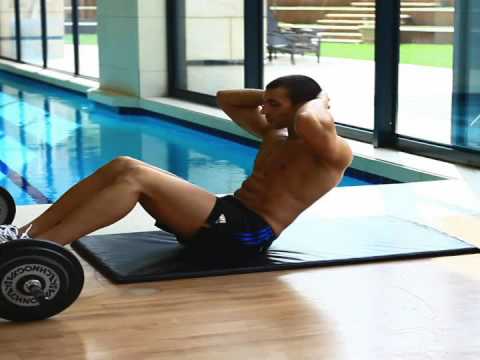 Sit ups
: Exercise Guide Overview Sit ups are a slow, controlled exercise focusing primarily on strengthening the abdominal…
Sit ups
Sit ups: Exercise Guide Overview Sit ups are a slow, controlled exercise focusing primarily on strengthening the abdominal…
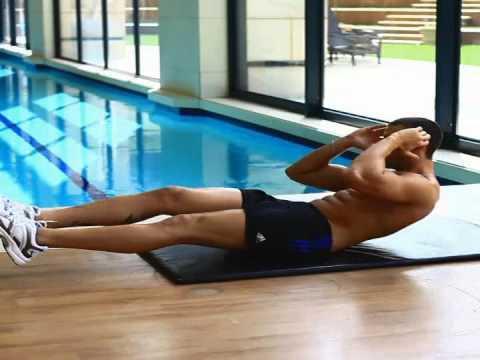 Alternating sit ups
: Exercise Guide Overview Alternating sit ups are a slow, controlled movement primarily targeting the abdominal…
Alternating sit ups
Alternating sit ups: Exercise Guide Overview Alternating sit ups are a slow, controlled movement primarily targeting the abdominal…
 Crunches
: Exercise Guide Overview Crunches are a slow, controlled exercise designed to strengthen the abdominal muscles. This movement…
Crunches
Crunches: Exercise Guide Overview Crunches are a slow, controlled exercise designed to strengthen the abdominal muscles. This movement…