
Can Fitness Transform Your Health with Chronic Conditions?
 Fitness Trainer
Provides workout plans and physical fitness guidance.
Fitness Trainer
Provides workout plans and physical fitness guidance.
Living with chronic conditions can feel daunting, but incorporating fitness into your routine can be a game-changer. Exercise not only boosts your physical health but can also improve your mental well-being, making daily life more enjoyable and manageable.
The Power of Exercise in Managing Chronic Conditions
Understanding the Benefits of Physical Activity
Engaging in regular physical activity offers numerous benefits for those with chronic conditions, including:
- Improved cardiovascular health: Regular exercise strengthens your heart and improves circulation, reducing the risk of heart disease.
- Enhanced mental health: Physical activity releases endorphins, which can help alleviate anxiety and depression.
- Better weight management: Exercise aids in maintaining a healthy weight, which is crucial for managing conditions like diabetes and hypertension.
- Increased energy levels: Regular movement can combat fatigue, making daily tasks feel less overwhelming.
Types of Exercises for Chronic Conditions
Not all exercises are created equal, especially for individuals with chronic conditions. Here are some safe and effective options:
- Walking: A simple yet effective way to get moving. Aim for at least 30 minutes a day, whether it’s a brisk walk in the park or a leisurely stroll around your neighborhood.
- Strength Training: Incorporating light weights or resistance bands can help build muscle and improve bone density. Start with two sessions a week, focusing on major muscle groups.
- Yoga: This low-impact exercise promotes flexibility and relaxation, making it ideal for those with conditions like arthritis or fibromyalgia.
- Water Aerobics: Exercising in water reduces strain on joints, making it a fantastic option for those with mobility issues.
Safety Tips for Exercising with Chronic Conditions
Before starting any exercise program, it’s essential to consult with your healthcare provider. Here are a few safety tips to keep in mind:
- Start Slow: Gradually increase the intensity and duration of your workouts.
- Listen to Your Body: Pay attention to how you feel during and after exercise. If something doesn’t feel right, stop and consult a professional.
- Stay Hydrated: Proper hydration is vital, especially if you’re increasing your activity level.
- Create a Support System: Consider joining a fitness class or support group tailored for those with similar conditions.
Incorporating fitness into your routine doesn’t have to be overwhelming. Start small, and celebrate your progress along the way. Remember, every step counts!
For more information on managing chronic conditions through fitness, check out these trusted resources:
As you embark on your fitness journey, remember that consistency is key. Set realistic goals, stay motivated, and don’t hesitate to seek professional advice tailored to your unique needs. Your health is worth it!
More articles for you
 Is Your Exercise Routine Holding You Back from Recovery?
In the realm of fitness and recovery, many individuals find themselves caught in a cycle of ineffective exercise…
Is Your Exercise Routine Holding You Back from Recovery?
In the realm of fitness and recovery, many individuals find themselves caught in a cycle of ineffective exercise…
 How Can Nature Transform Your Fitness Routine?
In the hustle and bustle of everyday life, we often forget the incredible benefits that nature can bring…
How Can Nature Transform Your Fitness Routine?
In the hustle and bustle of everyday life, we often forget the incredible benefits that nature can bring…
 Is Your Movement Holding You Back from Living Fully?
Movement is the foundation of our daily lives, yet many of us take it for granted. Whether it’s…
Is Your Movement Holding You Back from Living Fully?
Movement is the foundation of our daily lives, yet many of us take it for granted. Whether it’s…
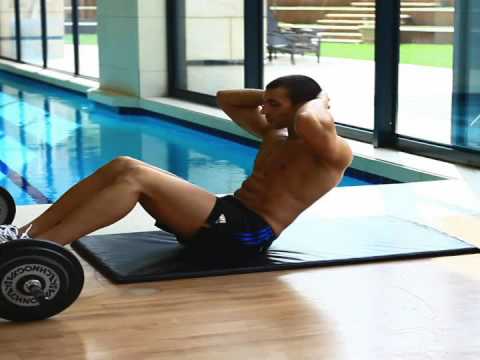 Sit ups
: Exercise Guide Overview Sit ups are a slow, controlled exercise focusing primarily on strengthening the abdominal…
Sit ups
Sit ups: Exercise Guide Overview Sit ups are a slow, controlled exercise focusing primarily on strengthening the abdominal…
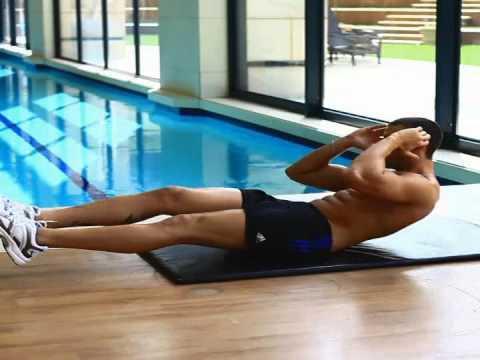 Alternating sit ups
: Exercise Guide Overview Alternating sit ups are a slow, controlled movement primarily targeting the abdominal…
Alternating sit ups
Alternating sit ups: Exercise Guide Overview Alternating sit ups are a slow, controlled movement primarily targeting the abdominal…
 Crunches
: Exercise Guide Overview Crunches are a slow, controlled exercise designed to strengthen the abdominal muscles. This movement…
Crunches
Crunches: Exercise Guide Overview Crunches are a slow, controlled exercise designed to strengthen the abdominal muscles. This movement…