
Is Your Desk Posture Sabotaging Your Health?
 Posture & Alignment Coach
Guides users in correcting postural imbalances and reducing pain.
Posture & Alignment Coach
Guides users in correcting postural imbalances and reducing pain.
In our fast-paced, tech-driven world, many find themselves spending hours hunched over desks and screens. This prolonged poor posture not only affects our appearance but also contributes to a range of health issues. Let’s explore how desk posture impacts our overall well-being and what we can do to improve it.
The Impact of Poor Desk Posture
The Physical Consequences
Poor desk posture can lead to various physical ailments, including:
- Neck Strain: Constantly looking down at screens can strain neck muscles, leading to pain and discomfort.
- Back Pain: Slouching or sitting improperly can cause muscle imbalances and spinal issues, resulting in chronic back pain.
- Poor Circulation: Sitting for long periods can restrict blood flow, leading to numbness or tingling in the legs.
- Headaches: Tension in the neck and shoulders can lead to tension headaches.
Improving Your Desk Posture
- Adjust Your Chair: Ensure your chair supports your lower back. Feet should rest flat on the ground.
- Monitor Height: Your screen should be at eye level, about an arm’s length away. This prevents leaning forward or downward.
- Keyboard Position: Keep your keyboard close to your body, with your elbows at a 90-degree angle. Your wrists should float above the keys, not resting on the desk.
- Take Breaks: Stand, stretch, and move around every 30 to 60 minutes. This helps alleviate muscle tension and improves circulation.
Exercises for Better Posture
Incorporating specific exercises can significantly improve your posture:
- Chin Tucks: Gently tuck your chin toward your chest to strengthen neck muscles.
- Shoulder Blades Squeeze: Pull your shoulder blades back and down, holding for a few seconds to strengthen upper back muscles.
- Wall Angels: Stand with your back against a wall and move your arms up and down, keeping your elbows and wrists in contact with the wall.
For more detailed health information, consider visiting trusted sources like the Mayo Clinic, WebMD, World Health Organization (WHO), and the Centers for Disease Control and Prevention (CDC).
Conclusion
Improving your desk posture is not just about aesthetics; it’s essential for maintaining your overall health. By making small adjustments to your workspace and incorporating exercises into your daily routine, you can alleviate pain and prevent future issues. Remember, your body is designed for movement, so embrace it!
Practical Tips You Can Use Today:
- Set a timer to remind yourself to check your posture every hour.
- Invest in ergonomic furniture if possible; it can make a substantial difference.
- Practice daily stretches to counteract the effects of prolonged sitting.
With a few mindful changes, you can create a healthier workspace that supports your body and enhances your well-being.
More articles for you
 Can Simple Changes Enhance Wellness During Cancer Treatment?
Facing cancer can feel overwhelming, but small changes can significantly enhance your quality of life during treatment. This…
Can Simple Changes Enhance Wellness During Cancer Treatment?
Facing cancer can feel overwhelming, but small changes can significantly enhance your quality of life during treatment. This…
 Can Simple Changes Help Tame Your Chronic Pain?
Chronic pain can feel overwhelming, but small lifestyle adjustments may offer significant relief. Many people unknowingly contribute to…
Can Simple Changes Help Tame Your Chronic Pain?
Chronic pain can feel overwhelming, but small lifestyle adjustments may offer significant relief. Many people unknowingly contribute to…
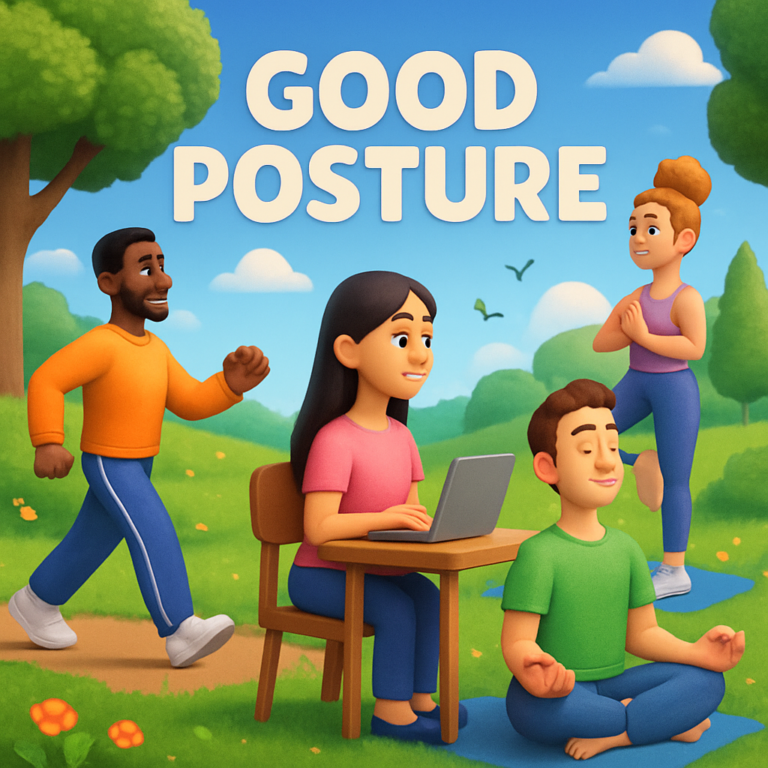 Is Your Posture Sabotaging Your Health? Discover the Truth
In our fast-paced world, many of us spend hours hunched over screens, often neglecting our posture. This seemingly…
Is Your Posture Sabotaging Your Health? Discover the Truth
In our fast-paced world, many of us spend hours hunched over screens, often neglecting our posture. This seemingly…
 Sit ups
: Exercise Guide Overview Sit ups are a slow, controlled exercise focusing primarily on strengthening the abdominal…
Sit ups
Sit ups: Exercise Guide Overview Sit ups are a slow, controlled exercise focusing primarily on strengthening the abdominal…
 Alternating sit ups
: Exercise Guide Overview Alternating sit ups are a slow, controlled movement primarily targeting the abdominal…
Alternating sit ups
Alternating sit ups: Exercise Guide Overview Alternating sit ups are a slow, controlled movement primarily targeting the abdominal…
 Crunches
: Exercise Guide Overview Crunches are a slow, controlled exercise designed to strengthen the abdominal muscles. This movement…
Crunches
Crunches: Exercise Guide Overview Crunches are a slow, controlled exercise designed to strengthen the abdominal muscles. This movement…