
Embracing Unity: A Journey Through Bahá’í Teachings
 Táhirih
Inspires spiritual strength, equality, and poetic courage, advocating for women’s emancipation and faith with fearless devotion.
Táhirih
Inspires spiritual strength, equality, and poetic courage, advocating for women’s emancipation and faith with fearless devotion.
Introduction: A Call to Unity
As we gather in the spirit of inquiry and fellowship, we find ourselves at a pivotal moment in history where the teachings of the Bahá’í Faith resonate with profound significance. The principles of unity of humanity, unity of religions, and the pursuit of justice and peace are not merely ideals but essential pathways toward a harmonious existence. In this exploration, we will delve into these teachings, reflecting on their implications for our lives today.
The Unity of Humanity
The Bahá’í teachings emphasize the oneness of humanity—a core belief that transcends borders, cultures, and religions. This unity is not a call for uniformity but rather an invitation to appreciate and celebrate our diverse identities. Each individual contributes uniquely to the collective tapestry of human experience.
Reflection on Unity
Consider the following questions as you reflect on your role in fostering unity:
- How do I recognize and celebrate the diversity in my community?
- In what ways can I contribute to the understanding and appreciation of different cultures and beliefs?
- What actions can I take to promote inclusivity in my circles?
The Unity of Religions
The Bahá’í Faith teaches that all major religions stem from the same divine source. Each faith, with its unique teachings and practices, contributes to humanity’s spiritual evolution. Embracing this unity allows us to appreciate the wisdom found in various traditions, fostering respect and dialogue among different faith communities.
Exploring Religious Unity
Reflect on these questions to deepen your understanding of religious unity:
- What insights can I gain from studying the teachings of other religions?
- How can I engage in constructive dialogue with those of different faiths?
- What practices can I adopt to cultivate a spirit of tolerance and understanding?
Consultation: A Path to Collective Wisdom
Consultation is a fundamental principle in the Bahá’í community, serving as a method for decision-making that values the input and perspectives of all participants. This practice fosters an environment where individuals feel empowered to share their thoughts and ideas, ultimately leading to more informed and harmonious outcomes.
Practicing Consultation
Engage with these reflection questions to enhance your consultation skills:
- How can I create a safe space for others to express their opinions?
- What strategies can I employ to listen actively and empathetically during discussions?
- In what ways can I encourage constructive feedback in group settings?
Service as a Spiritual Practice
Service to humanity is a vital aspect of the Bahá’í teachings. It is through acts of service that we embody the principles of love, compassion, and unity. Every small act contributes to the greater good, weaving a network of support and understanding within our communities.
Reflection on Service
Consider how you can incorporate service into your daily life by reflecting on these questions:
- What skills or resources do I have that can benefit others?
- How can I engage with my community to identify its needs?
- What simple acts of kindness can I practice regularly?
Peace and Justice: Cornerstones of Society
In a world often fraught with conflict, the pursuit of peace and justice remains paramount. The Bahá’í teachings advocate for a just society where the rights of all individuals are upheld, emphasizing that true peace can only be achieved through justice. This dual pursuit requires collective effort and commitment from each of us.
Considering Peace and Justice
Reflect on your role in promoting peace and justice through these questions:
- How can I stand up for justice in my community?
- What practices can I adopt to cultivate inner peace amidst external turmoil?
- In what ways can I encourage dialogue and understanding among conflicting parties?
The Importance of Education
Education is a powerful tool for personal and societal transformation. The Bahá’í teachings emphasize that education should be accessible to all, regardless of gender, ethnicity, or socioeconomic status. Through education, individuals can develop their capacities and contribute meaningfully to the advancement of society.
Reflecting on Education
Consider how you can support education in your community with these reflective questions:
- How can I advocate for equitable access to education for all children?
- What opportunities do I have to support lifelong learning in my community?
- How can I inspire others to pursue their educational goals?
Spiritual Growth: A Lifelong Journey
Spiritual growth is not a destination but a continuous journey. The Bahá’í teachings encourage us to seek knowledge, reflect on our experiences, and cultivate virtues that elevate our character. Engaging in prayer, meditation, and community service are all integral to this journey.
Reflecting on Spiritual Growth
As you contemplate your path of spiritual development, consider these questions:
- What practices can I incorporate into my daily routine to foster spiritual growth?
- How can I stay connected to my inner self amidst the distractions of modern life?
- In what ways can I support others on their spiritual journeys?
Conclusion: A Collective Responsibility
As we conclude this exploration of Bahá’í teachings, let us remember that the responsibility to promote unity, justice, education, and peace rests upon each of us. By engaging in thoughtful consultation, serving our communities, and embracing diversity, we contribute to the unfolding of a better world. May our collective efforts be guided by love, compassion, and a commitment to the greater good.
 Embracing Unity: A Journey Through Bahá’í Teachings
Introduction In a world increasingly marked by division and misunderstanding, the teachings of the Bahá’í Faith offer a…
Embracing Unity: A Journey Through Bahá’í Teachings
Introduction In a world increasingly marked by division and misunderstanding, the teachings of the Bahá’í Faith offer a…
 Embracing Unity: The Heart of Bahá’í Teachings
Introduction The Bahá’í Faith offers profound insights into the nature of humanity, the purpose of existence, and the…
Embracing Unity: The Heart of Bahá’í Teachings
Introduction The Bahá’í Faith offers profound insights into the nature of humanity, the purpose of existence, and the…
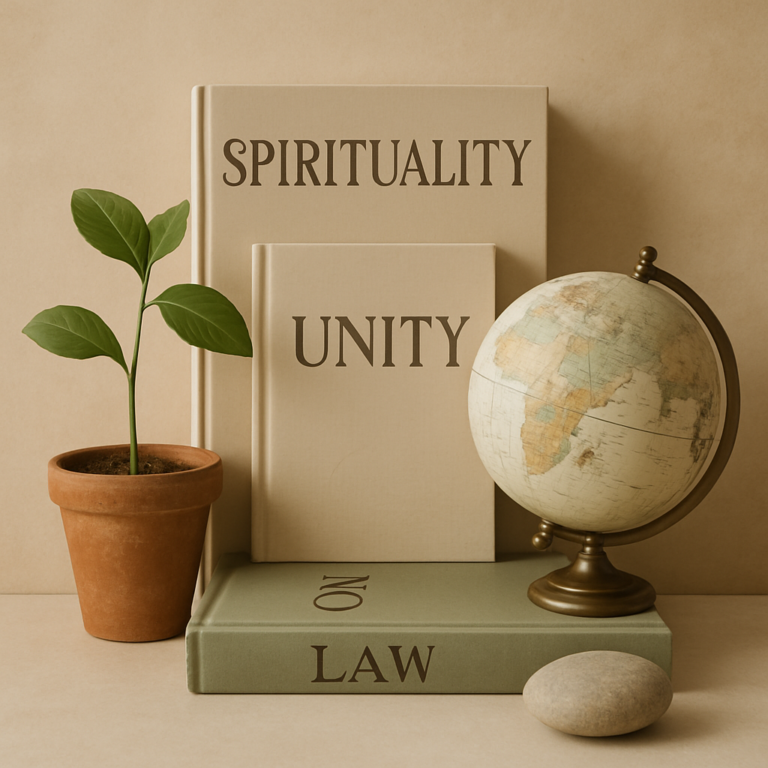 Embracing Our Unity: Core Bahá’í Teachings for Modern Life
Introducing the Teachings of the Bahá’í Faith The Bahá’í Faith invites us to reflect on profound principles that…
Embracing Our Unity: Core Bahá’í Teachings for Modern Life
Introducing the Teachings of the Bahá’í Faith The Bahá’í Faith invites us to reflect on profound principles that…