
Is Your Heart Taking a Silent Hit? Discover the Hidden Risks
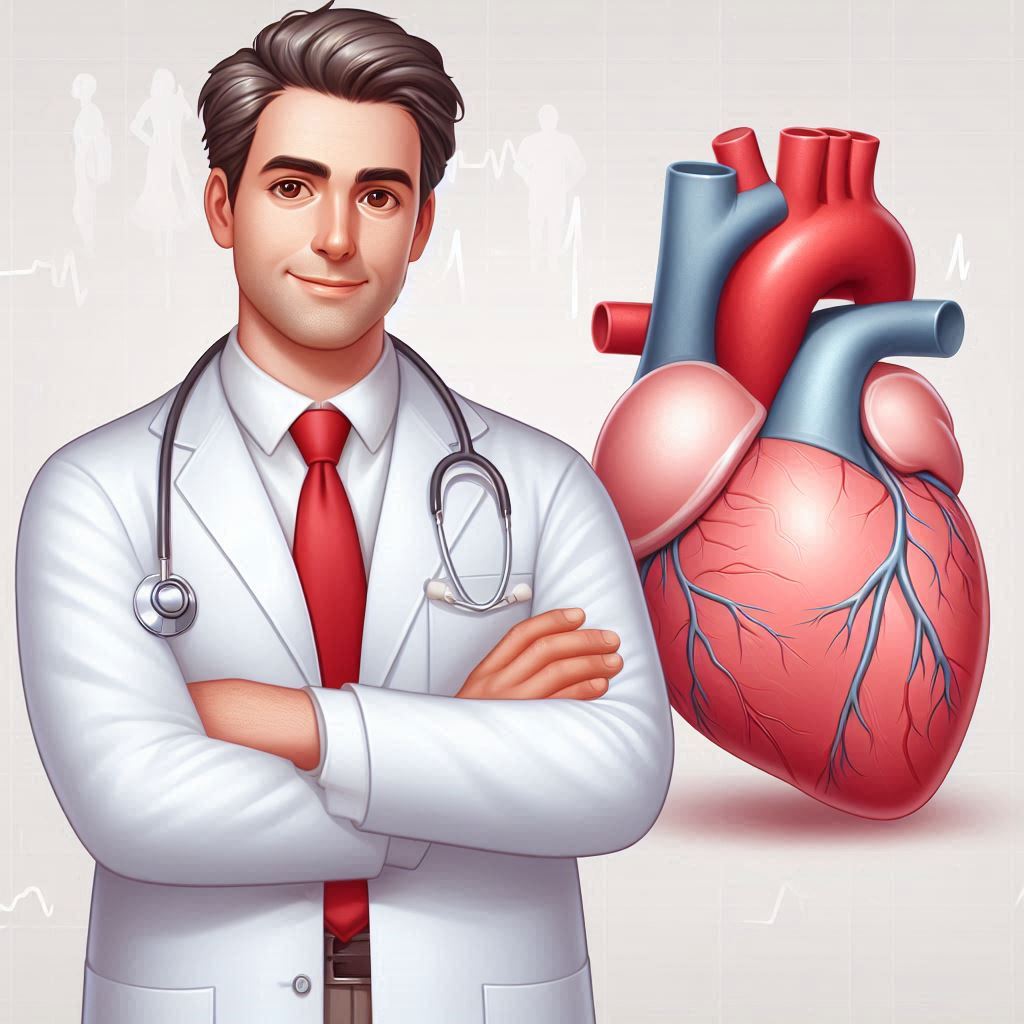 Cardiologist
Focuses on heart health, blood pressure, and circulation-related concerns.
Cardiologist
Focuses on heart health, blood pressure, and circulation-related concerns.
Heart disease remains one of the leading causes of death worldwide, and many people are unaware of the subtle signs that their heart health may be compromised. Understanding these hidden risks is crucial for prevention and management. Let’s explore the factors that can silently affect your cardiovascular wellness.
Recognizing the Silent Threats to Heart Health
Common Risk Factors for Heart Disease
Heart disease doesn’t always present itself with glaring symptoms. Here are some common risk factors you might not be aware of:
- High Blood Pressure: This often silent condition can damage your arteries and lead to heart disease. Regular monitoring is key.
- Cholesterol Levels: High levels of LDL (bad cholesterol) can build up in your arteries, increasing your risk.
- Diabetes: Poorly managed blood sugar levels can lead to heart complications over time.
- Obesity: Excess body weight strains the heart and increases the likelihood of heart disease.
- Smoking: Known to damage blood vessels, smoking significantly raises heart disease risk.
- Sedentary Lifestyle: Lack of physical activity contributes to obesity and other health issues.
- Stress: Chronic stress can indirectly affect heart health by leading to unhealthy habits.
How to Assess Your Heart Health
To take proactive steps toward your heart health, consider the following:
- Regular Check-ups: Schedule annual visits with your healthcare provider to monitor your heart health.
- Blood Pressure Monitoring: Keep track of your readings at home or during doctor visits.
- Cholesterol Tests: Get your cholesterol levels checked regularly, especially if you have risk factors.
- Blood Sugar Testing: If you are at risk for diabetes, regular blood sugar tests can help catch issues early.
- Lifestyle Evaluations: Assess your diet, exercise routine, and stress levels. Make changes as needed.
Proven Strategies for Heart Health
Implementing lifestyle changes can significantly improve your heart health. Here’s a list of strategies:
- Eat a Heart-Healthy Diet: Focus on fruits, vegetables, whole grains, lean proteins, and healthy fats. The Mediterranean diet is often recommended.
- Stay Active: Aim for at least 150 minutes of moderate aerobic activity per week. Activities like brisk walking, cycling, or swimming are excellent options.
- Quit Smoking: Seek support to quit if you smoke, as this is one of the most significant lifestyle changes you can make for your heart.
- Manage Stress: Practice relaxation techniques such as yoga, meditation, or deep breathing exercises.
- Stay Hydrated: Drink plenty of water throughout the day to maintain overall health.
Resources for Further Reading:
- Mayo Clinic: Heart Disease
- WebMD: Heart Disease
- World Health Organization (WHO): Cardiovascular Diseases)
- Centers for Disease Control and Prevention (CDC): Heart Disease
Conclusion
Taking charge of your heart health is essential, especially in a world where lifestyle choices can lead to silent risks. By understanding these factors and adopting healthier habits, you can significantly reduce your risk of heart disease. Remember, regular follow-ups with your healthcare provider can help tailor a plan that’s right for you.
Stay informed, stay proactive, and prioritize your heart health today.
More articles for you
 Is Your Heart Health at Risk? Discover the Signs and Solutions
Heart disease remains one of the leading causes of death globally, yet many people remain unaware of the…
Is Your Heart Health at Risk? Discover the Signs and Solutions
Heart disease remains one of the leading causes of death globally, yet many people remain unaware of the…
 Is Your Heart Really Healthy? The Surprising Truth Revealed
Heart health is more than just a number on a report; it’s about understanding your body, recognizing the…
Is Your Heart Really Healthy? The Surprising Truth Revealed
Heart health is more than just a number on a report; it’s about understanding your body, recognizing the…
 Are You Ignoring These Silent Signs of Heart Disease?
Heart disease remains one of the leading causes of death in the world, yet many individuals remain unaware…
Are You Ignoring These Silent Signs of Heart Disease?
Heart disease remains one of the leading causes of death in the world, yet many individuals remain unaware…