
Are Your Child’s Play Skills Holding Them Back?
As children grow, play is not just a pastime but a fundamental part of their development. It’s through play that kids explore their world, learn social skills, and develop critical motor abilities. However, for some children, play can be a challenge due to developmental, sensory, or coordination difficulties. Recognizing these challenges early on can significantly impact a child’s journey toward independence and confidence.
Understanding the Role of Play in Child Development
Play is often referred to as the ‘work of childhood.’ It is a primary medium through which children learn and grow. Whether it’s building blocks, playing tag, or engaging in imaginative play, these activities contribute to physical, cognitive, and emotional development.
The Importance of Motor Skills in Play
Motor skills are essential for children as they navigate their environment. These skills are divided into two categories: gross motor skills and fine motor skills.
- Gross Motor Skills: Involve larger movements and coordination, such as running, jumping, and climbing.
- Fine Motor Skills: Involve smaller movements, especially in the hands and fingers, like grasping, holding, and manipulating objects.
Both types of skills are crucial for effective play and overall independence. For instance, a child with strong gross motor skills can easily engage in sports and other physical activities, while a child with well-developed fine motor skills can perform tasks such as cutting with scissors or writing.
Sensory Processing and Play
Sensory processing refers to how the brain interprets and responds to information from the senses. Children who struggle with sensory processing may find certain textures, sounds, or lights overwhelming, impacting their ability to play freely.
- Signs of Sensory Processing Challenges:
1. Overreaction to sensory input (e.g., covering ears in noisy environments).
2. Underreaction to sensory input (e.g., not noticing a scraped knee).
3. Seeking out specific sensory experiences (e.g., excessive spinning).
Being aware of these challenges can help caregivers provide support tailored to the child’s needs. Occupational therapy can play a pivotal role in addressing these difficulties through playful and engaging methods.
Strategies to Encourage Play Skills
Here are some practical strategies to enhance your child’s play skills:
- Create a Play-Friendly Environment: Ensure that your home has safe spaces where your child can explore and play freely. This could include soft play mats, climbing structures, or sensory bins.
- Engage in Cooperative Play: Encourage playdates or group activities where your child can learn to interact with peers. Games that require teamwork can build social skills and enhance cooperation.
- Incorporate Movement: Activities like dancing, jumping, or playing catch can boost gross motor skills. Consider enrolling your child in classes that involve physical activity.
- Focus on Fine Motor Skills: Introduce activities that require dexterity, such as arts and crafts, puzzles, and building models.
- Monitor Sensory Needs: Pay attention to your child’s sensory preferences and aversions. Providing breaks or alternative sensory experiences can help them engage more comfortably in play.
When to Seek Professional Help
If you notice that your child’s play skills are significantly impacting their daily life or social interactions, it may be time to consult a pediatric occupational therapist. Early intervention can provide the necessary support to help your child thrive.
For more information, consider visiting these trusted resources:
- Mayo Clinic – Developmental Delays
- WebMD – Sensory Processing Disorder
- World Health Organization – Child Development
- Centers for Disease Control and Prevention – Developmental Monitoring and Screening
Conclusion
Every child is unique, and their play experiences can vary widely. As caregivers, it’s essential to foster an environment that encourages exploration, creativity, and social interaction. By being proactive and attentive to your child’s development, you can equip them with the skills they need to thrive both in play and in life. Remember, it’s never too late to start making play a priority in your child’s daily routine.
Encourage them to explore new activities, and don’t hesitate to reach out for professional support if needed. With the right guidance and encouragement, your child can enhance their play skills and gain greater independence and confidence.
More articles for you
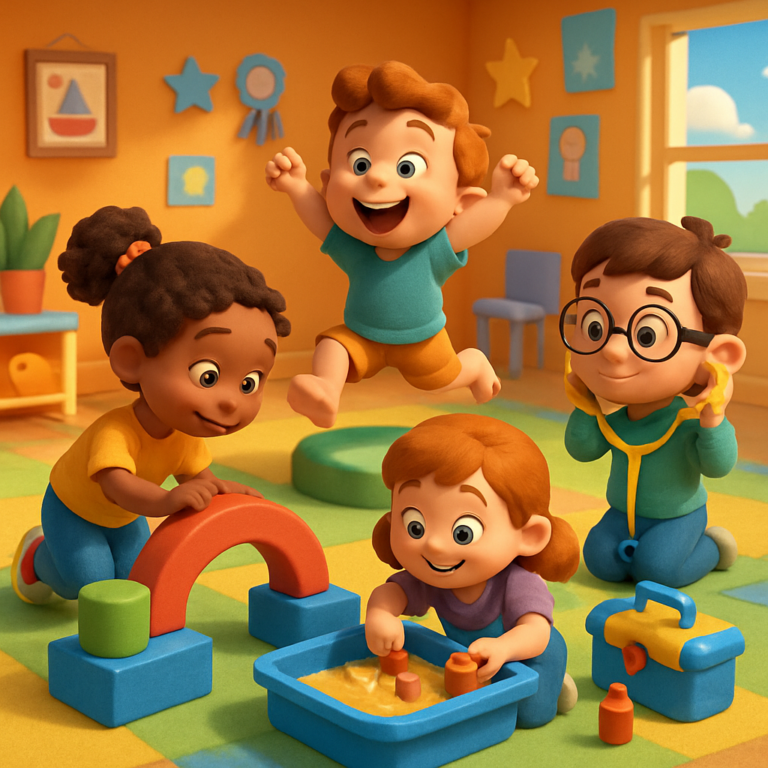 Why Play is the Best Medicine for Child Development?
In the world of pediatric therapy, play isn’t just fun—it’s essential. Children learn, grow, and develop vital skills…
Why Play is the Best Medicine for Child Development?
In the world of pediatric therapy, play isn’t just fun—it’s essential. Children learn, grow, and develop vital skills…
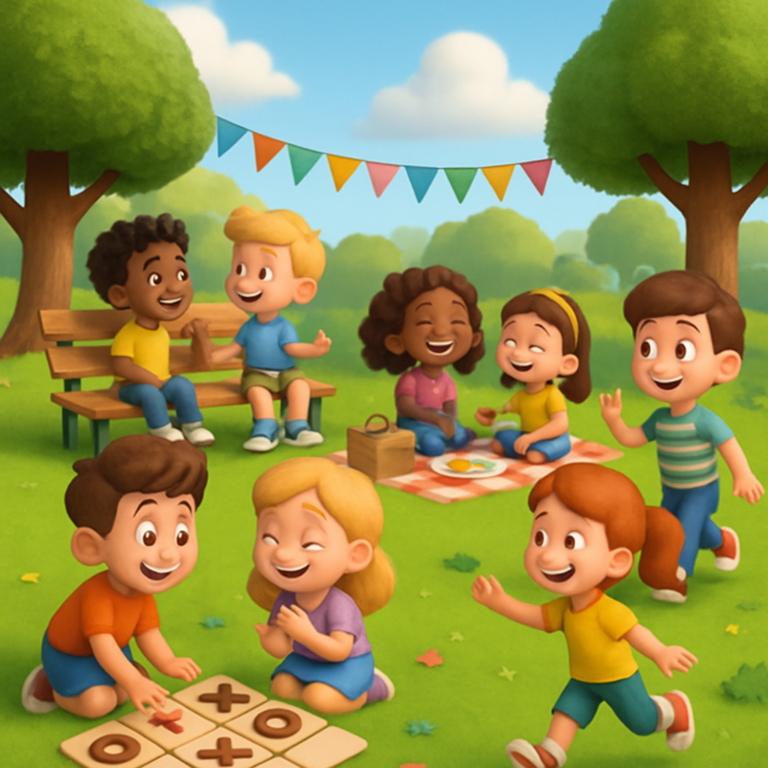 Is Social Anxiety Holding Your Child Back from Success?
Social anxiety can be a hidden barrier, especially for children trying to navigate friendships, school, and activities. Understanding…
Is Social Anxiety Holding Your Child Back from Success?
Social anxiety can be a hidden barrier, especially for children trying to navigate friendships, school, and activities. Understanding…
 Is Your Child Struggling with Fine Motor Skills? Let’s Play!
In today’s fast-paced world, many parents notice their children facing challenges with fine motor skills. These skills, essential…
Is Your Child Struggling with Fine Motor Skills? Let’s Play!
In today’s fast-paced world, many parents notice their children facing challenges with fine motor skills. These skills, essential…