
How Can Play Transform Your Child’s Development Journey?
Play is often seen as just fun, but it serves a much deeper purpose in a child’s development. It is through play that children learn vital skills, explore their environment, and express their emotions. As a Pediatric Occupational Therapist, I’ve seen firsthand how engaging children in playful activities can help them overcome various developmental challenges, enhance their independence, and boost their confidence.
The Power of Play in Child Development
Why Play Matters
Play is not merely a break from learning; it is an essential part of learning itself. The American Academy of Pediatrics states that play is crucial for children’s cognitive, physical, social, and emotional development. Here are some key benefits of play:
- Cognitive Growth: Engaging in play helps children develop problem-solving skills and creativity.
- Physical Skills: Activities like climbing, running, and jumping enhance gross motor skills, while crafts and puzzles develop fine motor skills.
- Social Interaction: Play encourages teamwork, sharing, and communication among peers, fostering social skills.
- Emotional Resilience: Through play, children can express feelings and learn to cope with emotions, which is vital for mental health.
Types of Play to Encourage
Different types of play can support various developmental areas. Here are some types you can incorporate into your child’s routine:
- Physical Play: Activities like tag, dancing, or sports that improve coordination and strength.
- Constructive Play: Building blocks, LEGO sets, or art projects that promote creativity and fine motor skills.
- Pretend Play: Role-playing games that enhance social skills and emotional understanding.
- Games with Rules: Board games or structured sports that teach patience, turn-taking, and strategic thinking.
Engaging in these types of play not only makes learning enjoyable but also provides a safe space for children to explore their capabilities.
Practical Strategies for Parents
As a parent, you can play a significant role in facilitating this development through playful interactions. Here are some strategies:
- Create a Playful Environment: Designate a safe play area with various toys and materials that encourage creativity.
- Join In: Participate in playtime with your child. This not only strengthens your bond but also models social skills.
- Follow Their Lead: Allow your child to direct their play. This fosters autonomy and decision-making skills.
- Balance Structured and Unstructured Play: While structured activities have their place, unstructured play allows for creativity and self-expression.
Remember, play should always be a source of joy, not pressure. Allow your child to explore at their own pace.
For more information on the importance of play in child development, you can refer to reputable sources such as the Mayo Clinic, WebMD, WHO, and CDC.
Conclusion: Embrace Play as a Tool for Growth
Incorporating play into your child’s daily routine can significantly impact their development. It is essential to recognize play as a fundamental component of learning and growth. By creating opportunities for playful interactions, you can help your child develop essential life skills and foster a love for learning that lasts a lifetime.
As you think about ways to enhance your child’s development, remember that play is not just an activity; it’s a pathway to growth. So, embrace the joy of play and watch your child flourish!
More articles for you
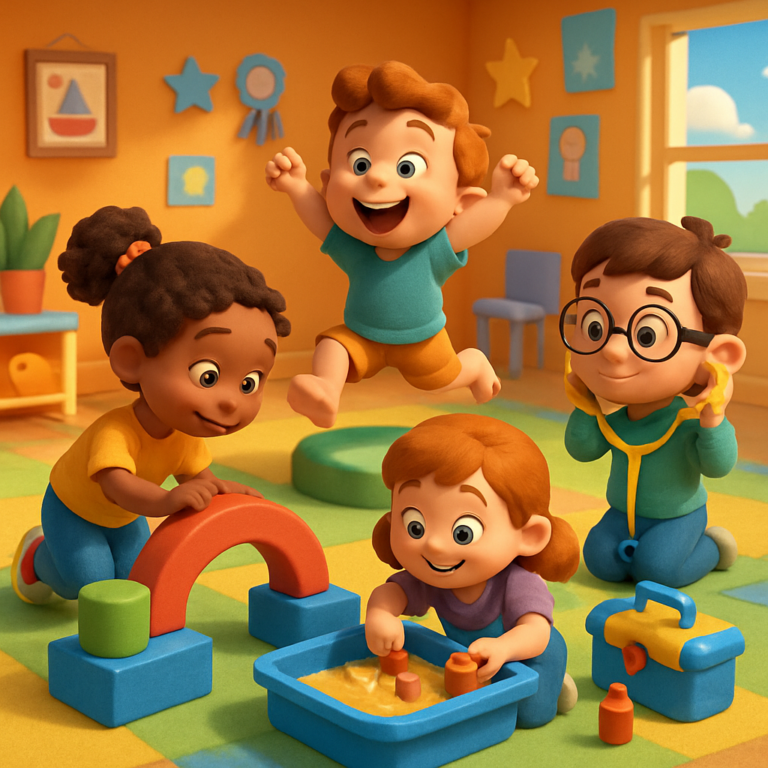 Why Play is the Best Medicine for Child Development?
In the world of pediatric therapy, play isn’t just fun—it’s essential. Children learn, grow, and develop vital skills…
Why Play is the Best Medicine for Child Development?
In the world of pediatric therapy, play isn’t just fun—it’s essential. Children learn, grow, and develop vital skills…
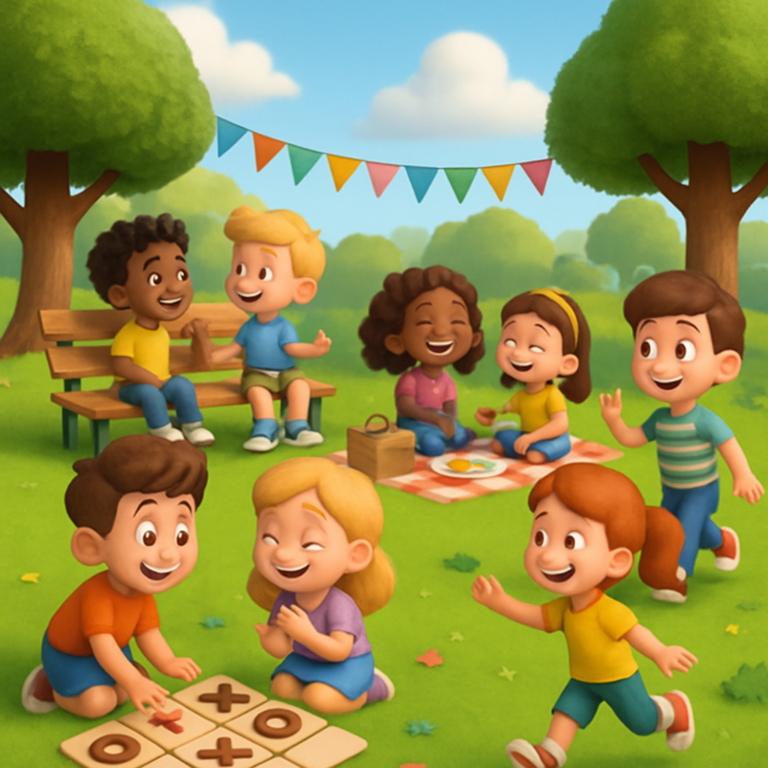 Is Social Anxiety Holding Your Child Back from Success?
Social anxiety can be a hidden barrier, especially for children trying to navigate friendships, school, and activities. Understanding…
Is Social Anxiety Holding Your Child Back from Success?
Social anxiety can be a hidden barrier, especially for children trying to navigate friendships, school, and activities. Understanding…
 Is Your Child Struggling with Fine Motor Skills? Let’s Play!
In today’s fast-paced world, many parents notice their children facing challenges with fine motor skills. These skills, essential…
Is Your Child Struggling with Fine Motor Skills? Let’s Play!
In today’s fast-paced world, many parents notice their children facing challenges with fine motor skills. These skills, essential…